5 Silent Signs Your Circulation Needs Attention
Circulation problems do not always announce themselves loudly. Discover five subtle signs that may indicate your body needs more attention, along with practical lifestyle habits inspired by Japanese wellness to help support healthy circulation and long-term wellbeing.

Most people do not think about circulation until a noticeable problem appears. However, the body often provides subtle clues long before that happens.
From your fingertips to your toes, the body depends on effective blood flow to support everyday activities and overall wellness. While occasional symptoms can have many causes, recognising potential signs of poor circulation may encourage people to pay closer attention to their lifestyle habits.
Here are five silent signs your circulation needs attention.
1. Frequently Cold Hands and Feet
Do your hands or feet often feel colder than the rest of your body?
While weather and temperature can play a role, persistent coldness may sometimes be one of the signs your circulation needs attention. Many people notice this more during colder months, but it can also occur indoors.
Paying attention to how often this happens may help you better understand your overall wellness.
2. Tingling or Numb Sensations
Occasional tingling can happen after sitting in one position for too long. However, if it becomes a regular occurrence, it may be worth discussing with a healthcare professional.
Many people describe this sensation as "pins and needles" in their hands, fingers, feet, or legs. While there can be several explanations, it is one symptom often associated with circulation-related discussions.
3. Feeling Tired More Often Than Usual
Fatigue can be linked to many factors, including sleep, stress, and lifestyle habits.
However, some people experiencing signs of poor circulation also report lower energy levels throughout the day. When the body is not functioning at its best, everyday tasks may feel more demanding than usual.
Maintaining healthy habits can play an important role in supporting long-term wellbeing.
4. Slow Recovery After Physical Activity
Most people expect some tiredness after exercise. However, if recovery consistently feels slower than expected, it may be worth reviewing overall lifestyle habits.
Regular movement supports healthy circulation, but recovery is equally important. Hydration, nutrition, sleep, and daily activity levels all contribute to how the body feels after exercise.
5. Changes in Skin Appearance
The skin can sometimes reflect what is happening elsewhere in the body.
Some individuals notice changes in skin tone, dryness, or overall appearance when discussing circulation-related concerns. Although these changes can have many causes, they are often included in conversations about maintaining healthy circulation.
Supporting Healthy Circulation Through Everyday Habits
The good news is that many circulation-friendly habits are simple to incorporate into daily life.
Consider:
-
Staying physically active
-
Taking regular walking breaks
-
Drinking enough water
-
Prioritising quality sleep
-
Managing stress levels
-
Eating a balanced and varied diet
Many people exploring Japanese wellness also become interested in traditional foods and lifestyle habits that have been part of Japanese culture for generations.
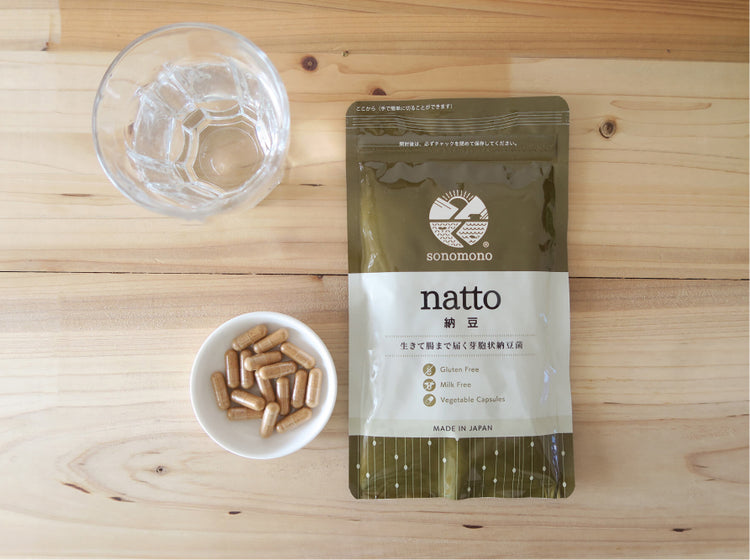
One example is Japanese natto, a fermented soybean food often discussed in conversations around traditional nutrition. Interest in natto benefits has increased as more people explore Japanese wellness practices and healthy ageing habits.
Some consumers researching the best nattokinase supplement also discover natto-inspired products while learning about traditional Japanese foods.
What Customers Are Saying
Many Sonomono customers originally discovered the product because they were interested in Japanese natto but found it difficult to eat regularly.
One customer shared:
"I wanted to eat natto every day because I knew it was good for me, but I couldn't keep up the habit. Since switching to the capsules, I've been able to stay consistent and I plan to continue using them."
Another long-term user explained:
"I started a regular subscription and before I knew it, three years had passed. It became part of my routine, and I intend to continue using it for a long time."
Convenience appears frequently throughout customer feedback:
"Eating natto every day is difficult, but the capsules are easy to take. I use them daily and even bring them with me when travelling."
Some customers have remained loyal users for many years:
"I've been using it for over five years now."
These reviews highlight a common theme: people are more likely to maintain wellness habits when they are simple, convenient, and easy to fit into everyday life. Whether someone is interested in Japanese wellness, natto benefits, or building healthier long-term routines, consistency often matters more than complexity.
Frequently Asked Questions
1. What are common signs of poor circulation?
Commonly discussed signs include cold hands and feet, tingling sensations, fatigue, and slower recovery after activity.
2. How can I support healthy circulation naturally?
Regular movement, hydration, balanced nutrition, and adequate sleep can all support overall wellbeing.
3. What is Japanese natto?
Japanese natto is a traditional fermented soybean food that has been enjoyed in Japan for generations.
4. Why are people interested in natto benefits?
Many people explore natto benefits because of natto's connection to traditional Japanese nutrition and wellness practices.
5. What should I look for in the best nattokinase supplement?
Consumers often compare ingredients, quality standards, and brand reputation when researching wellness products.