Can Natto Help Healthy Ageing? What the Research Says
Can Japanese natto support healthy ageing? This evidence-based guide explores the latest research on natto benefits, including its role in bone, heart and gut health. Learn how fermented soybeans fit into a balanced lifestyle, what scientists currently know, and why natto continues to attract attention as a traditional wellness food.

As interest in healthy ageing continues to grow, more people are looking at traditional foods that have stood the test of time. One food attracting attention is Japanese natto—a fermented soybean dish that has been eaten in Japan for centuries. Rich in nutrients and naturally fermented, natto has become a topic of research for its potential role in supporting long-term wellbeing.
Can natto help healthy ageing? Current research suggests it may. Thanks to its unique combination of Vitamin K2 (MK-7), nattokinase and beneficial compounds from fermented soybeans, natto has been associated with supporting bone, heart and gut health. However, more long-term human studies are needed before definitive conclusions can be made.
What is Japanese natto?
Japanese natto is made by fermenting soybeans with a beneficial bacterium called Bacillus subtilis. This process creates a sticky, distinctive food that is naturally rich in nutrients not commonly found together in other foods.
Natto contains Vitamin K2 MK-7, protein, fibre and nattokinase, making it one of the most nutrient-dense fermented foods available.
What does research say about natto?
Research into natto benefits has increased over the past decade. Studies suggest that regular consumption of natto may support several aspects of healthy ageing, although scientists continue to investigate exactly how these effects occur.
Current research has linked natto with potential support for:
-
Normal bone health
-
Cardiovascular wellbeing
-
Gut health through fermentation
-
A balanced, nutrient-rich diet
While these findings are encouraging, they should not be interpreted as proof that natto prevents disease or replaces medical treatment.
How might natto support healthy ageing?
Healthy ageing is influenced by many lifestyle factors, including diet, exercise and sleep. Natto may contribute because it naturally provides nutrients that work together.
Some of the reasons people include natto in their diet include:
-
A natural source of Vitamin K2 MK-7
-
Nutrients that may help maintain healthy bones
-
Fermented soybeans that support a varied diet
-
Nattokinase produced during fermentation
No single food can guarantee healthy ageing, but including nutrient-rich foods in a balanced diet may support long-term wellbeing.
What if you don't enjoy eating natto?
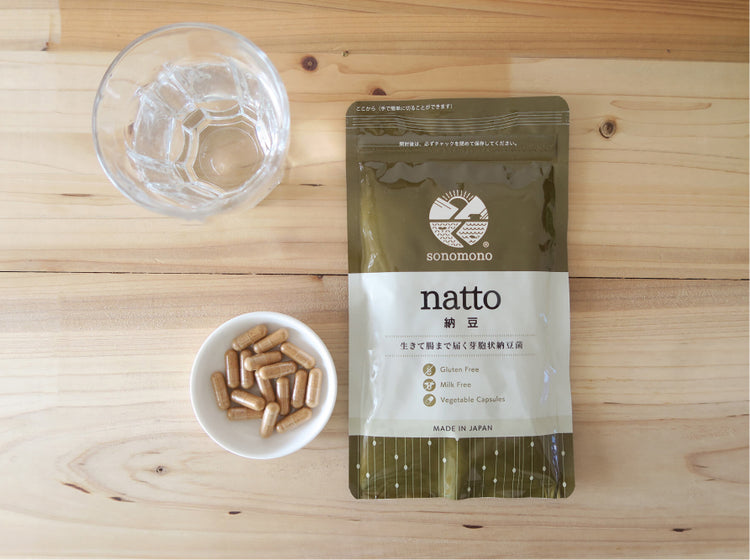
Although Japanese natto is highly nutritious, its flavour and texture are not for everyone. Some people prefer products made from fermented soybeans, including best nattokinase supplements, as a more convenient way to include natto-derived nutrients in their routine.
Supplements may offer convenience, but they should complement—not replace—a healthy, varied diet.
Who may benefit from natto?
Natto may be worth considering if you are interested in:
-
Supporting healthy ageing
-
Increasing your intake of fermented foods
-
Maintaining bone health
-
Supporting heart health as part of a balanced lifestyle
-
Exploring traditional Japanese foods
If you have a medical condition, take blood-thinning medication or are unsure whether natto is suitable for you, seek advice from a healthcare professional.
Conclusion
Current evidence suggests that natto benefits extend beyond basic nutrition, making Japanese natto an interesting food for people focused on healthy ageing. While research continues, adding naturally fermented foods to a balanced diet may help support overall wellbeing.
One Living Alpha customer shared:
"I've been taking three natto capsules a day. I used to have trouble with irregular bowel movements, but they've completely settled down. I can't say for sure that this is the sole cause, but since the good results have continued for over a year, I'd like to continue."
Their experience reflects why many people choose natto-based products as a convenient way to enjoy the nutrients naturally found in natto.
Frequently Asked Questions
1. Can natto help healthy ageing?
Research suggests natto may support healthy ageing because it contains Vitamin K2 MK-7, nattokinase and nutrients from fermented soybeans. While findings are promising, more long-term human studies are needed to fully understand its effects.
2. What are the main natto benefits?
Studies suggest natto benefits may include supporting normal bone health, cardiovascular wellbeing and gut health as part of a balanced diet. These potential benefits are still being researched.
3. Why is Japanese natto considered unique?
Japanese natto is produced by fermenting soybeans, creating a food naturally rich in Vitamin K2 MK-7 and nattokinase. This unique nutritional profile sets it apart from many other fermented foods.
4. Can I take supplements instead of eating natto?
Some people choose best nattokinase supplements or Vitamin K2 supplements if they don't enjoy natto. Supplements can be convenient but should support, not replace, a healthy and varied diet.
5. Is natto suitable for everyone?
Not always. People taking blood-thinning medication, preparing for surgery or managing certain medical conditions should speak with a healthcare professional before regularly consuming natto or nattokinase supplements.