Can Natto Help Support Strong Bones As You Age?
Japanese natto has been enjoyed for centuries, but its connection to vitamin K2 MK-7 is attracting new attention. Discover how this traditional fermented food fits into conversations about bone health, healthy ageing, and long-term wellbeing.

As we get older, many of us start paying more attention to our bones. Staying active, maintaining balance, and enjoying everyday activities often depend on having good bone health.
While calcium and vitamin D are frequently discussed, another traditional food is attracting growing interest: Japanese natto. Made from fermented soybeans, natto has been part of Japanese diets for centuries and is increasingly being explored as part of a healthy ageing lifestyle.
So, can natto play a role in supporting strong bones as we age?
What Is Natto?
Japanese natto is a traditional food created by fermenting soybeans with beneficial bacteria. Known for its sticky texture and distinctive flavour, natto remains a popular breakfast food in many parts of Japan.
In recent years, researchers and health-conscious consumers have become interested in the nutrients found in natto, particularly vitamin K2 MK-7, a naturally occurring form of vitamin K2.
This has helped increase awareness of both natto benefits and traditional Japanese wellness practices.
Why Bone Health Matters
Bones are living tissues that continuously change throughout our lives. As we age, maintaining bone strength becomes increasingly important for mobility, independence, and overall wellbeing.
A balanced diet, regular movement, and healthy lifestyle habits all contribute to long-term bone health.
This is one reason why foods associated with vitamin K2 benefits are receiving growing attention from people interested in healthy ageing.
The Connection Between Natto and Vitamin K2
One of natto's most interesting characteristics is that it naturally contains vitamin K2 MK-7.
Vitamin K2 has become a popular topic within nutrition discussions because of its role in supporting normal bone maintenance. As a result, many people researching vitamin K2 benefits often discover natto along the way.
Because natto is produced through fermentation, it offers a unique example of how traditional food preparation can influence nutritional composition.
Key Benefits of Exploring Natto
People interested in Japanese natto often appreciate several factors:
-
It is made from natural fermented soybeans.
-
It contains naturally occurring vitamin K2 MK-7.
-
It forms part of traditional Japanese food culture.
-
It is often discussed in relation to bone health and healthy ageing.
-
It supports interest in long-term wellness habits.
These qualities have helped natto gain recognition beyond Japan.
Practical Tips for Supporting Bone Health
Supporting your bones doesn't usually come down to one food alone. Consider these simple habits:
-
Stay physically active through regular movement.
-
Eat a balanced diet with a variety of nutrients.
-
Spend time outdoors when appropriate.
-
Prioritise long-term healthy habits.
-
Learn more about traditional foods such as natto.
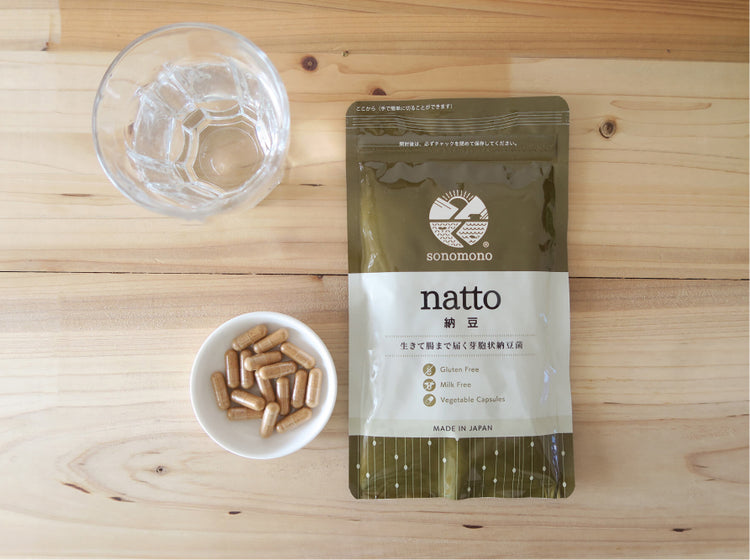
Some people who do not enjoy traditional natto also explore convenient natto-inspired products while researching the best nattokinase supplement or other Japanese wellness options.
What Customers Say
Many Sonomono customers first became interested in natto while learning about Japanese wellness traditions.
One long-term customer shared:
"I started using Sonomono Natto regularly, and before I knew it, three years had passed. Over time, it became my preferred choice, and I no longer felt the need to buy traditional natto separately. I plan to continue using it for years to come."
Another customer said:
"I found it difficult to eat natto regularly, so the capsules were a much easier option. Taking three capsules a day fits comfortably into my routine, and I've continued using them consistently."
These experiences show how consistency often plays an important role in maintaining wellness habits over time.
Conclusion
While no single food can guarantee strong bones, Japanese natto continues to attract attention because of its connection to vitamin K2 MK-7, traditional nutrition, and healthy ageing discussions.
Combined with an active lifestyle and balanced diet, learning about foods such as natto can be a useful part of a broader approach to bone health and long-term wellbeing.
Frequently Asked Questions
1. What is Japanese natto?
Japanese natto is a traditional food made by fermenting soybeans with beneficial bacteria.
2. Why is natto associated with bone health?
Natto naturally contains vitamin K2 MK-7, which is often discussed in relation to bone maintenance.
3. What is vitamin K2 MK-7?
Vitamin K2 MK-7 is a form of vitamin K2 found naturally in natto and certain fermented foods.
4. What are some commonly discussed natto benefits?
People often explore natto because of its long history in Japanese food culture and its unique nutritional profile.
5. Why do some people choose freeze-dried natto products instead of traditional natto?
Some people are interested in natto but may not enjoy its taste or texture. Products such as Sonomono offer a more convenient way to incorporate natto-inspired wellness into daily life.