Fermented Foods and Bone Health: Where Natto Fits In
From yogurt and kimchi to natto, fermented foods are gaining attention for their nutrient profile. Learn how natto fits into bone health discussions, and why realistic, long-term habits matter most.

Fermented foods have been part of traditional diets for centuries. Today, they are gaining renewed attention as people look for simple, food-based ways to support long-term health. One area where fermented foods are often discussed is bone health, especially in relation to nutrients involved in calcium management.
What Are Fermented Foods?
Fermented foods are created when natural microorganisms break down components of food over time. This process changes the food’s texture, flavour, and nutritional profile.
Common fermented foods include:
-
Yogurt
-
Kefir
-
Sauerkraut
-
Kimchi
-
Natto
Fermentation does not make a food “medicinal,” but it can influence how certain nutrients are formed and used by the body as part of normal nutrition.
Bone Health: More Than Just Calcium
Calcium is often the first nutrient people think of when it comes to bones. While calcium is important, it is only one part of a larger picture.
Bone health also relies on:
-
Proteins that help manage calcium
-
Vitamins that support normal bone processes
-
Long-term, consistent nutrition
This is why discussions around bone health increasingly include nutrients beyond calcium alone.
Why Fermented Foods Are Part of the Conversation
Fermented foods are often highlighted because they can contain nutrients that are less common in modern diets.
In traditional eating patterns, fermented foods were consumed regularly, not occasionally. This regular intake is one reason they are discussed in relation to long-term nutritional support rather than short-term effects.
Where Natto Fits In
Natto is a traditional fermented soybean food. It is widely known as a source of vitamin K2, particularly the MK-7 form.
Vitamin K2 is involved in activating certain proteins that play a role in how calcium is handled in the body as part of normal physiology. This makes natto nutritionally interesting when discussing bone-related nutrients.
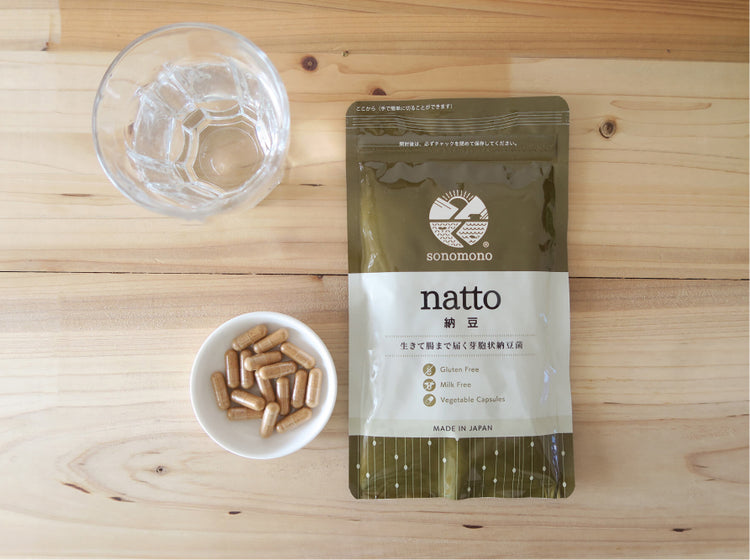
However, natto is also known for its strong taste and texture, which many people find difficult to eat regularly. This practical challenge often determines whether natto can realistically be part of someone’s routine.
Who Should Be Mindful
Vitamin K intake should remain consistent for individuals taking medications that manage blood clotting, such as warfarin. Sudden changes in intake may not be appropriate.
Anyone with such considerations should speak with a qualified healthcare professional before making dietary changes.
Conclusion: Natto’s Place in a Balanced Diet
Fermented foods continue to be valued for their role in traditional nutrition. Natto stands out due to its vitamin K2 content, which is relevant to discussions around bone health and calcium management.
Ultimately, the most effective approach is one that fits into daily life. A consistent, realistic routine is often more valuable than occasional or short-term efforts.