From Fermented Foods to Daily Routines: How to Build Sustainable Wellness Habits
Sustainable wellness isn't about doing more—it's about doing what you can maintain. Learn how fermented foods, Japanese natto, and simple daily habits can support a balanced, long-term approach to wellbeing.

When it comes to wellness, many people start with good intentions. A new diet, a fitness challenge, or a complicated routine may feel exciting at first, but it can be difficult to maintain over time.
That is why more people are moving away from quick fixes and focusing on habits they can realistically follow for years. Sustainable wellness is not about doing everything perfectly. It is about making small choices that fit naturally into everyday life.
One area gaining attention is the role of traditional foods, particularly fermented foods, in supporting long-term wellbeing.
Why Sustainable Habits Matter
Many wellness trends promise fast results, but long-lasting habits usually develop gradually.
Think about the routines that are easiest to maintain. Drinking enough water, taking a daily walk, getting quality sleep, and eating balanced meals may not sound exciting, but these simple actions often form the foundation of a healthy lifestyle.
The goal is not to create the perfect routine overnight. Instead, it is to build habits that feel realistic and manageable.
The Growing Interest in Fermented Foods
Traditional foods are becoming popular again because many people are looking for natural and practical ways to support their wellbeing.
Among the most discussed fermented foods are yogurt, kefir, kimchi, miso, and Japanese natto.
Unlike many modern food trends, these foods have been part of daily diets for generations. Their long history is one reason they continue to attract interest from people exploring sustainable wellness habits.
For many consumers, traditional foods feel more trustworthy than constantly changing health trends.
What Makes Japanese Natto Unique?
Among Japanese foods, natto often stands out because of its long cultural history.
Found in many Japanese households, natto is produced through a natural fermentation process that transforms soybeans into a distinctive food with a unique texture and appearance.
As awareness grows, conversations about natto benefits have become more common among people interested in nutrition, healthy aging, and traditional food cultures.
Natto is also frequently mentioned alongside other Japanese superfoods for longevity, reflecting the growing curiosity surrounding Japanese wellness practices.
Finding Wellness Habits That Fit Modern Life
Of course, not everyone wants to prepare traditional foods every day.
Busy schedules, travel, and family commitments can make it difficult to maintain certain dietary habits. This is why many people look for practical alternatives that fit their lifestyle.
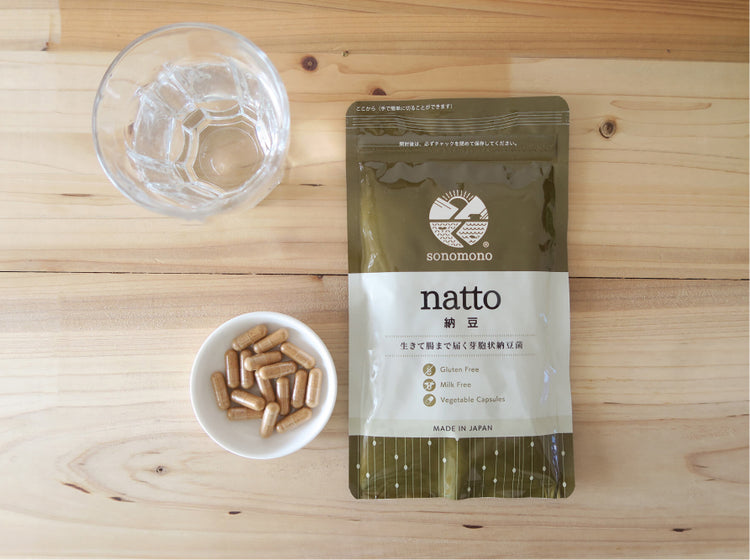
For example, some consumers choose a freeze-dried natto supplement as a convenient way to explore natto-inspired wellness. Others research nattokinase supplement UK products when looking for options connected to traditional Japanese nutrition.
The key is finding solutions that feel sustainable rather than overwhelming.
Practical Tips for Building Wellness Habits
If you want to create habits that last, start small:
-
Focus on consistency rather than perfection.
-
Include a variety of whole foods in your diet.
-
Explore traditional fermented foods when possible.
-
Stay physically active each day.
-
Prioritise sleep and recovery.
-
Choose routines that fit naturally into your schedule.
Small improvements often become powerful habits when repeated regularly.
Conclusion
Sustainable wellness is not built through dramatic changes. More often, it grows from simple routines that become part of everyday life.
Traditional foods such as Japanese natto continue attracting attention because they represent habits that have stood the test of time. Combined with movement, sleep, and balanced nutrition, they can inspire a more practical approach to wellbeing.
One Sonomono customer shared that they first became curious about natto after reading about Japanese food culture. They appreciated having a convenient option that fitted easily into their daily routine and said that consistency felt easier when the habit was simple.
That may be the biggest lesson of all: the best wellness habits are often the ones you can continue doing year after year.
Frequently Asked Questions
1. What are fermented foods?
Fermented foods are foods that have been transformed through natural fermentation processes. Common examples include yogurt, kimchi, miso, and natto.
2. What is Japanese natto?
Japanese natto is a traditional soybean-based food created through fermentation and commonly eaten in Japan.
3. Why are people interested in natto benefits?
Many people are curious about natto because of its long history in Japanese food culture and its connection to traditional wellness practices.
4. What is a freeze-dried natto supplement?
A freeze-dried natto supplement offers a convenient way to explore natto-inspired nutrition without preparing natto itself.
5. Are nattokinase supplement UK products available online?
Yes. Many wellness retailers and specialist supplement brands offer nattokinase-related products to UK consumers.