Gas, Bloating, or “Off” Digestion: Why It Happens + Routine Tips
Feeling gassy, bloated, or “off” after meals? This guide breaks down the most common reasons digestion can feel unsettled, like meal timing, fibre changes, stress, and hydration—and shares simple routine tips that help most people feel more comfortable day to day.

Digestive discomfort often arises unexpectedly. One day, digestion feels normal, and the next, you may experience gas, heaviness, or a general sense of unease after meals. Typically, these issues result from a combination of routine, timing, and gut environment rather than a single food or mistake.
The following guide explains common causes of gas and bloating and offers practical strategies to support digestive health.
Why gas and bloating happen (the real-life reasons)
Gas production is normal for everyone. Bloating becomes problematic when gas accumulates, digestion slows, or gut sensitivity increases. Common triggers include:
1) Eating fast (and swallowing more air than you realise)
Eating quickly, talking while eating, chewing less, or consuming carbonated drinks can increase air intake, leading to burping, pressure, and bloating.
2) Sudden changes in fibre intake (increase or decrease)
Fibre is beneficial, but rapid changes such as suddenly increasing salads, legumes, high-fibre cereals, or “gut health” foods can cause temporary gas as gut bacteria adjust.
Conversely, low fibre intake can slow digestion and contribute to constipation-related bloating.
3) Gut sensitivity + stress overlap
The gut and nervous system are closely connected. Stress can alter gut motility, increase sensitivity, and make normal gas feel more uncomfortable.
4) Low stomach acid or irregular meal structure
When meals are irregular, too large, or eaten late, digestion can feel sluggish. Some people also feel worse when they combine heavy meals with little movement afterwards.
5) Antibiotics, illness, travel, or disrupted sleep
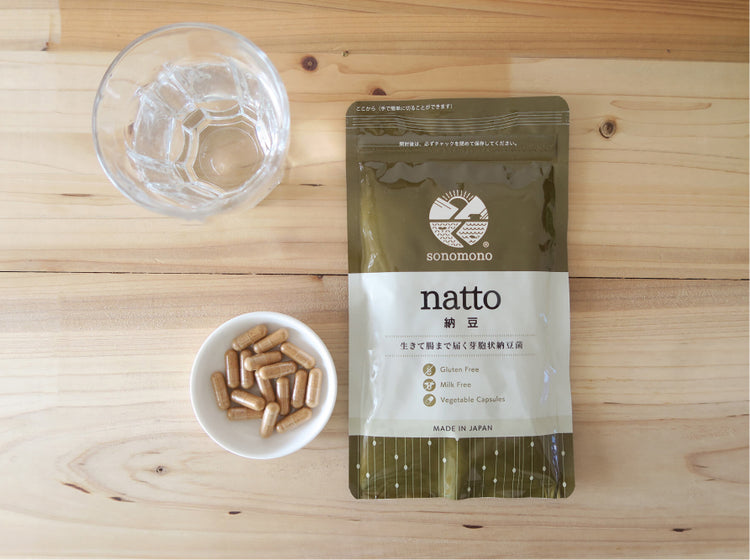
These factors can significantly impact digestion. Antibiotics and illness may alter the gut microbiome. During recovery, some people explore natto for gut health as part of a consistent routine to support microbial balance. Travel can disrupt meal timing and hydration, while poor sleep affects digestion and may increase cravings for processed, salty, or sugary foods that worsen bloating.
6) Food intolerances (sometimes subtle)
Lactose, high-FODMAP foods (such as onions, garlic, certain fruits, and wheat), or sugar alcohols (found in many “diet” snacks) can trigger gas and bloating in some individuals. Rather than self-diagnosing, observe patterns calmly.
Important note: If bloating is new and persistent, severe, or accompanied by weight loss, blood in stool, fever, vomiting, or significant pain, seek medical advice.
A Simple Digestive Reset Routine (3–7 Days)
At Living Alpha, we recommend realistic, sustainable routines. If your digestion feels off, consider trying the following steps for a few days and observe any changes.
1) Simplify meals (focus on ease, not restriction)
Choose meals that are easy on your gut:
- Warm, cooked foods (soups, stews, rice, oats, cooked vegetables)
- A clear protein + carb + cooked veg structure
- Avoid complex meals with many ingredients for a few days, as this can make it easier to identify potential triggers.
If you suspect a trigger food, reduce common culprits such as fizzy drinks, sugar alcohols, greasy meals, or large raw salads, rather than eliminating all foods.
2) Slow down your eating (small changes can have significant effects)
Try this for one meal a day:
- Sit down, no phone for the first 5 minutes
- Chew more than you normally do
- Put your fork down between bites.
These practices directly reduce swallowed air and support digestion.
3) Hydrate earlier, not only at night
Aim for consistent fluid intake throughout the day. Consuming most fluids in the evening can worsen reflux or bloating.
A practical goal is to have a glass of water upon waking, mid-morning, and mid-afternoon.
4) Take a 10–15 minute walk after meals
This is a reliable way to reduce bloating. Gentle movement supports gut motility. A walk is sufficient; a workout is not necessary.
5) Build a “same-time” anchor
Consistency supports digestion. Choose one meal or routine to keep at the same time each day, even during busy periods:
- Breakfast within the same 1–2 hour window
- A consistent lunch time
- Set a cut-off for heavy dinners, ideally 2–3 hours before bedtime when possible.
6) Support your gut with a consistent daily routine
When digestion is disrupted, consistent daily support is more effective than quick fixes, especially after antibiotics, periods of stress, or travel.
At Living Alpha, we view gut support as a daily practice that promotes long-term balance. Many people include fermented foods like natto or supplements in their routine, as fermentation can gently support the gut environment.
Quick Tips for Common Digestive Issues
If you’re bloated by evening:
- Eat slightly smaller dinners.
- Walk after lunch and dinner.
- Reduce fizzy drinks and sugar-free sweets for a week.
If bloating comes with constipation:
- Add warm fluids in the morning.
- Increase fibre intake gradually.
- Try cooked veggies instead of raw salads for a few days.
If you feel “off” after antibiotics or illness:
- Keep meals simple and consistent.
- Focus on sleep + hydration.
- Consider including fermented foods or supplements daily for a few weeks while your gut recovers.
If stress is the pattern:
- Eat at a table when you can
- Choose warm, easy meals.
- Add one calming cue daily (a short walk, breathing, a wind-down routine)
Frequently Asked Questions
1) Is gas always a sign that something is wrong?
No. Gas is normal. It becomes a concern if it is painful, frequent, or accompanied by bloating, reflux, or persistent changes in bowel habits.
2) Why do “healthy” foods sometimes cause bloating?
Often, these foods are high in fibre or fermentable carbohydrates. Rapid increases can cause gut bacteria to produce more gas. Gradual changes allow the gut to adapt.
3) What’s the fastest lifestyle change that helps with bloating?
A short walk after meals + eating slower. These two are underrated and work for many people.
4) When should I speak to a clinician?
If symptoms are severe, persist for several weeks, worsen, or include warning signs such as bleeding, unexplained weight loss, fever, vomiting, or significant pain.
A Note from Living Alpha
If your digestion feels off, there is no need to overhaul your entire diet immediately. Begin with simple routines: choose simpler meals, eat more slowly, hydrate earlier in the day, and incorporate gentle movement. Consistency is key, as the gut often responds best to steady support over time.