How Prebiotics Work: What They Do, Why They Matter & How Natto Supports Your Gut

Gut health plays a central role in how we feel every day. From digestion and energy to immunity and even mood, the balance of bacteria in the gut influences far more than many realise. While probiotics often receive the most attention, prebiotics are just as essential. They act as nourishment for your beneficial gut bacteria, helping them grow, stay active and support your overall wellbeing.
What Are Prebiotics?
Prebiotics are a type of dietary fibre that your body cannot digest. Instead of being broken down in the stomach, they travel to the large intestine, where they serve as a food source for beneficial gut bacteria.
By feeding these helpful bacteria, prebiotics support:
- Smoother digestion
- Reduced bloating
- Better nutrient absorption
- Stronger immune function
- Balanced energy levels
Natural prebiotic foods include oats, bananas, garlic, onions, lentils and fermented foods like natto.
How Prebiotics Work Inside Your Gut
Your gut contains billions of bacteria some are helpful; some are less so. Prebiotics help create a healthier environment by promoting the growth of beneficial bacteria.
Here’s what happens when you consume prebiotics:

Since around 70% of the immune system is based in the gut, feeding your gut bacteria plays a direct role in immunity.
Without enough prebiotics, the gut can become imbalanced, which may lead to digestive issues and low vitality.
Why Prebiotics Matter in Modern UK Lifestyles
Many people nowadays consume less fibre than recommended. Busy schedules, processed foods, stress and lack of sleep all place additional strain on the gut. As a result, prebiotics have become increasingly important for supporting:
- Digestive comfort
- Winter immunity
- Balanced energy
- Regular bowel movements
- Overall gut resilience
Adding prebiotics to your routine is one of the simplest ways to support long-term gut health.
How Natto Naturally Supports Your Gut
Natto is a traditional Japanese food made from fermented soybeans. It is well known for its gut-supporting benefits due to its natural fibre content and fermentation process.
Here’s why natto stands out:
✔ Rich in natural prebiotic fibre
It feeds beneficial bacteria, supporting a diverse microbiome.
✔ Easy on digestion
Fermentation makes nutrients more available and gentler on the gut.
✔ Contains vitamin K2 (MK-7)
A nutrient linked to heart, bone and immune health rare in Western diets.
✔ Supports SCFA production
This contributes to gut repair and overall digestive comfort.
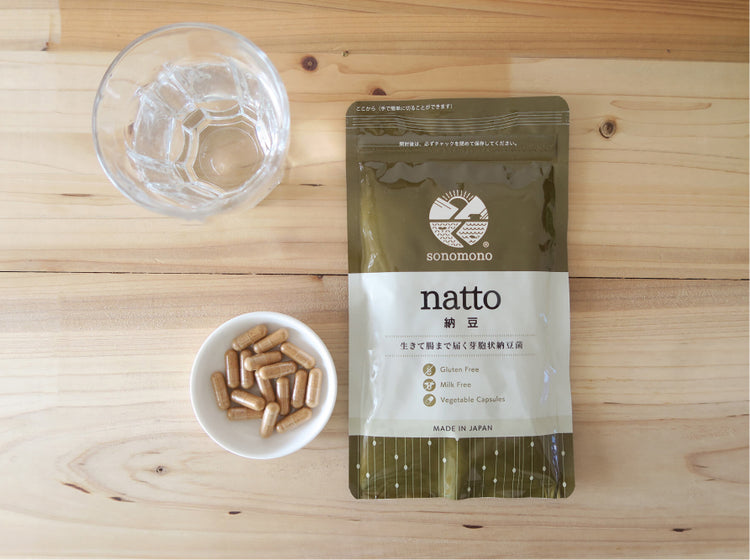
For those who may not enjoy the strong flavour or texture of natto, natto-based supplements offer a convenient, accessible alternative.
How to Add Prebiotics Into Your Daily Routine
- Include prebiotic-rich foods such as oats, bananas and onions.
- Drink enough water to support fibre movement.
- Combine prebiotics with probiotics for best results.
- Use supplements for consistent daily intake during busy periods.
Conclusion
Prebiotics are essential for supporting a healthy, balanced gut. They nourish beneficial bacteria, improve digestion and play an important role in immunity. Natto, a naturally fermented Japanese food, offers one of the most effective sources of prebiotic support, making it a valuable addition to a modern, gut-friendly lifestyle.