Is Natto Good for Circulation? The Simple Truth About Nattokinase, Blood Flow, and Daily Heart Support
Natto is often linked to circulation because it naturally produces nattokinase during fermentation, an enzyme studied for blood flow and clotting-related markers. But the evidence so far points to modest signals (especially for blood pressure), not miracle results, and real-life circulation still comes down to daily habits like movement, fibre, sleep, and BP management. This article explains what “circulation” really means, how natto differs from nattokinase supplements, and why anyone on warfarin or other blood thinners should take a clinician-guided approach.

Natto is a traditional Japanese fermented soybean food. It’s often discussed in “circulation” conversations for one main reason: during fermentation, natto naturally produces nattokinase, an enzyme that researchers have studied for its potential effects on markers linked to blood flow and cardiovascular risk.
But here’s the simple truth: nattokinase is promising in research, not a miracle, and “better circulation” in real life still comes down to steady daily habits (movement, blood pressure, sleep, fibre, and not smoking).
What “circulation” actually means (in plain English)
When people say “circulation,” they usually mean one (or more) of these:
- Blood pressure (how hard blood pushes against artery walls)
- Blood flow (how easily blood moves through vessels)
- Clotting balance (the body’s normal ability to form and break down clots)
- Artery health (long-term vessel flexibility and function)
Natto gets attention because nattokinase is studied in the “clotting balance / blood flow marker” space.
What is Nattokinase, and why is it linked with blood flow?
Nattokinase is an enzyme created during natto fermentation. In lab research, it’s described as having fibrinolytic activity meaning it’s studied for how it may influence pathways involved in breaking down fibrin (a protein involved in clot formation).
That sounds intense, but the practical takeaway is: nattokinase is researched for potential support of circulation-related markers, not for “instantly thinning your blood.”
What the research suggests
Human research does not prove nattokinase “prevents clots” or “treats heart disease.” What it does suggest, so far, is more modest:
- A 2023 systematic review/meta-analysis reported that nattokinase supplementation was associated with small reductions in systolic and diastolic blood pressure, while effects on lipids and glucose were not clearly significant overall.
- An earlier randomized trial (2008) also reported reductions in blood pressure after nattokinase supplementation over several weeks.
So if someone’s hoping for a realistic benefit based on current evidence, blood pressure support is the most defensible “signal.” Even then, the average changes are modest, more “supportive” than “transformational.”
Natto food vs Nattokinase supplements: not the same thing
This is where confusion happens.
- Natto (food) is the whole fermented food, with multiple compounds.
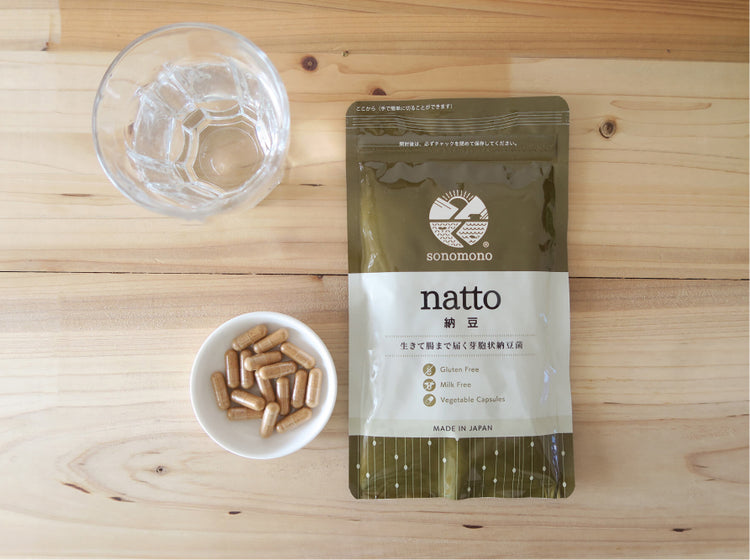
- Nattokinase supplements are usually aiming to deliver a more standardised amount of a single enzyme.
They aren’t interchangeable, and results can vary depending on dose, product quality, and the person.
The daily heart-support basics that matter more than any single food
If your goal is “better circulation,” these habits routinely outperform any single ingredient:
- Regular walking (even 20–30 minutes most days)
- Blood pressure management (salt awareness, weight stability, stress control)
- Enough fibre (helps cholesterol and overall metabolic health)
- Sleep consistency
- Strength training (supports metabolic and vascular health over time)
Natto can sit inside that lifestyle, but it can’t replace it.
Who should be cautious (this is important)
Because nattokinase is discussed in clotting pathways, and because natto contains vitamin K certain people should not experiment casually:
- If you take warfarin, NHS guidance emphasises keeping vitamin K intake stable and speaking to a clinician before major dietary changes.
- If you take anticoagulants or antiplatelet medicines, have a bleeding disorder, or have upcoming surgery/dental procedures, talk to a clinician before using natto-based products or enzyme supplements.
Bottom line
Natto is linked with circulation mainly because of nattokinase, and research suggests a modest blood pressure support signal in some studies.
But it’s not a shortcut: “daily heart support” still comes from consistent lifestyle basics, and if you’re on blood-thinning medication (especially warfarin), you should treat natto/nattokinase as a clinician-guided decision, not a wellness experiment.