Mental Health Awareness Week: Why More People Are Finally Prioritising Rest
Modern life has made burnout, stress, and exhaustion feel normal for many people across the UK. During Mental Health Awareness Week, more adults are recognising that proper rest, recovery, and emotional balance are essential parts of long-term wellbeing.
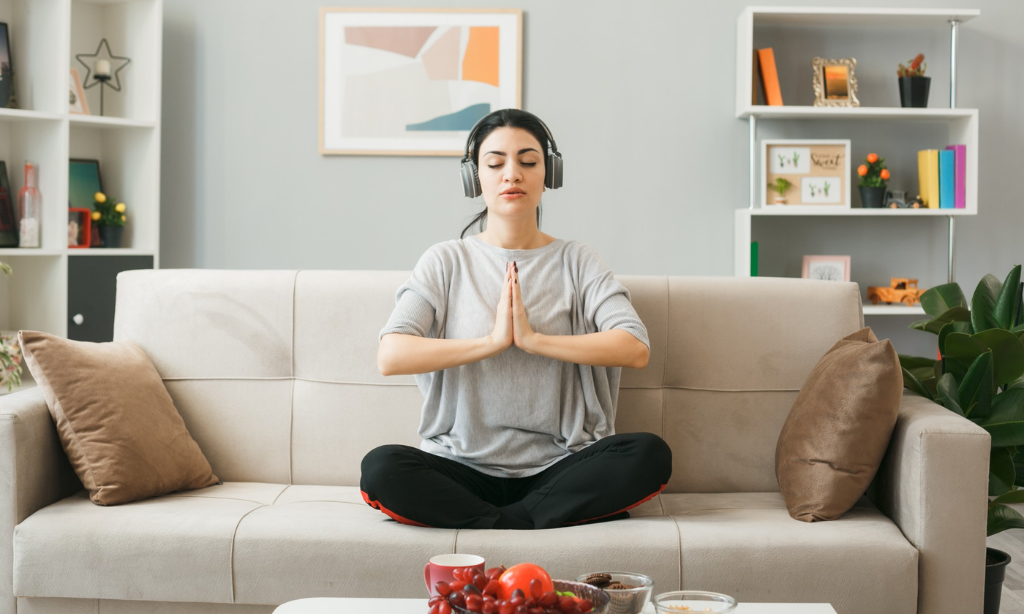
For a long time, being “busy” was almost seen as a good thing. People pushed through stress, skipped breaks, stayed up late, and carried on as if exhaustion was completely normal. But lately, that mindset has started to change.
During Mental Health Awareness Week, more people across the UK are openly talking about burnout, stress, and the need for proper rest. Whether it’s struggling to sleep, feeling mentally drained, or simply never getting time to switch off, many adults are realizing that nonstop pressure eventually catches up with you.
That’s why rest is slowly becoming less of a luxury and more of a real wellness priority.
Why Everyone Feels Constantly Tired
Modern life rarely slows down. Most people wake up and immediately check their phones. Work messages continue after office hours, social media never stops, and even relaxing often involves staring at another screen.
The result? A lot of people feel mentally exhausted even when they haven’t done anything physically demanding.
Stress can build quietly over time. Sometimes it shows up as poor sleep or low motivation. Other times it feels like brain fog, irritability, or simply feeling overwhelmed by small tasks.
Many people are now recognising that mental wellbeing needs regular care just like physical health does.
Rest Is More Than Just Sleep
When people hear the word “rest”, they usually think about sleep. But proper recovery is much bigger than that.
Rest can also mean:
-
Taking breaks during the day
-
Spending time away from screens
-
Saying no to overworking
-
Slowing down mentally
-
Making time for hobbies or quiet moments
Even small changes can make daily life feel more manageable.
More wellness conversations are now focusing on balance instead of constant productivity. People want routines that actually feel sustainable long term.
The Rise of Everyday Wellness Habits
Another noticeable shift is how people approach self-care. Instead of extreme routines, many now prefer simple habits that realistically fit into busy schedules.
Things like:
-
Better sleep routines
-
Walking more
-
Drinking enough water
-
Mindfulness practices
-
Less screen time before bed
are becoming part of everyday wellness conversations.
At the same time, wellness-focused brands like Living Alpha are becoming more popular among people looking for practical ways to support balance and recovery as part of modern lifestyles.
Why Burnout Conversations Matter
One positive thing about Mental Health Awareness Week is that it encourages more honest conversations. A few years ago, many people avoided discussing stress or emotional exhaustion openly.
Now, more adults are recognising that constantly running on low energy is not healthy or sustainable.
Rest is no longer being viewed as “doing nothing.” Instead, it’s becoming part of maintaining overall wellbeing.
And honestly, sometimes the healthiest thing someone can do is slow down for a while.
Simple Ways to Prioritise Rest
You don’t need a perfect routine to improve recovery and wellbeing. Small habits often help more than people expect.
A few realistic ideas include:
-
Putting phones away earlier at night
-
Taking short breaks during work
-
Getting outside more often
-
Creating a consistent bedtime routine
-
Reducing unnecessary stress where possible
The goal is not perfection. It’s simply creating a lifestyle that feels healthier and more balanced over time.
Final Thoughts
The growing focus on rest during Mental Health Awareness Week reflects a bigger change in how people think about wellness. More adults are realising that burnout should not be treated as normal.
Mental wellbeing, recovery, and emotional balance deserve proper attention too.
Sometimes improving wellness starts with something very simple: slowing down, resting properly, and giving yourself time to recharge.