Natto vs Kimchi vs Kefir: Which Fermented Food is Best for Your Gut?
Natto, kimchi, and kefir are popular fermented foods that support gut health through probiotics. Learn how they differ and which option fits your routine.

Fermented foods have become an essential part of gut-health-focused diets because they naturally contain probiotics, beneficial bacteria that support digestion, immunity, and overall wellness. Among the most popular options, natto, kimchi, and kefir stand out due to their unique nutritional profiles and powerful health benefits. Understanding how they differ can help you choose the best fermented food for your needs.
Natto: The Benefits Go Far Beyond the Gut
What is Natto? It is a traditional Japanese fermented soybean dish made using Bacillus subtilis bacteria. It has a sticky texture, strong aroma, and a distinctive flavour that may take time to get used to. Despite this, natto is widely considered one of the most nutrient-dense fermented foods.
When discussing the benefits natto offers, its probiotic content plays a major role in improving gut balance and digestion. Natto is also rich in protein, fibre, vitamin K2, and an enzyme called nattokinase, which is linked to heart health.
Natto Food Benefits
Here’s why natto steals the spotlight among fermented foods:
-
Supports gut health by introducing beneficial bacteria
-
Helps improve digestion and reduce bloating
-
High vitamin K2 content supports bone strength.
-
Nattokinase may support healthy blood circulation.
- Plant-based protein supports muscle maintenance.
Due to these natto food benefits, natto is often recommended for individuals focused on long-term metabolic health, heart health, and gut microbiome diversity.
Kimchi: Flavourful, Fibre-Rich, and Good for Your Microbiome
Kimchi is a traditional Korean fermented vegetable dish typically made from cabbage, radish, garlic, ginger, and chilli peppers. It is known for its tangy, spicy flavour and diverse probiotic strains.
Kimchi supports gut health through lactic acid bacteria, which can help improve digestion and immune function. It is also low in calories while being rich in fibre, antioxidants, and vitamins A and C.
Kefir: Diverse Probiotics in Every Sip
Kefir is a fermented milk drink produced using kefir grains that contain bacteria and yeast. It has a drinkable yogurt-like texture and is considered one of the most potent probiotic foods because of its wide range of microbial strains.
Kefir is especially helpful for people looking to support digestion, lactose tolerance, and overall gut balance. It also provides calcium, protein, and B vitamins.
Comparison: Natto vs Kimchi vs Kefir
Each fermented food supports gut health, but they serve slightly different purposes.
Natto is best for nutrient density, vitamin K2, and heart health support. Kimchi is ideal for fibre, antioxidants, and daily digestive support. Kefir stands out for probiotic diversity and ease of consumption, especially for beginners.
Taste and accessibility also matter. Natto has the strongest flavour and texture, kimchi is more familiar to many people, and kefir is usually the easiest option to add to a routine.
Which One is Best for Your Gut?
There is no single “best” fermented food because gut health benefits from diversity. Including multiple fermented foods can support a wider range of beneficial bacteria.
If your priority is long-term health and nutrient density, natto is a powerful option due to its unique enzyme profile and the strong benefits it provides. If you want a daily vegetable-based probiotic, kimchi works well. If you prefer something simple and beginner-friendly, kefir is often the easiest starting point.
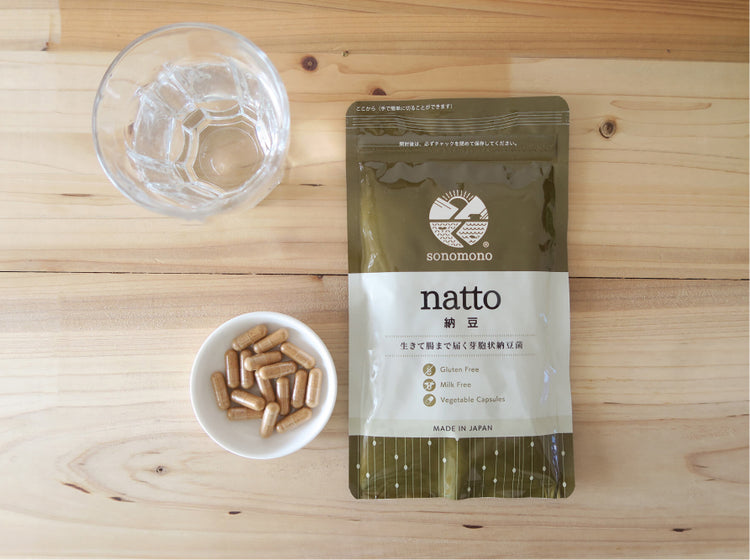
Explore sonomono™ Natto Powder Capsules.