Natto vs Yogurt: Which Fermented Food Is Better For Gut Health?
When comparing natto vs yogurt, both fermented foods offer unique benefits. Learn how Japanese natto, yogurt, and other fermented foods fit into a balanced approach to gut health, digestive wellbeing, and healthy daily habits.

When it comes to taking care of our gut health people often talk about fermented foods. Two of the most popular options are yogurt and Japanese natto. Both have long histories in traditional diets and are frequently discussed in conversations about digestion and wellbeing.
But when comparing natto vs yogurt, is one actually better than the other? The answer may depend on your preferences, dietary habits, and overall lifestyle. Rather than viewing them as competitors, it can be helpful to understand what makes each food unique.
What Makes Fermented Foods Special?
Fermented foods are created through natural processes involving beneficial microorganisms. For centuries, cultures around the world have used fermentation to preserve food and develop distinctive flavours.
Today, fermented foods continue to attract attention because of their connection to gut health and traditional eating patterns. Fermentation is used in many traditional cuisines, creating foods that vary greatly in flavour, ingredients, and preparation methods
Understanding Yogurt
Yogurt is one of the most widely consumed fermented foods in the UK. Made from fermented milk, it is convenient, widely available, and easy to include in everyday meals.
Many people enjoy yogurt as part of breakfast, snacks, or desserts. Its popularity has made it one of the most familiar fermented foods for those interested in gut health and balanced nutrition.
One advantage of yogurt is its versatility. It can be paired with fruit, oats, nuts, and other healthy foods as part of a varied diet.
Understanding Japanese Natto
For generations, Japanese natto has been enjoyed in Japan as a fermented soybean food. It has been enjoyed in Japan for generations and remains a common part of many Japanese diets.
Unlike yogurt, natto has a distinctive texture and flavour that can take time to appreciate. However, it continues to attract attention because of its role in traditional Japanese wellness practices.
Many discussions around natto benefits focus on its place within long-established dietary habits and its connection to fermented food culture.
Key Benefits of Both Foods
When comparing natto vs yogurt, both foods offer unique advantages:
Yogurt
-
Easy to find in most supermarkets.
-
Familiar taste and texture.
-
Simple to include in daily meals.
Japanese Natto
-
Made from fermented soybeans.
-
Long history in Japanese food culture.
-
Frequently discussed in conversations about traditional wellness.
Rather than choosing one over the other, many people enjoy a variety of fermented foods as part of a balanced eating pattern.
Practical Tips for Supporting Gut Health
If you are interested in improving your overall wellbeing, consider these habits:
Explore different traditional foods that have been prepared using fermentation techniques.
-
Eat plenty of fibre-rich fruits and vegetables.
-
Stay hydrated throughout the day.
-
Maintain regular physical activity.
-
Focus on long-term consistency rather than quick fixes.
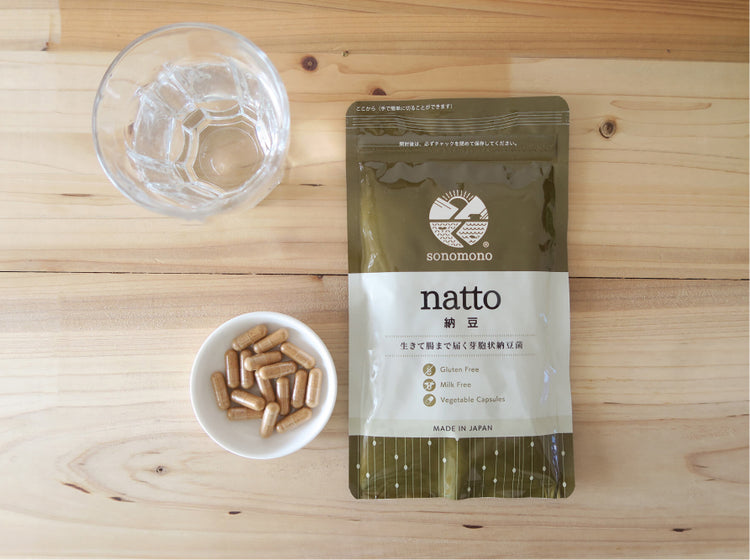
Some people who become interested in natto also explore products connected to traditional Japanese wellness and compare options when researching the best nattokinase supplements.
What Customers Say
One Sonomono customer shared:
"The capsules are small and easy to swallow. The smell is not noticeable at all, which is great. I have never had any problems with constipation or other bowel movements."
Another customer said:
"Eating natto every day can be difficult, so I like having a convenient alternative. I take three capsules daily and plan to continue making them part of my routine."
These experiences highlight how sustainable wellness habits are often the ones that fit naturally into everyday life.
Frequently Asked Questions
1. What is the difference between natto and yogurt?
Natto is made from fermented soybeans, while yogurt is produced by fermenting milk.
2. Which is better for gut health: natto or yogurt?
Both are fermented foods and can be included as part of a balanced diet that supports overall wellbeing.
3. Can fermented foods support digestive health?
Fermented foods are commonly included in discussions about gut health and digestive wellbeing.
4. How can I improve my gut health naturally?
Eating a varied diet, staying active, managing stress, staying hydrated, and including fermented foods may help support a healthy lifestyle.