Nattokinase and Cardiovascular Health: What the Research Actually Says
Nattokinase is often linked to cardiovascular health and circulation, but what does the research actually show? This simple UK guide explains the evidence, how it works, and what to realistically expect—without the hype. A clear overview to help you understand if it fits your routine.

If you’ve been looking into ways to support your heart, you’ve probably seen nattokinase mentioned here and there. It often comes up in discussions about circulation or natural approaches to cardiovascular health.
But once you start reading, it can get a bit confusing. Some sources make it sound like a breakthrough, others are more cautious. So what’s actually going on?
First, what is it exactly?
Nattokinase isn’t something new or synthetic. It comes from natto—a traditional Japanese fermented food made from soybeans.
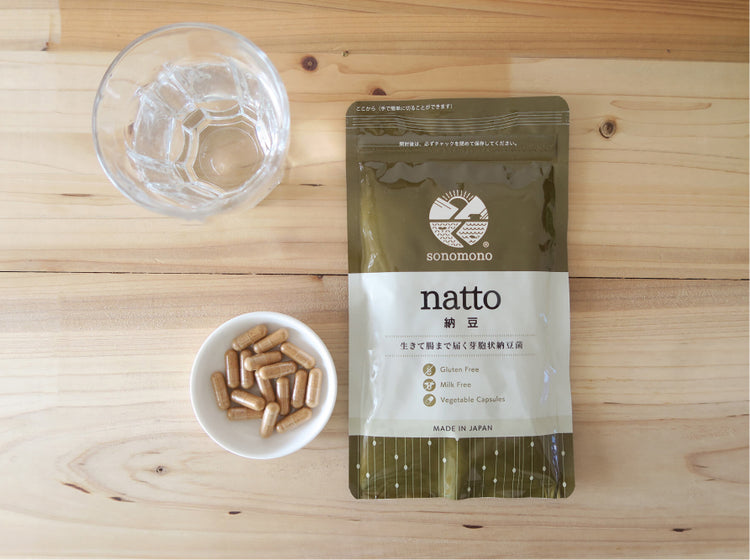
During fermentation, a natural enzyme forms, and that’s what people now extract and sell as a supplement. Since natto isn’t exactly a common part of a UK diet, most people come across it in capsule form instead.
That’s why you’ll often see it labelled as nattokinase UK in online shops.
Why is it linked to heart health?
Most of the interest comes down to circulation.
Some early studies suggest nattokinase may play a role in how the body manages blood flow. You’ll sometimes see it mentioned in connection with blood pressure or general heart function, although it’s not always explained very clearly.
The key thing to understand is that it’s not acting like a medication. It’s more about supporting certain natural processes in the body.
So, what does research actually say?
This is where expectations need to be realistic.
There are studies that suggest nattokinase might have a positive effect on things like blood pressure or markers linked to circulation. Some research has also looked at how it interacts with proteins involved in clotting.
But—and this is important—many of these studies are relatively small. They don’t always run for long periods, and results can vary.
So while the findings are interesting, they’re not strong enough to treat nattokinase as a proven solution.
Where people sometimes get it wrong
It’s easy to read a few headlines and assume something is more powerful than it really is.
Nattokinase isn’t a replacement for medical care. If someone has an existing heart condition, proper treatment should always come first. Supplements like this are usually considered alongside lifestyle changes, not instead of them.
What about just eating natto?
That’s actually a good question.
Natto, as a whole food, offers more than just the enzyme. It also contains things like vitamin K2 and beneficial bacteria, which may support overall health in different ways.
The downside? It’s not exactly popular in the UK. The taste and texture are quite strong, so most people don’t stick with it.
That’s one reason supplements have become more common.
Is it safe?
For most people, it’s generally well tolerated when used properly.
That said, it’s not something to take casually if you’re on blood-thinning medication or have certain health conditions. In those situations, it’s better to check first rather than assume it’s fine.
A more grounded way to look at it
If there’s one takeaway, it’s this: nattokinase might be helpful, but it’s not a magic fix.
Heart health is still mainly about the basics—what you eat, how active you are, and how consistent your routine is. Supplements can sit alongside that, but they don’t replace it.
FAQs
1. What is nattokinase mainly used for?
It’s usually taken to support circulation and general cardiovascular health.
2. Can I find nattokinase easily in the UK?
Yes, there are plenty of nattokinase UK products available online and in health shops.
3. Is the research strong?
There’s some promising evidence, but it’s still limited and not fully conclusive.
4. Is natto better than supplements?
Natto provides a wider range of nutrients, but supplements are more convenient.
5. Can I take it every day?
Some people do, but it’s best to follow guidance and check if you have any medical concerns.