Nattokinase Side Effects: What You Should Know Before Taking It
Thinking about taking nattokinase? Before adding it to your daily routine, it's important to understand the possible side effects, who should avoid it, and what current research says. This guide explains nattokinase side effects, safety considerations, and practical tips for choosing a quality supplement, helping you make an informed decision with confidence.

Nattokinase has become very popular among people who want to be healthy and take care of their hearts. It comes from a food called natto, which is made from fermented soybeans. This natural enzyme is supposed to have some health benefits.. Before you start taking any new supplement you should know what it can do and what might happen if you take it.
If you are wondering about nattokinase side effects that is a question. Like any supplement, nattokinase is not for everyone. You should know when to talk to a doctor so you can make a choice.
The short answer is that nattokinase is usually okay for adults to take. But it can affect how your blood clots so some people should not take it. If you are taking medicine to thin your blood or if you are going to have surgery you should talk to a doctor before taking nattokinase.
What is nattokinase?
Nattokinase is a natural enzyme produced during the fermentation of soybeans into Japanese natto. This traditional Japanese food is also a rich source of Vitamin K2 (MK-7), making it popular among people looking to support bone health and overall wellbeing.
While many people choose nattokinase as part of a healthy lifestyle, it's important to remember that supplements should complement a balanced diet rather than replace it.
What are the possible nattokinase side effects?
For most healthy adults, nattokinase appears to be well tolerated. Reported side effects are generally uncommon and may include mild digestive discomfort or stomach upset in some individuals.
Because research is still developing, scientists continue to study its long-term safety. Current evidence has not identified common serious side effects when taken appropriately, but this doesn't mean the supplement is suitable for everyone.
Who should avoid nattokinase?
Some people should be careful before taking nattokinase. You should talk to a doctor if:
-
You take medicine to thin your blood.
-
You have a bleeding disorder.
-
You are going to have surgery or go to the dentist.
-
You are pregnant or breastfeeding.
-
You have a health problem. Take other medicines.
A healthcare professional can advise whether nattokinase is appropriate based on your personal circumstances.
What does the research say?
Research into nattokinase continues to grow. Studies suggest it may support aspects of cardiovascular wellness, but more high-quality clinical research is needed to fully understand its long-term effects and safety.
Some of the reported nattokinase benefits have attracted scientific interest, but it's important to distinguish between early findings and well-established evidence. Current research should not be interpreted as proof that nattokinase prevents or treats disease.
How can you choose a quality nattokinase supplement?
Not all supplements are produced to the same standard. If you're comparing products, consider the following:
-
Transparent ingredient list – Helps you know exactly what you're taking.
-
Trusted manufacturer – Shows the product is made using recognised quality standards.
-
Clear dosage information – Makes it easier to follow the recommended daily serving.
-
Independent quality testing or certifications – Gives greater confidence in the product's quality and consistency.
Some people also compare the best nattokinase supplements alongside products containing Vitamin K2 (MK-7), particularly if they're interested in nutrients naturally found in natto.
Conclusion
Understanding nattokinase side effects is about making informed choices, not avoiding the supplement altogether. While research suggests nattokinase is generally well tolerated by healthy adults, it may not be suitable for everyone. Choosing a quality supplement and speaking with a healthcare professional when needed can help you make the right decision.
One Living Alpha customer shared:
"I was looking for a substitute for natto and came across this product because I couldn't eat natto. Although it's a little expensive, I feel it's worth it because I no longer need several other supplements. It's now an indispensable part of my daily routine."
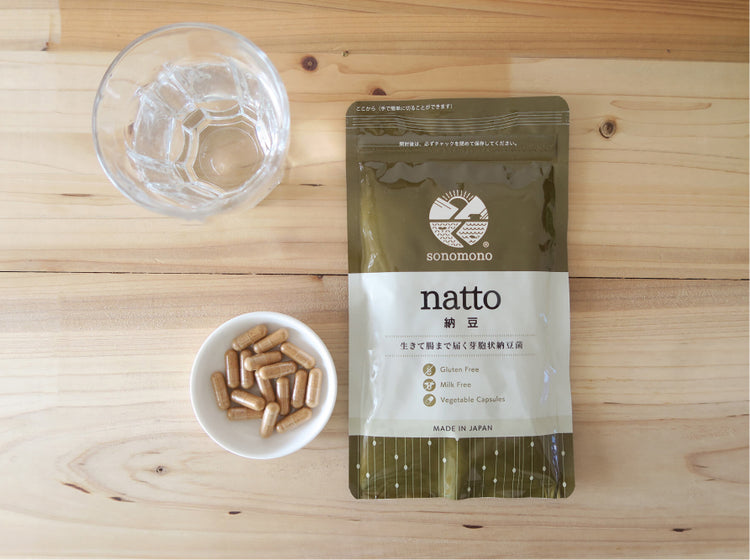
Their experience highlights that, for some people, natto capsules offer a convenient way to enjoy the nutritional benefits of Japanese natto without needing to eat the traditional food every day.
Frequently Asked Questions
1. What are the most common nattokinase side effects?
Most people tolerate nattokinase well. When side effects are reported, they are usually mild and may include digestive discomfort. Research into long-term safety is still ongoing.
2. Is nattokinase safe to take every day?
Studies suggest nattokinase may be suitable for daily use for many healthy adults when taken as directed. However, anyone with an underlying medical condition or taking prescription medicines should consult a healthcare professional first.
3. Who should not take nattokinase?
People taking blood thinners, those with bleeding disorders, individuals preparing for surgery, and anyone who is pregnant or breastfeeding should seek medical advice before taking nattokinase.
4. Does Japanese natto naturally contain nattokinase?
Yes. Japanese natto, made from fermented soybeans, naturally contains nattokinase as well as Vitamin K2 (MK-7), making it a unique traditional food.
5. How do I choose the best nattokinase supplements?
Look for reputable manufacturers, transparent ingredient lists, clear dosage guidance and recognised quality standards. Choosing products from trusted brands can help you feel more confident about supplement quality.