Nattokinase vs Aspirin: Which Is Better for Blood Clots?
Confused between aspirin and japanese nattokinase? This simple guide explains nattokinase benefits, key differences, and how UK nattokinase capsules UK support blood flow.

When it comes to blood clots and heart health, most people immediately think of aspirin. It’s commonly used and often recommended in certain situations. But in recent years, more people have started looking into natural options like Japanese nattokinase.
So, which one is actually better?
The honest answer is—it depends on your goal. Let’s break it down in a simple and practical way.
What Does Aspirin Do?
Aspirin is a well-known medicine that helps reduce the risk of blood clots. It helps reduce the chances of clots forming by making blood cells less likely to clump together. This is important because clots can block blood flow and lead to serious issues like heart attacks or strokes.
Because of this, aspirin is often prescribed for people who already have heart-related risks.
However, it’s not something everyone should take daily without guidance. Some people may experience:
-
Stomach irritation
-
Increased risk of bleeding
-
Long-term side effects if misused
That’s why aspirin is usually taken under medical advice.
What Is Japanese Nattokinase?
Nattokinase is a natural enzyme that comes from natto, a traditional Japanese fermented soybean food.
Instead of preventing platelets like aspirin, nattokinase works differently. It helps the body break down fibrin, a protein involved in blood clot formation.
This is one of the main nattokinase benefits that people are interested in today—supporting healthy blood flow in a more natural way.
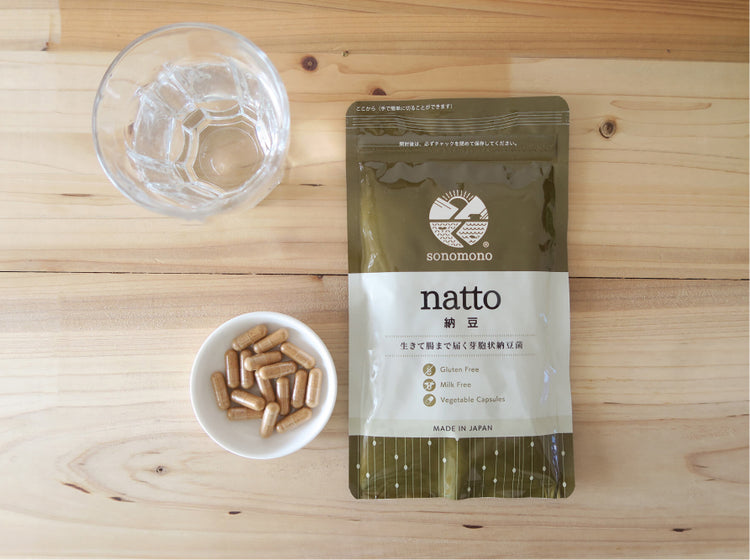
In the UK, it’s commonly available as nattokinase capsules UK, making it easy to include in a daily routine.
Key Differences You Should Know
Here’s a simple comparison to understand how they differ:
-
Type:
Aspirin is a medicine, while nattokinase is a natural enzyme -
How they work:
Aspirin prevents clot formation
Nattokinase helps break down existing clot-related proteins -
Usage:
Aspirin is used for specific medical conditions
Nattokinase is usually taken as a wellness supplement -
Side effects:
Aspirin may cause stomach and bleeding issues
Nattokinase is generally mild but still needs caution
Which One Should You Choose?
There’s no one-size-fits-all answer here.
If you’ve been prescribed aspirin by a doctor, it’s important to continue following medical advice. Aspirin has strong clinical support and is used in serious health conditions.
On the other hand, nattokinase is often chosen by people who are focusing on prevention and long-term health. It’s seen as a supportive option rather than a treatment.
So instead of asking “which is better,” it’s more useful to ask:
What do you need right now—medical treatment or general support?
Why People Are Exploring Natural Options
More people today are paying attention to daily habits and long-term health. That’s why natural ingredients like nattokinase are gaining interest.
They fit more easily into everyday routines and are often inspired by traditional diets.
Some brands, like Living Alpha, are bringing these traditional ingredients into modern supplement formats, making them more accessible in the UK.
Final Thoughts
Aspirin and nattokinase both support heart health—but in different ways.
Aspirin is a strong medical option used when needed.
Nattokinase is a natural supplement used for ongoing support.
Understanding this difference helps you make a better and safer choice for your health.
FAQs
1. What are the main nattokinase benefits?
Nattokinase helps support healthy blood flow and may assist the body in managing clot-related processes naturally.
2. Can I replace aspirin with nattokinase?
No, you should not replace aspirin with nattokinase without consulting a doctor. They serve different purposes.
3. Are UK nattokinase capsules safe?
They are generally safe for most people, but if you are taking blood thinners or have a medical condition, consult a healthcare professional first.
4. How is Japanese nattokinase different from aspirin?
Aspirin prevents platelets from sticking together, while nattokinase helps break down fibrin in the blood.
5. When should nattokinase be taken?
It is usually taken on an empty stomach for better absorption, but always follow the instructions on the product label.