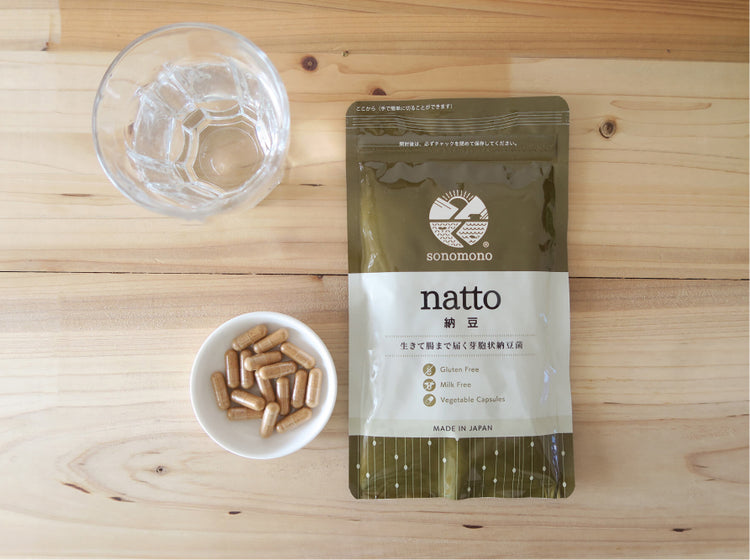
Synergistic Effects Of Japanese Natto Beans And Green Tea Polyphenols Studied
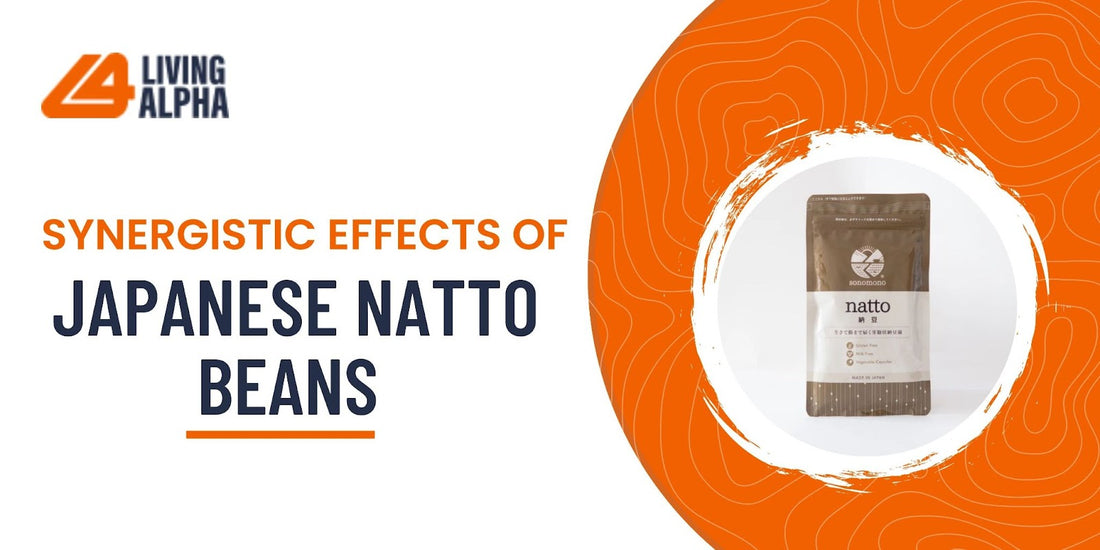
Traditional foods continue to capture attention for their health benefits, which are supported by modern scientific research. Japanese natto beans and green tea have long been valued individually for their unique nutritional properties. Recent studies, such as one published in Frontiers in Nutrition, show that their combined compounds offer amplified benefits, including cardiovascular support and metabolic regulation.
The fermentation process in natto produces nattokinase and vitamin K2, while green tea provides potent antioxidants called polyphenols. Together, these create a natural synergy influencing body systems beyond individual effects.
Exploring this interaction helps reveal practical ways to incorporate these foods into a wellness regimen. Understanding the complementary roles of Japanese natto beans sets the stage for the topics discussed below, including heart health, metabolism, immunity, ageing, and cancer prevention.
Why Understanding Natto and Green Tea Synergy Matters
These two traditional foods bring distinct yet complementary bioactive compounds. This synergy supports blood flow, gut health, metabolism, immune function, and other bodily functions. The following sections examine scientific insights into their combined effects and how these impact overall health and longevity.
Cardiovascular Benefits from Combined Effects
Japanese natto beans contain nattokinase, an enzyme that helps dissolve fibrin and supports healthy circulation. Vitamin K2 in natto also helps regulate calcium levels, maintaining flexible arteries. These properties reduce the risk of clot formation and arterial calcification.
Green tea polyphenols, especially EGCG, improve blood vessel function and lower blood pressure. A study published in the Journal of Clinical Biochemistry and Nutrition found that EGCG enhances vascular health and reduces the risk of hypertension. Their combination offers a more comprehensive cardiovascular defence.
Enhancing Gut Microbiome and Nutrient Absorption
Fermented soybeans, natto, introduce probiotics that enrich gut flora diversity, thereby strengthening the intestinal barrier. This improvement supports digestion and reduces systemic inflammation linked to chronic disease.
Polyphenols from green tea promote the growth of beneficial gut bacteria and protect the gut lining. Research in Nature Communications demonstrated how green tea selectively enriches microbial populations associated with improved metabolic health. Together, they optimise gut ecosystem balance and nutrient uptake.
Supporting Metabolic Health and Blood Sugar Control
Natto’s fibre and bioactive peptides help regulate blood sugar by slowing glucose absorption. This reduces sharp blood sugar spikes and supports insulin sensitivity. The enzyme nattokinase also promotes circulation, enhancing metabolic functions.
Green tea’s polyphenols activate AMPK, an enzyme critical for energy metabolism, improving insulin response and fat oxidation. Combining these foods may provide a natural approach to managing blood sugar and reducing the risks of metabolic syndrome and type 2 diabetes.
Boosting Immune Function and Cellular Defence
Natto provides essential minerals, including zinc and selenium, which play crucial roles in the production and function of immune cells. The fermentation process increases the bioavailability of peptides that support immune regulation.
Green tea polyphenols modulate immune signalling pathways to mitigate chronic inflammation and enhance antiviral responses. A 2021 review in Molecules highlighted green tea’s ability to enhance mucosal immunity and modulate cytokine production. This combination offers a powerful natural boost for immune resilience.
Anti-Ageing Effects and Cellular Renewal
Vitamin K2 in Japanese natto helps prevent calcium deposits in arteries and bones, thereby maintaining cardiovascular and skeletal health throughout the ageing process. Fermentation products may also activate longevity pathways, such as SIRT1, which is associated with cellular repair and maintenance.
Green tea polyphenols promote autophagy, the process that clears damaged cells and reduces oxidative stress. Their combined effects create an environment that supports healthy ageing by protecting tissues and maintaining cellular function.
Potential Cancer Prevention Properties
Natto contains soy isoflavones, such as genistein, which can modulate hormone activity and inhibit the growth of cancer cells, especially in prostate and breast cancers. Fermentation enhances the potency of these bioactive compounds.
Polyphenols from green tea have been extensively studied for their anti-cancer properties, including the ability to inhibit tumour angiogenesis and induce cancer cell death. A recent Cancer Letters study confirmed EGCG’s effectiveness in suppressing tumor growth in experimental models. Together, these foods hold promise for complementary cancer prevention strategies.
Finding Authentic Japanese Natto and Quality Green Tea
For those interested in exploring these benefits, authentic fermented soybeans, known as natto, can be found at speciality Asian markets or through reliable online vendors. Quality matters because proper fermentation preserves key enzymes and vitamins, ensuring the optimal nutritional value of the product.
Consumers seeking to purchase Japanese natto should look for refrigerated or frozen products to ensure freshness. Similarly, the quality of green tea varies widely; selecting organic or high-grade loose-leaf varieties ensures the highest polyphenol content for maximum benefit.
Incorporating Japanese Natto and Green Tea into Daily Diets
Introducing Japanese natto beans and green tea into everyday meals can be a simple and enjoyable experience. Natto pairs well with steamed rice, vegetables, or eggs, offering versatile breakfast or snack options. Green tea serves as a refreshing beverage throughout the day, offering a natural boost of antioxidants with every cup.
Establishing these foods as daily habits ensures consistent intake of their beneficial compounds. Small adjustments, such as swapping sugary drinks for green tea or incorporating natto into salads, can significantly enhance nutritional quality and support long-term wellness.
Considerations When Purchasing Natto and Green Tea
Choosing high-quality fermented soybeans, natto, requires attention to freshness and proper storage. Authentic natto should have a sticky texture and a distinctive aroma, indicating active fermentation and the presence of beneficial enzymes. Purchasing from trusted sources guarantees these qualities.
Similarly, selecting premium green tea involves looking for organic certification and minimal processing to preserve polyphenols. For those searching for Japanese natto where to buy, refrigerated or frozen options maintain nutrient integrity. Proper selection maximizes health benefits and ensures a satisfying culinary experience.
Synergy Effects on Mental Clarity and Cognitive Health
The combination of Japanese natto beans and green tea polyphenols may offer benefits that extend beyond physical health, including improved mental clarity and cognitive function. Natto’s vitamin K2 supports brain cell health, while the antioxidants in green tea help reduce oxidative stress linked to cognitive decline.
Regular consumption of both may promote sharper focus, memory retention, and overall brain vitality. This natural synergy supports neuroprotection and healthy ageing, making them valuable allies for maintaining mental well-being throughout life.
The powerful combination of Japanese natto beans and green tea polyphenols offers multifaceted health benefits. Their synergy supports heart, metabolic, immune, and cellular health in ways that individual foods cannot match on their own.
Living Alpha champions the integration of these time-tested foods backed by scientific evidence for optimal well-being. Reach out to us to learn how to incorporate Japanese natto beans into your daily routine for lasting health benefits.