New to Natto? A Beginner’s Guide to Benefits, Taste Hacks, and a 7-Day Start Plan
Natto can be an acquired taste, sticky, strong-smelling, and surprisingly addictive once you find your style. This beginner guide breaks down what natto may support (gut routine, nutrient density, circulation interest), the easiest flavour “hacks” to make it more enjoyable, and a step-by-step 7-day plan to help your body adjust. You’ll also find key cautions (including warfarin and soy allergy) so you can start safely and steadily.

Natto is a traditional Japanese food made by fermenting soybeans. It’s famous for two things: a strong smell + sticky texture, and a loyal fanbase who swear it becomes oddly addictive once you learn how to eat it.
If you are interested in trying natto but prefer a gradual introduction, this guide offers practical benefits, straightforward taste tips, and a 7-day plan designed to ease you into the experience.
What natto can support?
Natto is interesting because fermentation creates compounds you don’t get in plain soybeans. People most commonly explore natto for:
- Gut routine support: Fermented foods can support a healthier gut environment for some people, especially when paired with fibre, hydration, and movement. For additional support, some people also explore a gut health powder designed to encourage digestive balance.
- Nutrient density: Natto is a good source of plant protein and contains vitamin K (including K2 forms, like MK-7).
- Circulation interest: Natto contains enzymes produced during fermentation (including nattokinase), which is why it’s often discussed in circulation-related conversations.
Two important truths:
- Effects vary by person.
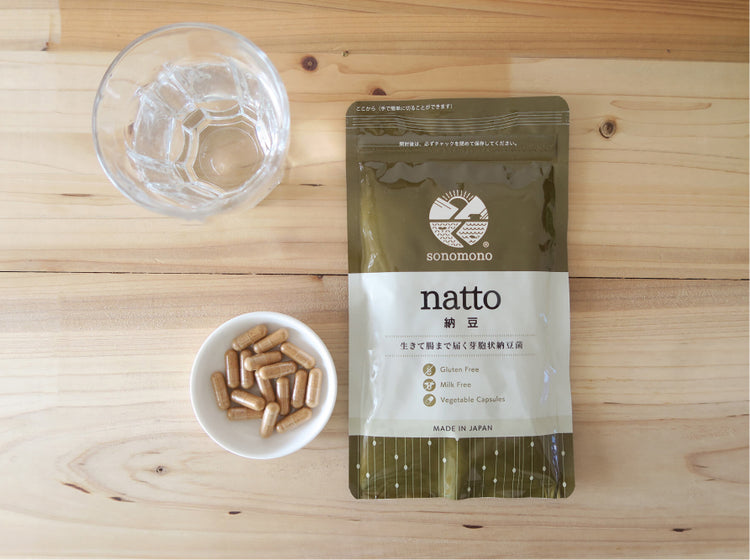
- Natto is best seen as a steady habit, not a “quick fix.” If the texture feels overwhelming, some people consider natto supplements as a more convenient alternative.
Natto’s Flavour Profile and Common Challenges
Natto can taste:
- earthy / nutty
- savoury (umami)
- slightly sharp
The texture is sticky and stringy, similar to beans combined with melted cheese threads.
For most people, the texture presents a greater challenge than the taste.
Tips to Make Natto More Enjoyable for Beginners
Try these before you give up:
1) Surround natto with warmth, but do not heat it directly
Keep natto at room temperature or cool, and serve it on warm rice or toast. The warmth enhances comfort without altering the natto itself.
2) Mix with strong flavours
Natto is often more palatable when paired with other ingredients.
- Soy sauce / tamari + spring onions
- Mustard (Japanese karashi if you have it)
- Kimchi or pickled veggies
- Sesame oil + sesame seeds
- A small amount of mayonnaise can also be effective.
- Chilli crisp or chilli oil
3) Vary the base ingredient
If rice is too strong in flavor or texture, consider these alternatives:
- Toast (with butter + natto + soy sauce)
- Nori sheets, used as small wraps
- Avocado toast topper
- A bowl with cucumber, sesame, and natto for a lighter option
4) Add acidity
A squeeze of lemon or a little rice vinegar cuts the “fermented edge.”
A 7-day natto start plan
Goal: build tolerance + reduce the “first-time shock.”
Day 1: One tablespoon test
Mix 1 tbsp natto into warm rice with soy sauce + mustard.
Tip: Eat promptly without overanalysing the experience.
Day 2: Same amount, new texture trick
1 tbsp natto + chopped spring onions + sesame oil. Add nori.
Day 3: Increase slightly
2 tbsp natto. Add kimchi or chilli crisp for a stronger flavour.
Day 4: Add it to toast
2 tbsp natto on toast with butter + soy sauce + optional mayo.
Day 5: Half pack (if you’re tolerating it)
Half pack natto bowl: rice + natto + nori + cucumber + sesame.
Day 6: Full pack or continue with half
If digestion is comfortable, try a full pack. If you experience gas or bloating, remain at half a pack and maintain consistency.
Day 7: Make it “your way”
Repeat your preferred combination from Days 3 to 6 and decide:
- “This works for me weekly”
- or “I prefer smaller amounts more often”
Beginner guideline: Consistency is more effective than intensity. A gradual, steady intake is preferable to large portions at once.
What to expect in your body
Some people feel nothing. Some notice:
- mild gas or bloating early on
- improved regularity over time
If you feel uncomfortable: reduce the serving, keep the same meal pairing, and retry for a few days.
Who should be cautious
Speak to a clinician first if you:
- Take warfarin (vitamin K intake needs to be consistent and medically guided)
- Take other blood thinners/antiplatelets
- Have a soy allergy
- Have conditions where fermented foods trigger symptoms (some people are sensitive)
- Are pregnant/breastfeeding or have complex medical conditions
Bottom line
Natto is a high-impact fermented food: nutrient-rich, research-interesting, and surprisingly doable once you use the right hacks. Start small, use strong flavours, give your gut a week to adapt, and you’ll know quickly whether natto belongs in your routine.