Signs Your Gut Health is Poor (And How to Fix It Naturally)
Gut health influences digestion, immunity, energy and overall wellbeing. This guide explains the signs of poor gut health and practical ways to restore balance through diet, lifestyle habits, probiotics and supportive supplements.

Gut health plays a central role in digestion, immunity, energy levels, metabolism, and overall well-being. The gut microbiome is the collection of bacteria living in your digestive system that influences how your body absorbs nutrients, manages inflammation, and even regulates mood. When gut balance is disrupted, the body often shows clear warning signs.
Understanding the early signs of poor gut health can help you take practical steps to restore balance before issues become long-term.
Signs Your Gut Health Is Poor
One of the most common signs is persistent bloating or discomfort after eating. This can happen when the gut microbiome struggles to break down food efficiently. Irregular digestion, including constipation or diarrhoea, is another indicator that gut bacteria may be imbalanced.
Fatigue is also closely linked to gut health. Poor nutrient absorption can affect energy levels, while inflammation originating in the gut may contribute to ongoing tiredness. Skin issues such as acne, eczema, or dull skin can reflect internal imbalance, as the gut and skin are closely connected.
How to Improve Gut Health
Learning how to improve gut health starts with consistent daily habits. Increasing fibre intake supports beneficial bacteria, as fibre acts as a primary fuel source for the microbiome. Drinking enough water helps digestion and supports regular bowel movements.
Sleep and stress management are equally important. Chronic stress can disrupt gut bacteria, while poor sleep may affect digestion and inflammation. Eating a diverse range of whole foods, especially plant-based foods, helps build microbiome diversity over time.
Small changes maintained consistently often produce the most noticeable improvements.
Best Food for Gut Health
Choosing the best food for gut health means focusing on variety and fermentation. Fermented foods, such as natto benefits, kimchi, and kefir, introduce beneficial bacteria that support microbiome balance. Fibre-rich foods like vegetables, legumes, oats, and whole grains help nourish those bacteria.
Prebiotic foods, including garlic, onions, bananas, and asparagus, feed existing gut microbes. Polyphenol-rich foods such as berries, olive oil, green tea, and dark chocolate may also support microbial diversity.
Probiotics for Gut Health
Probiotics for gut health are live beneficial bacteria that help restore microbiome balance. They may support digestion, immune function, and resilience after disruptions such as antibiotics, stress, or dietary changes.
People often consider probiotics when experiencing digestive discomfort or when starting a gut-focused routine. While food sources remain important, targeted probiotic products may provide additional support depending on individual needs.
Gut Health Supplements
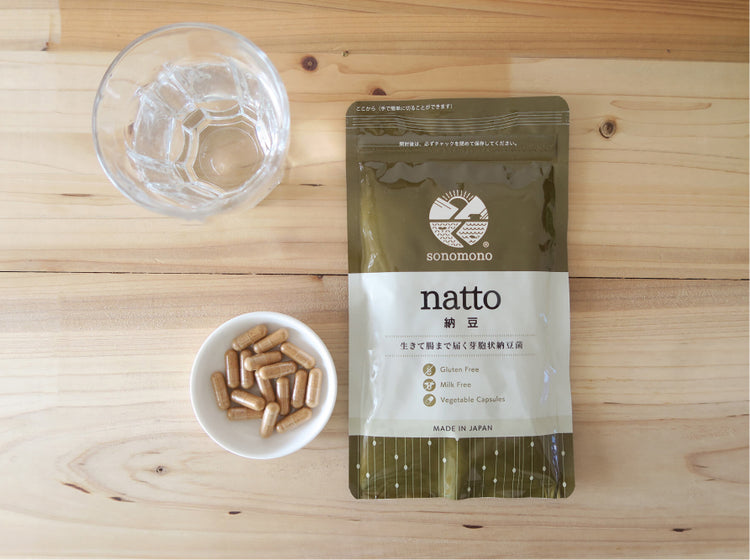
Gut health supplements can complement dietary changes. Common options include probiotics, prebiotics, digestive enzymes, and fermented food-based supplements. These products are typically used to support digestion, nutrient absorption, and microbiome balance.
Choosing high-quality supplements with transparent labelling and appropriate strains is important. Supplements tend to work best when combined with consistent lifestyle habits.
Practical Tips and Timeline
Improving gut health takes time. Some people notice changes within a few weeks, while greater improvements may take several months. Starting with one or two habits, such as increasing fibre or adding fermented foods, makes the process sustainable.
Daily movement, hydration, stress reduction, and consistency are key factors in long-term gut improvement.
Conclusion
Recognising the signs that your gut health is poor allows you to take early action. Bloating, fatigue, skin changes, and food sensitivities often indicate microbiome imbalance. Understanding how to improve gut health through diet, lifestyle, probiotics for gut health, and supportive gut health supplements can help restore balance over time.
A diverse diet, consistent habits, and realistic expectations provide the strongest foundation for lasting gut health.
FAQ
What are the most common signs of poor gut health?
Bloating, irregular digestion, fatigue, skin issues, food sensitivities, and frequent illness are common indicators.
How long does it take to improve gut health?
Some improvements may appear within a few weeks, but meaningful microbiome changes often take several months.
What is the best food for gut health?
A mix of fermented foods, fibre-rich foods, and prebiotic foods supports microbiome diversity.
Do probiotics for gut health work?
Probiotics may help restore microbial balance, especially when combined with diet and lifestyle changes.