The Hidden Link Between Energy, Ageing and Circulation
Feeling less energetic than usual? The link between energy and circulation is often overlooked. Learn how healthy circulation, daily habits, and insights from Japanese wellness can help support healthy ageing and a more active lifestyle.

Many people notice changes in their energy levels as they get older. Tasks that once felt easy may require more effort, and recovery after a busy day can take longer than it used to.
While ageing is a natural part of life, there is another factor that often receives less attention: circulation.
The relationship between energy and circulation is an important topic within modern wellness discussions. Understanding how they work together may help people make more informed lifestyle choices as they pursue healthy aging and long-term wellbeing.
Why Circulation Matters
Every organ, muscle, and tissue in the body depends on a continuous supply of oxygen and nutrients. This process relies on the circulatory system, which works around the clock to support normal bodily functions.
When people talk about maintaining healthy circulation, they are often referring to habits that support overall physical wellbeing and an active lifestyle.
Although occasional tiredness can have many causes, circulation is one of several factors that may influence how energetic and active a person feels from day to day.
The Connection Between Energy and Ageing
As people grow older, lifestyle habits often become more important.
Regular movement, balanced nutrition, quality sleep, and stress management can all contribute to how people feel as they age. These same habits are frequently discussed in relation to both healthy aging and circulation wellness.
Rather than focusing on dramatic changes, many experts encourage sustainable routines that can be maintained over time.
This practical approach is one reason why the concept of a longevity lifestyle continues to attract attention.
Recognising Potential Warning Signs
Some people begin paying attention to circulation only after experiencing certain symptoms.
Commonly discussed signs of poor circulation include:
-
Frequently cold hands or feet
-
Tingling sensations
-
Reduced energy levels
-
Slower recovery after activity
-
Changes in skin appearance
These symptoms can have multiple causes, which is why it is important to seek professional advice if concerns arise.
What Japanese Wellness Can Teach Us
Interest in Japanese wellness has increased significantly in recent years.
Many people admire the emphasis placed on balance, routine, and consistency within traditional Japanese lifestyles. Rather than chasing short-term health trends, the focus is often on habits that can be maintained for years.
Food also plays an important role.
One traditional food that regularly appears in discussions about Japanese nutrition is Japanese natto. Made from fermented soybeans, natto has been enjoyed in Japan for generations and is often mentioned alongside other healthy lifestyle practices.
As curiosity grows, more consumers are researching natto benefits and learning about its place within Japanese food culture.
Practical Habits That Support Wellbeing
You do not need an extreme wellness plan to support long-term health.
Simple habits can make a meaningful difference:
-
Stay active throughout the week
-
Prioritise quality sleep
-
Drink enough water
-
Eat a balanced diet
-
Manage stress where possible
-
Maintain routines you can realistically follow
Some consumers interested in Japanese-inspired wellness also research the best nattokinase supplement when exploring products connected to traditional natto.
The key is finding habits that fit naturally into everyday life.
What Long-Term Customers Say
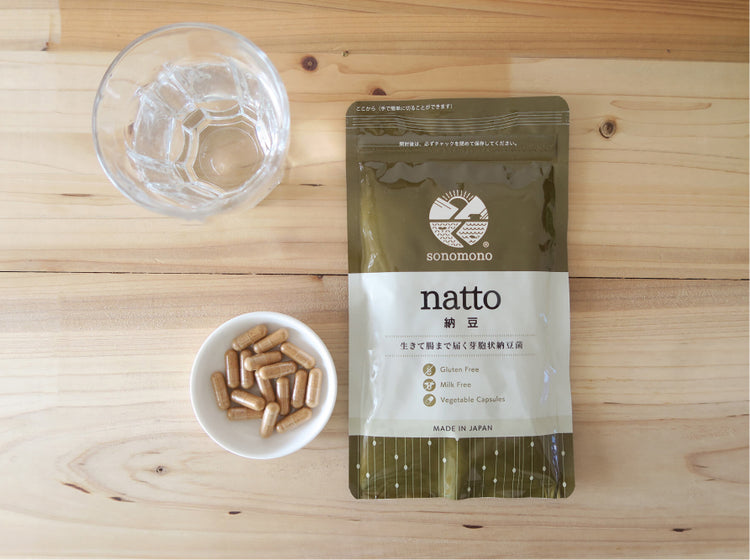
Many Sonomono customers mention consistency rather than complexity when sharing their experiences.
One customer explained:
"I wanted to eat natto every day because I knew it was good for me, but I couldn't keep up the habit. Since switching to the capsules, I've been able to stay consistent and I plan to continue using them."
Another long-term user shared:
“I started a regular subscription to Sonomono Natto, and before I knew it, three years had passed. At some point, I stopped buying the regular natto I used to eat regularly and now only buy Sonomono Natto. With Sonomono Natto, I don't need any other natto. I intend to continue using it for a long time."
These experiences highlight a common theme: wellness habits are often easier to maintain when they are practical and convenient.
Looking for a Meaningful Father's Day Gift?
This Father's Day, many families are choosing gifts that support long-term wellbeing rather than short-term novelty. We're proud that Sonomono Natto Capsules were recently featured in Health & Wellbeing's Father's Day gift guide, "Father's Day Gifts He'll Actually Use (And Love!) – Part One," as a thoughtful option for health-conscious dads. Read the feature here:
https://www.healthwellbeing.com/fathers-day-gifts-hell-actually-use-and-love-part-one/
Frequently Asked Questions
1. What is the connection between energy and circulation?
Circulation helps support normal bodily functions, which may influence how energetic and active a person feels.
2. What are common signs of poor circulation?
Commonly discussed signs include cold hands and feet, tingling sensations, fatigue, and slower recovery after physical activity.
3. What is Japanese natto?
Japanese natto is a traditional fermented soybean food that has been enjoyed in Japan for generations.
4. Why are people interested in natto benefits?
Many people are curious about natto because of its connection to Japanese wellness and traditional nutrition.
5. How can I support healthy ageing naturally?
Regular movement, balanced nutrition, good sleep, hydration, and stress management are commonly recommended lifestyle habits.