Top 7 Foods That Feed Your Gut & Boost Digestion Naturally
Improve your gut health naturally with these 7 powerful foods that support digestion, reduce bloating, and nourish your microbiome. Learn how probiotics, prebiotics, and fiber-rich foods like yogurt, kefir, oats, and lentils can help you feel lighter and more balanced.
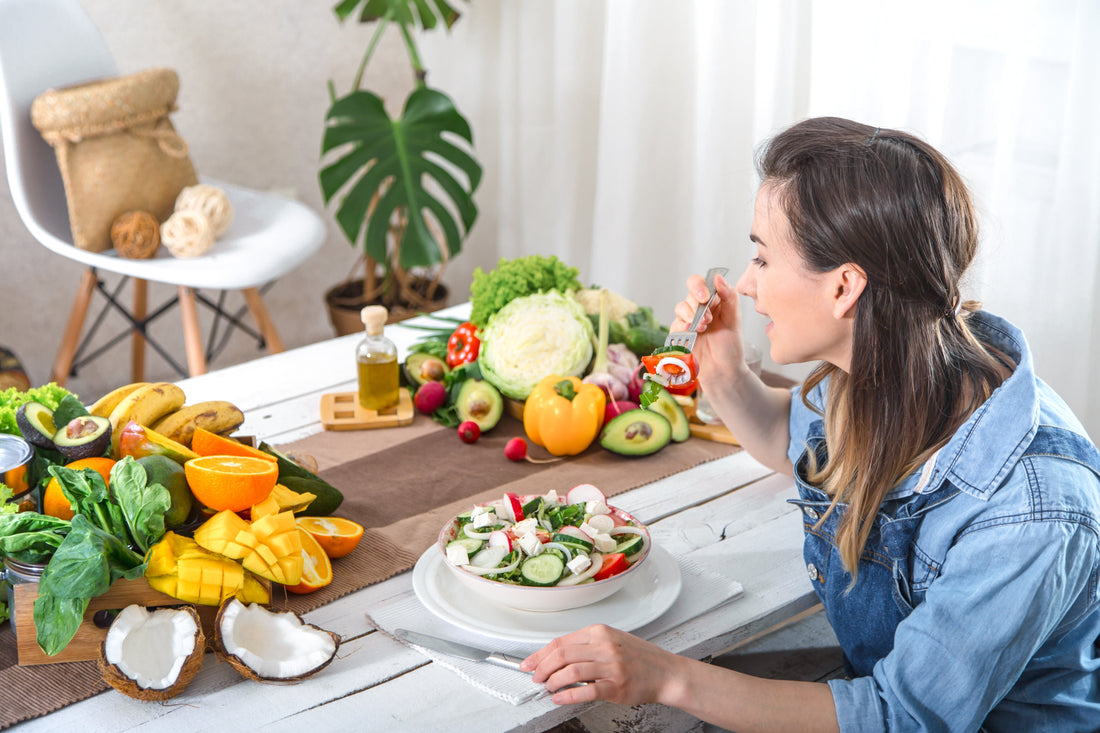
If you often deal with bloating, sluggish digestion, or irregular bowel movements, your gut may be asking for more support. Gut health plays a central role in how comfortably and efficiently your body processes food. At the heart of it is the gut microbiome of trillions of bacteria that help break down nutrients, regulate digestion, and even influence bloating relief. When this balance is disrupted, symptoms like discomfort and gas can become common. The good news? Food is one of the simplest and most natural ways to restore that balance and gently improve digestion over time.
Understanding the Basics: Probiotics, Prebiotics & Fiber
Probiotics are live beneficial bacteria found in certain fermented foods. They help strengthen and diversify the gut microbiome.
Prebiotics are types of fiber that feed those good bacteria. Without prebiotics, probiotics don’t thrive.
Fiber-rich and fermented foods work together to support smoother digestion, encourage regular bowel movements, and reduce occasional bloating. When combined consistently, they can create long-term improvements in gut health.
Top 7 Gut-Boosting Foods
1. Yogurt (Live Cultures)
Yogurt with live active cultures delivers probiotics directly to your gut, helping maintain a healthy bacterial balance. Look for labels that say "live and active cultures" rather than heavily processed varieties.
Quick tip: Have a small bowl of plain yogurt with berries for breakfast, or use it as a base for smoothies.
2. Kefir
This fermented milk drink contains a wider variety of probiotic strains than yogurt, making it a powerhouse for digestive support. It's tangy, creamy, and easier to digest for some people who struggle with regular dairy. If you've been dealing with chronic bloating, kefir might offer gentle relief.
Quick tip: Drink a small glass in the morning or blend it into your smoothie for a probiotic boost.
3. Sauerkraut
This fermented cabbage delivers both probiotics and enzymes that support digestion. It's also packed with vitamin C and fiber, which nourish your gut lining and promote regular bowel movements.
Quick tip: Add a forkful to salads, grain bowls, or alongside eggs for a tangy kick.
4. Slightly Green Bananas
Unripe bananas contain resistant starch, a type of prebiotic fiber that feeds good bacteria without causing gas or bloating.
Quick tip: Slice a slightly green banana into your morning oatmeal or blend it into a smoothie.
5. Oats
Oats contain beta-glucan, a soluble fiber that promotes regular digestion and feeds the gut microbiome. They're gentle on the stomach and incredibly versatile. Interestingly, the stress and digestion connection means that starting your day with a calming, nourishing bowl of oats can support both mental and gut health.
Quick tip: Make overnight oats with yogurt or kefir for a double dose of gut support.
6. Garlic
Garlic acts as a natural prebiotic, helping beneficial bacteria grow.
Quick tip: Add minced garlic to soups, stir-fries, or roasted vegetables for flavor and digestive benefits.
7. Lentils or Chickpeas
These legumes are fiber-rich and provide resistant starch, supporting both digestion and satiety. They keep you feeling full longer, which can help if you often feel like why you feel hungry even after eating.
Quick tip: Toss cooked lentils into salads, blend chickpeas into hummus, or add them to curries and stews.
Practical Tips for Better Digestion
Start slowly when adding fiber-rich foods to avoid overwhelming your system. Drink plenty of water throughout the day to help fiber do its job. Pair prebiotic foods (like garlic and bananas) with probiotic foods (like yogurt and sauerkraut) for maximum benefit. Consistency matters more than perfection small, daily habits add up over time.
FAQs
1. What is the best food for gut health?
A combination of probiotic and prebiotic foods works best to support the gut microbiome.
2.How long does it take to improve digestion naturally?
Most people notice improvements within 1–2 weeks of consistently eating gut-friendly foods. However, lasting changes to your gut microbiome may take several weeks to a few months.
3.Can improving gut health reduce bloating?
Yes. A balanced gut microbiome helps break down food more efficiently, reducing gas and bloating. Foods like kefir, oats, and sauerkraut are particularly helpful for bloating relief.
4.What foods should I avoid for better digestion?
Limit ultra-processed foods, excessive sugar, and fried or greasy meals, as these can disrupt your gut bacteria balance and slow digestion.