Vitamin K2 MK-7 from Natto: New Year 2026 Guide to Bone Strength & Healthy Ageing
Healthy ageing in 2026 is about staying strong, mobile and confident. Discover how Vitamin K2 MK-7 from natto fits into a smarter bone-health routine beyond just calcium.

In 2026, “healthy ageing” isn’t about looking younger; it’s about staying capable: walking confidently, keeping posture strong, and maintaining mobility without fear. And while most bone-health advice focuses on calcium and vitamin D, there’s a nutrient that often gets missed in everyday conversations: Vitamin K2, especially MK-7, the form famously associated with natto (traditional Japanese fermented soybeans).
What is Vitamin K2 (MK-7)?
Vitamin K is a family of nutrients with different forms. Vitamin K1 is commonly found in leafy greens and is best known for its role in normal blood clotting. Vitamin K2 is a different set of compounds (menaquinones), found in fermented foods and some animal-based foods. MK-7 is one specific subtype of K2 that has become popular because it’s strongly linked with natto and widely used in supplements.
So why is MK-7 talked about so much? Because vitamin K2 is involved in activating certain proteins that help your body manage calcium use an important piece of the puzzle when your goal is bone strength over the long term.
Why natto is a well-known source of MK-7
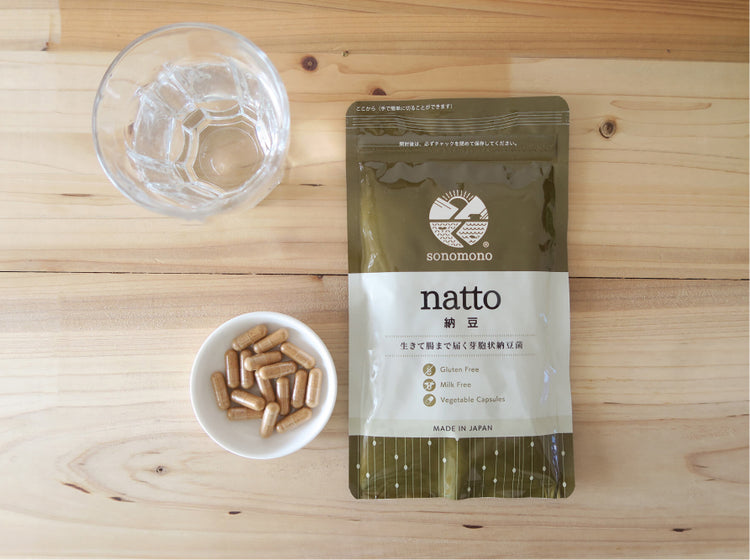
Natto is made by fermenting soybeans with beneficial bacteria. During this fermentation, vitamin K2—particularly MK-7—forms in notable amounts. Natto is famous for its strong smell, sticky texture, and distinct taste, which many people outside Japan don’t eat regularly. That’s one reason MK-7 supplements are commonly marketed “from natto”—it’s a way to access that specific K2 form without needing natto in your diet.
How MK-7 supports bone strength (simple explanation)
Bones are not static. They’re living tissue that constantly remodels—breaking down and rebuilding based on your activity, nutrition, hormones, and age. This is why calcium alone isn’t a full strategy. Your body also needs the right biological “signals” to support how calcium is used.
Vitamin K2 helps by activating a protein called osteocalcin, which helps bind calcium to the bone matrix. In plain language: MK-7 supports the body’s normal process of putting calcium where it belongs, into bones and teeth rather than leaving it “unmanaged.” That’s why you often see K2 discussed alongside vitamin D.
A helpful way to think about the pairing:
- Vitamin D supports calcium absorption.
- Vitamin K2 (MK-7) supports the activation of proteins involved in directing calcium into bones.
This is also why many supplements combine D3 + K2 (MK-7), not as a trend, but because they play complementary roles.
Healthy ageing: the real 2026 bone routine
If you want a serious bone strategy for 2026, think bigger than a supplement. The best “bone plan” is a stack of habits that work together:
- Strength training (2–4x/week): This is one of the strongest lifestyle drivers of bone and muscle support.
- Protein with meals: Bones are built on a protein framework, not only minerals.
- Vitamin D status: Sun exposure helps, but many people benefit from checking levels and supplementing if needed.
- Calcium intake: Prefer food sources first; supplement only if your diet is low.
- Consider MK-7: Especially if you’re already taking vitamin D or thinking about long-term bone support.
The point: MK-7 can be a useful addition, but it’s not a replacement for movement, protein, and overall nutrition.
Important safety note (don’t skip)
If you take blood-thinning medication, especially warfarin (a vitamin K antagonist), do not start vitamin K2 supplements without medical guidance. Vitamin K can interfere with these medications. If you’re pregnant, breastfeeding, have a clotting disorder, liver concerns, or surgery planned, it’s best to speak with your clinician before adding any supplement routine.
Q & A (Quick Answers)
Q1) Is Vitamin K2 the same as Vitamin K1?
No. K1 is common in green vegetables and is linked to clotting. K2 includes MK-7 and is often discussed for bone routines.
Q2) Why is MK-7 from natto so popular?
Natto is a standout dietary source of MK-7, and supplements offer a practical option if you don’t eat natto.
Q3) Can I take vitamin D and calcium without K2?
Many people do. K2 is often added to support proteins involved in normal calcium use for bone metabolism.
Q4) Does MK-7 replace calcium?
No. It supports how calcium is used; you still need adequate calcium intake through diet (or supplements if necessary).
Q5) When should I take MK-7?
Most people take it with a meal. Consistency matters more than the exact time of day.
Q6) Who should avoid K2 supplements?
Anyone on warfarin or similar medications should consult a clinician first. Also, check if you have special health conditions.
Q7) How long does it take to notice results?
Bone health is slow. Think months of consistent habits, not quick changes.
Q8) What’s the simplest 2026 bone-health checklist?
Strength training, enough protein, vitamin D support, calcium from diet—and consider MK-7 as an add-on.