Vitamin K2 (MK-7) in Natto: Why It Matters for Bones + How to Get Enough in Real Life
Natto isn’t just about nattokinase, it’s also one of the richest sources of vitamin K2 (MK-7), often discussed for its role in bone-related calcium handling and healthy ageing. This article explains what MK-7 does in plain language, why natto stands out, and practical ways to get a steady intake through food or a simple capsule routine. It also covers an important caution for anyone taking warfarin or clotting-related medication, where vitamin K changes should be clinician-guided.

Natto is often associated with nattokinase, but it is also a significant source of vitamin K2, particularly the MK-7 form. MK-7 is frequently highlighted for its role in bone support and healthy ageing, making consistent intake important. Certain individuals should also exercise caution.
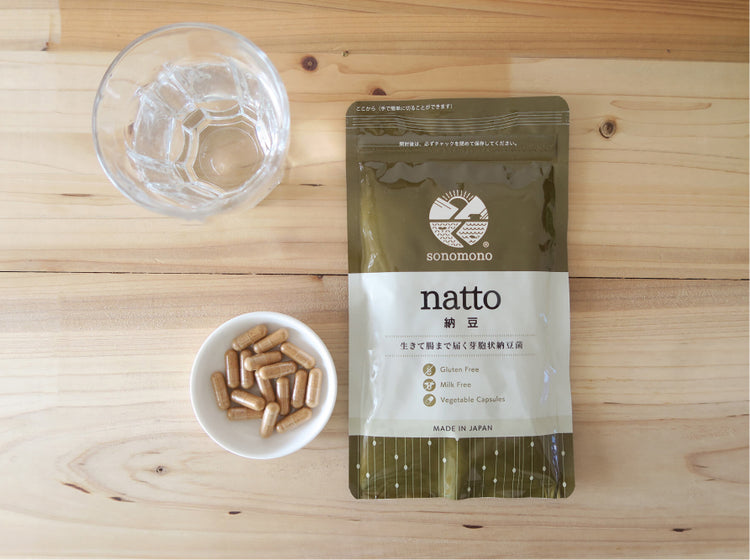
At Living Alpha, our focus is on fermented natto in capsule form for people who want a simple, repeatable routine, without having to eat natto.
What is MK-7, and why does it matter for bones?
Vitamin K is best known for its role in normal blood clotting, but it also supports bone health by activating specific proteins involved in calcium handling. One of the key proteins is osteocalcin, which helps bind calcium in the bone matrix. Vitamin K2 (MK-7) is studied in bone-health research because it’s involved in this activation process.
In plain language: calcium is only part of the bone story. Vitamin K (including K2 forms like MK-7) supports the body’s ability to use calcium appropriately as part of normal physiology. (This is supportive nutrition, not a medical treatment.)
Why is natto such a talked-about source
Natto is widely described as one of the richest food sources of vitamin K2, particularly MK-7.
For individuals who do not regularly consume fermented foods, natto is often identified as a key source of vitamin K2.
However, many people find the texture or taste of natto challenging, which is why capsule formats are available. Capsules offer the advantage of consistency and ease of use.
“How much do I need?” (and why you’ll see different numbers)
Vitamin K guidance is usually given as total vitamin K (not always separated into K1 vs K2). In the UK, the NHS frames it as approximately 1 microgram per kilogram of body weight per day.
Other authorities, like Harvard’s Nutrition Source, list Adequate Intake values of 120 mcg/day for adult men and 90 mcg/day for adult women.
Rather than focusing on exact numbers, most people should aim for a steady intake over time, whether through food or a consistent supplement routine.
How to get enough in real life
Here are simple, realistic approaches:
- If you eat fermented foods, include them regularly (not sporadically).
- If natto as food isn’t for you, a capsule routine can remove the “taste barrier” and help you stay consistent.
- Don’t forget the basics: bones also rely on protein, resistance training, vitamin D status, and overall nutrition.
Who should be cautious (this matters)
If you take warfarin or other medicines where clotting balance is being managed, vitamin K intake needs to be stable and clinically guided, not suddenly increased or decreased. The NHS is very clear: keep your diet consistent and speak to your clinician before making significant changes.
This caution can apply to natto and K2-focused supplements too.
Summary
MK-7 (vitamin K2) is a key nutrient in natto due to its role in bone-related calcium management and protein activation. Natto is an excellent source, but the most effective approach is the one you can maintain, whether through food or a consistent capsule routine. If you are taking warfarin or similar medication, seek medical guidance before making any changes.