Vitamin K2 vs Vitamin D3: Do You Need Both for Better Bone and Heart Health?
Wondering whether you need both Vitamin K2 and Vitamin D3? This guide explains how these two nutrients support bone and heart health in different ways, why they’re often taken together, and what current research says. Learn about the role of Japanese natto, the key Vitamin K2 benefits, and how to make informed choices for healthy ageing.

When we think about supporting our bone and heart health, Vitamin D3 is usually the one that gets all the attention. There is another nutrient that is becoming more and more important for healthy ageing. Vitamin K2. If you have ever wondered about Vitamin K2 vs Vitamin D3 you are not alone. A lot of people are now asking whether taking both is better than taking either one on its own.
The short answer is that Vitamin K2 and Vitamin D3 do things in our body. Vitamin D3 helps our body absorb calcium and Vitamin K2 helps get that calcium to our bones and teeth. Research says they may work well together as part of a diet but we are still learning about what happens when we take them together for a long time.
What is the difference between Vitamin K2 and Vitamin D3?
Even though we often talk about them together these vitamins do jobs. Vitamin D3 helps our body absorb calcium from the food we eat. It also helps our muscles work properly and supports our system.
Vitamin K2, particularly the MK-7 form, plays a different role. It helps activate proteins involved in directing calcium towards bones and teeth, where it's needed most. It also contributes to normal blood clotting, which is an authorised health benefit recognised in the UK and Europe.
How do Vitamin K2 and Vitamin D3 work together?
One way to understand the benefits of taking Vitamin K2 with Vitamin D3 is to think of calcium as a passenger.
Vitamin D3 helps calcium get into our bloodstream. Vitamin K2 helps get that calcium to the right places. This is why a lot of people choose to take supplements that have both Vitamin K2 and Vitamin D3.
We are still learning about how this combination can help our bone and heart health in the run but scientists agree that each nutrient is important.
|
Vitamin D3 |
Vitamin K2 |
|
Helps absorb calcium |
Helps direct calcium to bones |
|
Supports immune function |
Contributes to normal blood clotting |
|
Made naturally through sunlight exposure |
Found in fermented foods such as Japanese natto |
|
Support normal muscle function |
Plays a role in bone health |
What does the research say?
Research consistently supports Vitamin D3's role in maintaining normal bones, muscles and immune function.
Evidence for Vitamin K2 benefits is also growing. Studies suggest Vitamin K2 may support healthy calcium metabolism and bone health, particularly when consumed as part of a balanced diet. However, researchers continue to investigate its wider role in heart health and healthy ageing, and more long-term studies are needed.
This distinction is important because strong evidence already exists for some health claims, while other potential benefits remain areas of active research.
Where can you get Vitamin K2 naturally?
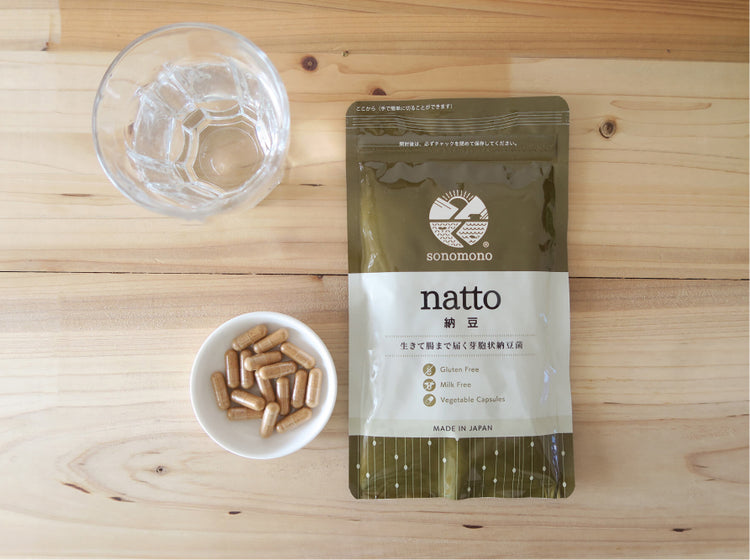
One of the natural sources of Vitamin K2 is Japanese natto. Natto is a food made from fermented soybeans and has been eaten in Japan for a long time. It has both Vitamin K2 and nattokinase.
If you do not like the taste or texture of natto you can take supplements. When comparing products, it's worth looking for transparent ingredient lists, quality manufacturing standards and trusted brands. Some people also explore the best nattokinase supplements if they're interested in nutrients naturally associated with natto.
Who may benefit from taking both?
People looking to support bone health, particularly as they get older, often consider taking Vitamin D3 and Vitamin K2 together. This may be especially relevant during the winter months in the UK when sunlight exposure is limited.
However, supplements aren't a substitute for a varied diet, regular exercise and other healthy habits. If you have a medical condition or take blood-thinning medication, speak with a healthcare professional before starting Vitamin K2 supplements.
Conclusion
The discussion around Vitamin K2 vs Vitamin D3 isn't about choosing one over the other. Instead, it's about understanding how they perform different roles in supporting bone health and overall wellbeing. While research into the benefits of taking Vitamin K2 with Vitamin D3 continues to evolve, current evidence suggests they complement each other rather than compete. Combined with a balanced diet and healthy lifestyle, they may help support healthy ageing and long-term wellness.
One Living Alpha customer shared their experience:
“ I don't like natto, but I know it's a healthy food. The capsules are easy to swallow and have made it much easier to include natto in my daily routine."
Their story is a reminder that the best wellness habits are often the ones you can stick with consistently.
Frequently Asked Questions
1. Should I take Vitamin K2 and Vitamin D3 together?
Many people choose both because they have complementary roles. Vitamin D3 helps absorb calcium, while Vitamin K2 helps direct it towards bones and teeth. Research suggests they work well together, although studies are still ongoing.
2. What is the difference between Vitamin K2 and Vitamin D3?
Vitamin D3 supports calcium absorption, immune function and muscle health. Vitamin K2 contributes to normal blood clotting and helps activate proteins involved in healthy calcium metabolism.
3. Is Japanese natto a good source of Vitamin K2?
Yes. Japanese natto, made from fermented soybeans, is one of the richest natural sources of Vitamin K2 (MK-7). It also naturally contains nattokinase.
4. What are the benefits of taking Vitamin K2 with Vitamin D3?
Current research suggests these nutrients have complementary roles in supporting bone health and calcium metabolism. However, more studies are needed to fully understand their long-term combined effects on heart health.
5. What should I look for when choosing a Vitamin K2 supplement?
Look for products from reputable manufacturers that clearly state the form of Vitamin K2 (such as MK-7), provide transparent ingredient information and follow recognised quality standards.