Why Natto Is Called a Superfood in Japan (And Why It Matters)
Why is Japanese natto considered a superfood? Discover the benefits natto offers for gut microbiome foods, heart health, and why natto in UK is gaining attention.

In Japan, there’s one food that often surprises people seeing it for the first time. It’s sticky, strong-smelling, and not exactly what you’d expect from a “superfood.”
Yet, it has been eaten for centuries and is still part of daily life.
That food is natto.
While it may not be as popular in the UK yet, more people are starting to recognise its value—especially when it comes to gut health and long-term wellness.
What Makes Japanese Natto So Special?
Natto is made by fermenting soybeans using a natural bacteria called Bacillus subtilis. This fermentation process is what gives natto its unique texture and powerful health benefits.
In Japan, it’s often eaten for breakfast with rice. It’s simple, traditional, and deeply connected to everyday health.
Unlike many modern supplements, natto is a whole food—meaning it delivers multiple nutrients in their natural form.
This is one of the key reasons it’s often referred to as a superfood.
The Real Benefits of Natto
When people search for benefits natto, they’re usually surprised by how much this one food offers.
Natto supports the body in several important ways:
-
Gut health: It contains beneficial bacteria that help balance your gut microbiome
-
Heart health: It includes an enzyme called nattokinase, known for supporting healthy blood flow
-
Bone strength: Natto is rich in Vitamin K2, which plays a role in maintaining strong bones
Instead of focusing on just one area, natto supports multiple systems at once. That’s what makes it stand out compared to single-purpose supplements.
Why It Matters for Your Gut Microbiome
Your gut microbiome is made up of trillions of bacteria that affect digestion, immunity, and even energy levels.
Modern diets—especially in the UK—often lack enough gut microbiome foods, particularly fermented ones.
This is where natto becomes relevant.
Because it’s naturally fermented, natto introduces beneficial bacteria into the gut while also supporting the growth of existing good microbes.
Over time, this can help improve digestion and overall balance in the body.
Why Natto Is Still Rare in the UK
Despite its benefits, natto hasn’t fully entered mainstream diets in the UK.
There are a few reasons for this:
-
Its strong smell and sticky texture can feel unfamiliar
-
It’s not widely available in everyday supermarkets
-
Many people simply haven’t heard of it
However, awareness is growing. More people searching for natto in UK are discovering it through health content, supplements, and wellness communities.
A Modern Way to Include Natto
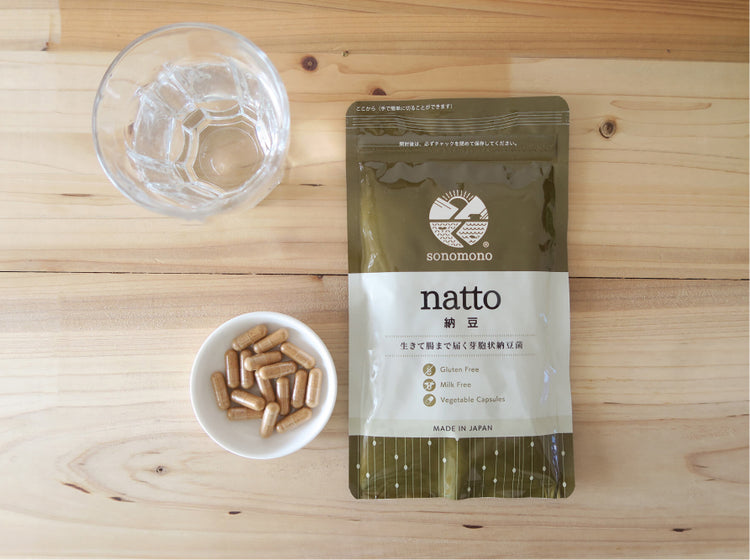
For those who don’t enjoy the taste or can’t easily find it, natto-based supplements have become a practical alternative.
These products are designed to deliver the key benefits of natto in a more convenient form—without the strong flavour.
Brands like Living Alpha focus on bringing traditional Japanese nutrition into modern lifestyles, making it easier for people in the UK to access these benefits.
Final Thoughts
Natto may not look like a typical superfood, but its impact goes far beyond appearance. It supports gut health, heart function, and bone strength—all from a single, natural source.
In a world where many supplements target one issue at a time, natto offers something different: a more complete, balanced approach to health. And that’s exactly why it has remained a staple in Japan for generations.
As awareness grows in the UK, natto is slowly moving from being unfamiliar… to being essential.
FAQs
1. What are the main benefits of natto?
Natto supports multiple areas of health. The key benefits natto is known for include improved gut health, better blood circulation, and stronger bones due to its natural Vitamin K2 content.
2. What does Japanese natto taste like?
natto has a strong smell and a sticky texture, which can feel unusual at first. Some people enjoy it over time, while others prefer taking it in supplement form.
3. Is natto good for the gut microbiome?
Yes, natto is one of the best gut microbiome foods because it contains beneficial bacteria from fermentation, which helps support digestion and overall gut balance.