Fermented Foods Ranked: Which Ones Deliver the Most Health Benefits?
Curious about the benefits of fermented food? This guide compares popular fermented foods, including Japanese natto, kefir, kimchi and sauerkraut. Learn what makes each one unique, how they may support gut health and healthy ageing, and why eating a variety of fermented foods can be a smart choice for everyday wellbeing.

More people are adding fermented foods to their daily meals. Foods like yoghurt, kefir, kimchi and natto are becoming popular because they are tasty and contain useful nutrients.
But with so many choices, you may wonder which ones are the best.
Which fermented foods have the most health benefits? There isn't one perfect answer. Every fermented food offers something different. Some are rich in probiotics, while others provide important nutrients like Vitamin K2 MK-7. Eating a variety of fermented foods is often the best way to enjoy their benefits.
Why are fermented foods good for you?
Fermented foods are made through a natural process called fermentation. During this process, helpful bacteria change the food and create new nutrients.
Many fermented foods also contain probiotics. These are beneficial bacteria that may help keep your gut healthy. A healthy gut is an important part of your overall wellbeing.
Which fermented foods are the healthiest?
Each fermented food has its own benefits.
|
Fermented Food |
Main Nutrients |
May Help Support |
|
Japanese natto |
Vitamin K2 MK-7, nattokinase |
Bone health, heart health and healthy ageing |
|
Kefir |
Probiotics, calcium |
Gut health and digestion |
|
Kimchi |
Fibre, probiotics |
A healthy gut microbiome |
|
Sauerkraut |
Vitamin C, probiotics |
Digestive health |
|
Miso |
Protein, minerals |
A balanced diet |
|
Tempeh |
Plant protein, fibre |
Gut health and muscle health |
Instead of eating just one fermented food, try adding different ones to your meals during the week.
Why is natto different?
Natto is made from fermented soybeans and has been eaten in Japan for many years.
What makes it different is that it naturally contains Vitamin K2 MK-7 and nattokinase. Researchers are studying these nutrients because they may help support bone health, heart health and healthy ageing.
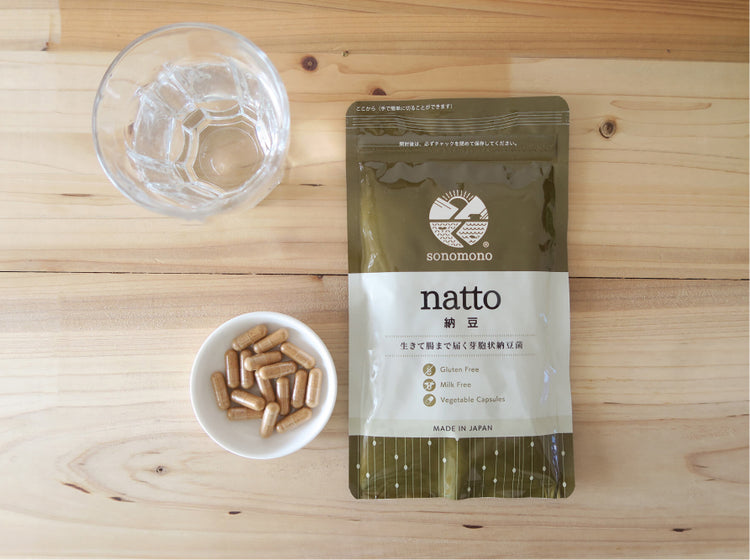
Not everyone likes the taste or texture of natto. Some people choose products made from whole fermented soybeans instead. Others compare the best nattokinase supplements before deciding what suits them best.
What does the research say?
Scientists are still learning more about fermented foods.
Current research suggests that foods containing probiotics may help support a healthy gut. Studies also suggest that nutrients found in natto, such as Vitamin K2 MK-7, may support healthy ageing as part of a balanced diet.
Even so, no single food can replace healthy eating, regular exercise and good daily habits.
Should you eat fermented foods every day?
Many people enjoy eating fermented foods every day, but there is no need to eat large amounts.
If you're new to fermented foods, start with small portions and see how your body responds. Eating a variety of healthy foods is always the best approach.
Conclusion
Adding fermented foods to your meals is a simple way to enjoy different nutrients and beneficial bacteria. Whether you choose yoghurt, kefir, kimchi or fermented soybeans, each food has something different to offer.
The best results come from eating a balanced diet and building healthy habits that you can keep over time.
One Living Alpha customer shared:
"I've been taking three natto capsules every day for over a year. My digestive routine feels much more settled than before. I can't say the capsules are the only reason, but I've been pleased enough with the experience to continue using them."
This is one person's experience and should not be seen as proof that everyone will get the same results. It simply shows how a simple daily habit can become part of a long-term wellness routine.
Frequently Asked Questions
1. Which fermented foods have the most health benefits?
Different fermented foods offer different benefits. Japanese natto contains Vitamin K2 MK-7 and nattokinase, while kefir, kimchi and sauerkraut are rich in probiotics. Eating a variety of fermented foods is the best way to enjoy their benefits.
2. What are the benefits of fermented foods?
Fermented foods may help support gut health because they contain beneficial bacteria. Some also provide vitamins and nutrients that can support your overall health.
3. Do all fermented foods contain probiotics?
Not always. Some fermented foods contain live probiotics, while others may lose them during cooking or processing. Check the label if you're looking for products with live cultures.
4. Why are fermented soybeans different?
Fermented soybeans, also known as natto, naturally contain Vitamin K2 MK-7 and nattokinase. These nutrients are being studied for their possible role in supporting bone health, heart health and healthy ageing.
5. Should I take nattokinase supplements instead of eating fermented foods?
Whole fermented foods provide a range of natural nutrients. If you're thinking about taking the best nattokinase supplements, it's a good idea to speak with a healthcare professional to find out what's right for you.