How Natto May Help Balance the Gut Microbiome
The gut microbiome plays a key role in digestion and overall health. Learn how fermented foods like natto support beneficial bacteria and help maintain a balanced gut.
Lately people have become really interested in the gut microbiome. This is because scientists are learning more about how important it's for our overall health. The digestive system is home to trillions of microorganisms that help us break down food, absorb nutrients and keep our immune system working properly. When these tiny microbes are in balance our body works efficiently. Things like our diet, stress and lifestyle habits can disrupt this balance. That is why a lot of people are now focusing on eating foods that support gut health like fermented foods such as Japanese natto.
What the Gut Microbiome Means for Digestive Health
The gut microbiome is like a community of bacteria and microorganisms that live in our digestive system. These tiny microbes help us digest food, make vitamins and keep our digestive system healthy.
When the gut microbiome is balanced our digestion usually works smoothly. Our body absorbs nutrients more effectively. When the balance is disrupted we may experience digestive discomfort and other health issues. This is why nutrition experts often talk about ways to improve gut health through our diet and lifestyle.
Why Gut Health Is Important for Overall Wellbeing
Maintaining good gut health is essential for more than just digestion. A healthy gut microbiome also supports immune function and may influence metabolism and overall wellbeing.
One of the most effective ways to support the microbiome is by eating foods that nourish beneficial bacteria. This includes fibre-rich foods as well as gut microbiome foods that naturally contain helpful microorganisms.
Fermented Foods for Gut Health
Fermented foods have long been part of traditional diets in many cultures. During fermentation, beneficial bacteria grow and create compounds that may support digestion.
Examples of fermented foods for gut health include yogurt, kefir, kimchi, sauerkraut, and fermented soy products. These foods often contain probiotics for gut health, which help support the balance of microorganisms in the digestive system.
Because of their beneficial bacteria, fermented foods are often considered some of the most healthy foods for digestion.
How Japanese Natto Supports the Gut Microbiome
One fermented food that has gained attention for digestive health is Japanese natto. Natto is made by fermenting soybeans with a beneficial bacterium known as Bacillus subtilis. This fermentation process creates a sticky, nutrient-rich food that contains probiotics and other beneficial compounds.
The natto benefits are largely connected to its fermentation process. The beneficial bacteria involved in fermentation may help support the balance of microbes in the digestive system. Because of this, natto is often included in discussions about gut microbiome foods.
Interest in natto has also increased outside Japan, and people searching for natto in UK are now finding it in Asian grocery stores and specialty health food shops.
Nutritional Benefits of Natto for Digestion
Beyond probiotics, natto contains fibre, protein, and important nutrients that contribute to digestive wellness. Fibre helps feed beneficial gut bacteria, while fermented compounds support microbial diversity in the digestive system.
Some people also explore gut health supplements, but many nutrition experts suggest starting with whole foods such as fermented vegetables and soy products like natto.
Including a variety of fermented foods along with fibre-rich meals can help create a more balanced digestive environment.
Easy Ways to Add Natto to Your Daily Diet
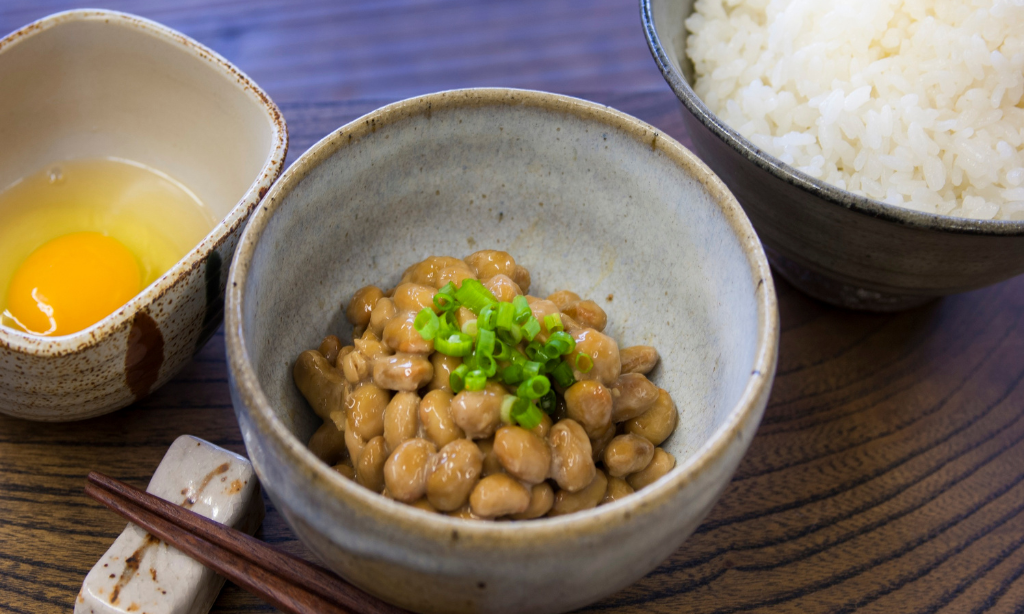
In Japan, natto is commonly served with rice and mixed with soy sauce or mustard. Some people also combine it with vegetables, salads, or noodles.
If you are new to natto, its taste and texture may feel unusual at first. However, many people gradually get used to it once they understand its nutritional value and health benefits.
Adding small portions of natto to meals is an easy way to include more gut microbiome foods in everyday nutrition.
Conclusion
Supporting the gut microbiome does not require complicated diets. Simple choices, such as including fermented foods in daily meals, can make a meaningful difference. Japanese natto is one example of a traditional fermented food that provides beneficial bacteria and nutrients that support digestive balance. By including fermented foods for gut health like natto in a balanced diet, people can take practical steps toward improving digestion and maintaining long-term gut health.
Frequently Asked Questions
1. What is the gut microbiome?
The gut microbiome refers to the collection of bacteria and microorganisms that live in our digestive system and help with digestion and overall health.
2. How can I improve my gut health naturally?
Eating fermented foods increasing your fibre intake and including a variety of gut microbiome foods can help support balance.
3. Is natto good for gut health?
Yes, natto is good for gut health. The fermentation process used to make Japanese natto creates bacteria that may support the gut microbiome.