Natto vs Multivitamins: Which Fits Better Into a Healthy Lifestyle?
Should you choose Japanese natto or multivitamins? Explore the differences between traditional fermented foods and modern supplements, and discover how both can fit into a healthy lifestyle and healthy ageing journey.

When it comes to supporting our health, many of us face the same question: should we focus on nutrient-rich foods or rely on daily supplements? This question often comes up when discussing Japanese natto, a traditional food made from fermented soybeans, and multivitamins.
While both can play a role in supporting a healthy lifestyle, they serve different purposes. Understanding the differences can help you make choices that work best for your own routine and wellbeing.
What Is Japanese Natto?
If you've never heard of Japanese natto, you're not alone. Natto is a traditional Japanese food made by fermenting soybeans using beneficial bacteria. It has been eaten in Japan for hundreds of years and remains a regular part of many people's diets.
Natto is known for its sticky texture, strong flavour, and impressive nutritional profile. It naturally contains protein, fibre, vitamins, minerals, and compounds produced during fermentation.
Although it may not be the easiest food to introduce into your diet, many people interested in healthy ageing and traditional nutrition find it fascinating.
What Are Multivitamins?
Multivitamins are supplements designed to provide a range of vitamins and minerals in a convenient form. Many people take them to help support their daily nutritional intake, especially when they feel their diet may not always provide everything they need.
For busy lifestyles, multivitamins can be a practical option. However, they are usually intended to complement a balanced diet rather than replace one.
Comparing Natto and Multivitamins
What surprised me when learning about natto benefits was that the comparison isn't really about choosing one over the other.
Japanese Natto Offers:
-
A whole food source of nutrition
-
Plant-based protein
-
Dietary fibre
-
Naturally fermented compounds
-
A long history in traditional diets
Multivitamins Offer:
-
Convenience
-
Consistent nutrient intake
-
Easy daily use
-
A wide range of vitamins and minerals
In many ways, comparing natto and multivitamins is like comparing fresh food with nutritional support—they can serve different purposes.
Why Do People Explore Natto?
One reason Japanese natto attracts so much attention is its connection to Japanese wellness and healthy ageing.
Researchers and health enthusiasts often discuss Japanese dietary habits because of Japan's reputation for longevity. However, the biggest lesson I learned is that no single food or supplement creates good health.
Instead, factors such as balanced eating, regular movement, sleep quality, stress management, and consistency appear to play the biggest role.
What If You Don't Like Natto?
Let's be honest: not everyone enjoys the taste or texture of natto.
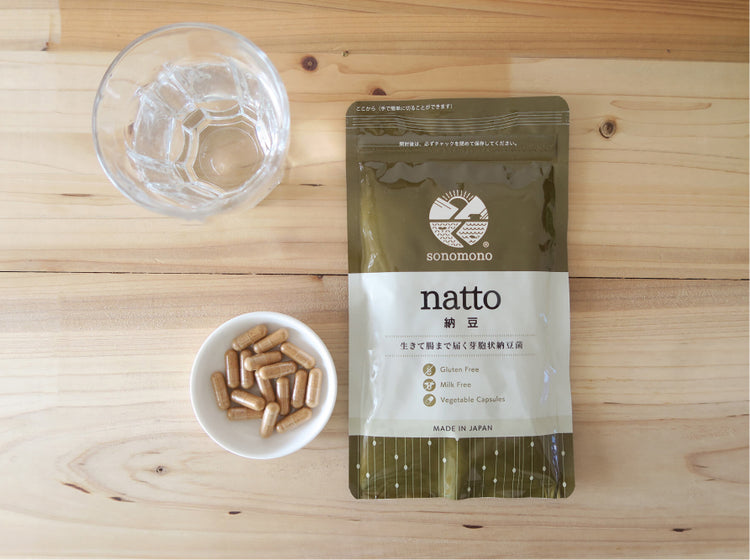
This is one reason some people who are interested in traditional Japanese nutrition research alternatives and compare the best nattokinase supplements available to them. For many, the goal is simply to find an approach that fits comfortably into their everyday lifestyle.
What Customers Say
One Sonomono customer shared:
"I think natto bacteria are good for the intestines and the body. I used to have many days where I felt sick, but since I started taking this I am feeling great. It is indispensable."
I think this review highlights an important point: the best health habits are often the ones you can maintain consistently.
Frequently Asked Questions
1. What is Japanese natto?
Japanese natto is a traditional food made from fermented soybeans and has been eaten in Japan for generations.
2. Can Japanese natto replace multivitamins?
Japanese natto and multivitamins serve different purposes. Many people choose to include nutrient-rich foods as part of a balanced lifestyle.
3. What are the benefits of fermented soybeans?
Fermented soybeans contain protein, fibre, vitamins, minerals, and compounds produced during the fermentation process.
4. Why do people take multivitamins?
Many people take multivitamins to help support their daily nutrient intake and complement their diet.
5. How does natto fit into a healthy lifestyle?
Japanese natto can be included as part of a balanced diet alongside regular exercise, quality sleep, and other healthy lifestyle habits.