The Link Between Gut Health And Healthy Ageing
Discover the connection between gut health and healthy ageing. Learn how the gut microbiome, fermented foods, and traditional options like Japanese natto are becoming part of conversations about long-term wellbeing and a balanced longevity lifestyle.

When people think about healthy ageing, they often focus on exercise, sleep, and staying active. While these habits are important, another factor is receiving increasing attention: gut health.
Scientists continue to explore the connection between the gut microbiome and overall wellbeing. Although research is still evolving, many experts believe that maintaining a healthy digestive system may play an important role in supporting long-term health as we age.
This growing interest has encouraged more people to learn about nutrition, lifestyle habits, and traditional foods that support digestive wellness.
What Is the Gut Microbiome?
The gut microbiome refers to the collection of microorganisms that naturally live in the digestive system. These microorganisms form a complex ecosystem that researchers continue to study.
Over the years, growing awareness of the microbiome has changed how people think about gut health. Rather than viewing digestion as an isolated process, many now recognise that digestive wellbeing is connected to overall lifestyle habits and nutrition choices.
Why Gut Health Matters As We Age
As we get older, our health priorities often change. Many people become more interested in maintaining energy levels, staying active, and supporting their overall wellbeing.
This is one reason why discussions around healthy ageing increasingly include digestive wellness. While there is no single secret to ageing well, many experts agree that a balanced lifestyle plays an important role.
Supporting digestive health through everyday habits may help people maintain a positive approach to long-term wellbeing.
The Role of Fermented Foods
One area attracting significant interest is fermented foods.
For centuries, cultures around the world have included fermented foods in their traditional diets. Examples include yoghurt, kefir, kimchi, sauerkraut, miso, and Japanese natto.
These foods are valued not only for their unique flavours but also for their connection to traditional eating patterns. As more people explore ways to support gut health, fermented foods continue to be a popular topic of discussion.
Japanese Natto and Traditional Wellness
Among fermented foods, Japanese natto has received growing attention in recent years.
Made from fermented soybeans, natto has been part of Japanese food culture for generations. It is often mentioned in conversations about Japanese wellness traditions and balanced lifestyles.
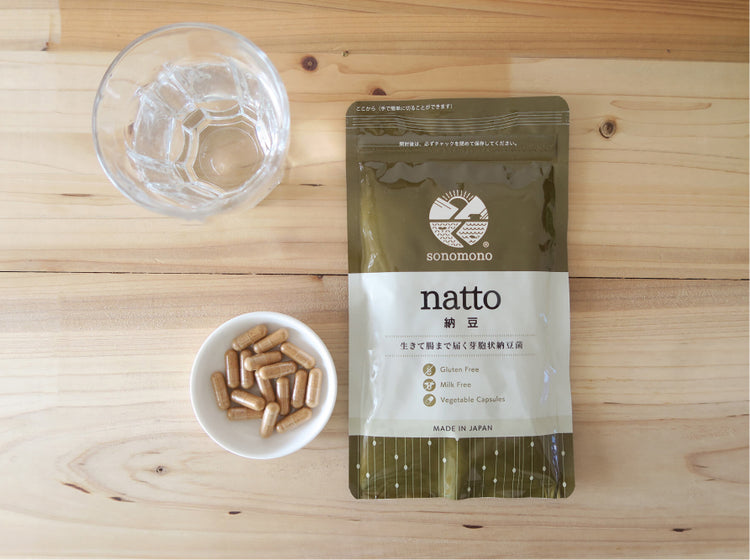
Many people interested in traditional nutrition also research products connected to natto and compare options when exploring the best nattokinase supplements. While supplements and foods serve different purposes, both reflect a broader interest in learning from long-established dietary practices.
Practical Tips for Supporting Gut Health
Looking after your digestive wellbeing does not need to be complicated. Simple habits can make a meaningful difference over time:
-
Eat a balanced and varied diet.
-
Include fibre-rich foods in your meals.
-
Stay hydrated throughout the day.
-
Enjoy fermented foods as part of a healthy eating pattern.
-
Stay physically active.
-
Prioritise quality sleep.
The most sustainable habits are often the ones that fit naturally into everyday life.
What Customers Say
One Sonomono customer shared:
"The capsules are small and easy to swallow, and I appreciate that there is very little smell. They've been simple to add to my daily routine."
Another customer explained:
"Eating natto every day can be difficult, so I like having a convenient alternative. I take three capsules daily and plan to continue making them part of my routine."
This highlights how simple wellness habits are often easier to maintain when they become part of a daily routine.
Frequently Asked Questions
1. What is gut health?
Gut health refers to the overall wellbeing of the digestive system and the microorganisms that naturally live within it.
2. Why is gut health important as we age?
Many people consider digestive wellbeing an important part of maintaining overall health and supporting healthy ageing.
3. What is the gut microbiome?
The gut microbiome is the collection of microorganisms that naturally exist in the digestive system.
4. Which foods support a healthy gut?
Fibre-rich foods, fruits, vegetables, and fermented foods are commonly included in discussions about gut health.
5. Can fermented foods be part of a healthy ageing lifestyle?
Many traditional diets include fermented foods, and they are often discussed as part of balanced eating habits and long-term wellbeing.