Nattokinase vs Fish Oil: Which Supports Heart Health Better?
Nattokinase and fish oil come from very different traditions but are often discussed in relation to heart health. Learn how they differ and why more people are exploring Japanese natto as part of a balanced wellness lifestyle.

When it comes to supporting heart health, fish oil has long been one of the most popular supplements. Rich in omega-3 fatty acids, it is commonly included in discussions about overall wellbeing and cardiovascular support.
In recent years, however, another ingredient has attracted growing attention: nattokinase. Derived from Japanese natto, a traditional food made from fermented soybeans, nattokinase is becoming increasingly popular among people exploring different approaches to wellness.
So, when comparing nattokinase vs fish oil, what should consumers know?
Understanding Fish Oil
Fish oil is typically sourced from oily fish such as salmon, mackerel, and sardines. It contains omega-3 fatty acids, which have been widely studied for their role in general health.
Because of this, omega 3 supplements are commonly chosen by individuals looking to support a balanced lifestyle.
Fish oil has become a familiar part of many people's wellness routines and remains one of the most recognised supplements worldwide.
Understanding Nattokinase
Nattokinase has a very different origin. It is linked to Japanese natto, a traditional food that has been eaten in Japan for centuries.
As soybeans undergo fermentation, they develop unique compounds, including nattokinase. This connection to traditional food preparation is one reason why interest in nattokinase benefits continues to grow.
Many people exploring Japanese natto are also interested in learning how traditional dietary practices may contribute to long-term wellbeing.
Key Differences Between Nattokinase and Fish Oil
Although both are frequently discussed in conversations about cardiovascular health, they are quite different.
Fish Oil
-
Derived from fish
-
Contains omega-3 fatty acids
-
Commonly available in capsules and liquids
-
Popular worldwide
Nattokinase
-
Derived from fermented soybeans
-
Connected to traditional Japanese food culture
-
Created through fermentation
-
Often associated with Japanese wellness
Rather than competing directly, these ingredients represent two different approaches to nutritional support.
Supporting Healthy Lifestyle Habits
Whether someone chooses fish oil, nattokinase, or neither, experts generally agree that lifestyle habits remain important.
Supporting healthy circulation and overall wellbeing often involves:
-
Staying physically active
-
Eating a balanced diet
-
Managing stress levels
-
Prioritising sleep
-
Maintaining consistent daily habits
Supplements are often viewed as additions to these habits rather than replacements for them.
Practical Tips for Consumers
If you're considering either option, keep the following in mind:
-
Learn about the source of the ingredient.
-
Research reputable brands.
-
Consider your personal dietary preferences.
-
Focus on long-term lifestyle habits.
-
Compare quality standards when searching for the best nattokinase supplement.
Making informed choices is often more valuable than following trends.
What Customers Say
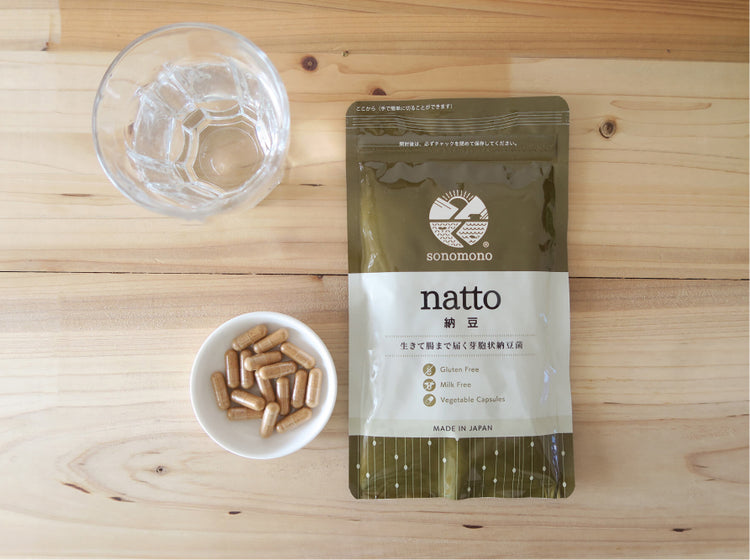
Many Sonomono customers first became interested in natto-inspired wellness while researching traditional Japanese foods.
One customer shared:
“I started using Sonomono Natto regularly, and before I knew it, three years had passed. Over time, it became my preferred choice, and I no longer felt the need to buy traditional natto separately. I plan to continue using it for years to come.”
Another customer explained:
"I've been using Sonomono for a long time, and it has become a regular part of my routine. I'm happy to continue using it and wish the Sonomono team all the best."
These experiences highlight how convenience and consistency often influence long-term wellness habits.
Conclusion
The discussion around nattokinase vs fish oil is not necessarily about choosing a winner. Both have attracted attention for different reasons and come from very different traditions.
Fish oil remains a well-known source of omega-3 fatty acids, while nattokinase offers a connection to Japanese natto, fermentation, and traditional wellness practices.
Ultimately, the best approach is often one that fits naturally into your lifestyle and supports your long-term wellbeing goals.
Frequently Asked Questions
1. What is the main difference between nattokinase and fish oil?
Fish oil comes from fish and contains omega-3 fatty acids, while nattokinase is linked to fermented soybeans used to make Japanese natto.
2. What is Japanese natto?
Japanese natto is a traditional food made by fermenting soybeans with beneficial bacteria.
3. Why are people interested in nattokinase benefits?
Many people explore nattokinase as part of broader discussions around Japanese wellness and traditional nutrition.
4. Are omega 3 supplements the same as nattokinase?
No. Omega-3 supplements and nattokinase are different ingredients with different origins.
5. Why are some people interested in freeze-dried natto supplements?
Many people are curious about Japanese wellness traditions but may not regularly eat traditional natto. Freeze-dried natto products such as Sonomono provide a practical way to explore natto-inspired wellness as part of a balanced lifestyle.