The UK Has a Longevity Problem. Fermented Foods Might Be the Answer
We commissioned the research. The findings are stark and the solution is simpler than you think.
The average person in the UK lives roughly four years less than someone in Japan. That's not a small gap. That's four years of life and for many Britons, the years lost aren't just at the end. They're the healthy, active ones in the middle.
We wanted to understand why.
So we commissioned a nationally representative survey of 2,000 UK adults and worked with researchers to build one of the most comprehensive reports on British health and diet published this year. The result is the Fermented Foods & the Longevity Gap — State of the Nation 2026 Report, and today we're making it available to read in full.
What the data shows
The picture isn't pretty. Nearly half of UK adults experience chronic digestive discomfort. Premature deaths from cardiovascular disease are rising for the first time in 50 years. And over 55% of the average British diet now comes from ultra-processed foods — the highest rate in Europe.
Meanwhile, in Japan, age-adjusted heart disease death rates are less than half of ours. In South Korea, adult obesity sits at around 6%, compared to 29% here. These aren't genetic accidents. They're the result of what people eat, every single day.
The fermentation gap
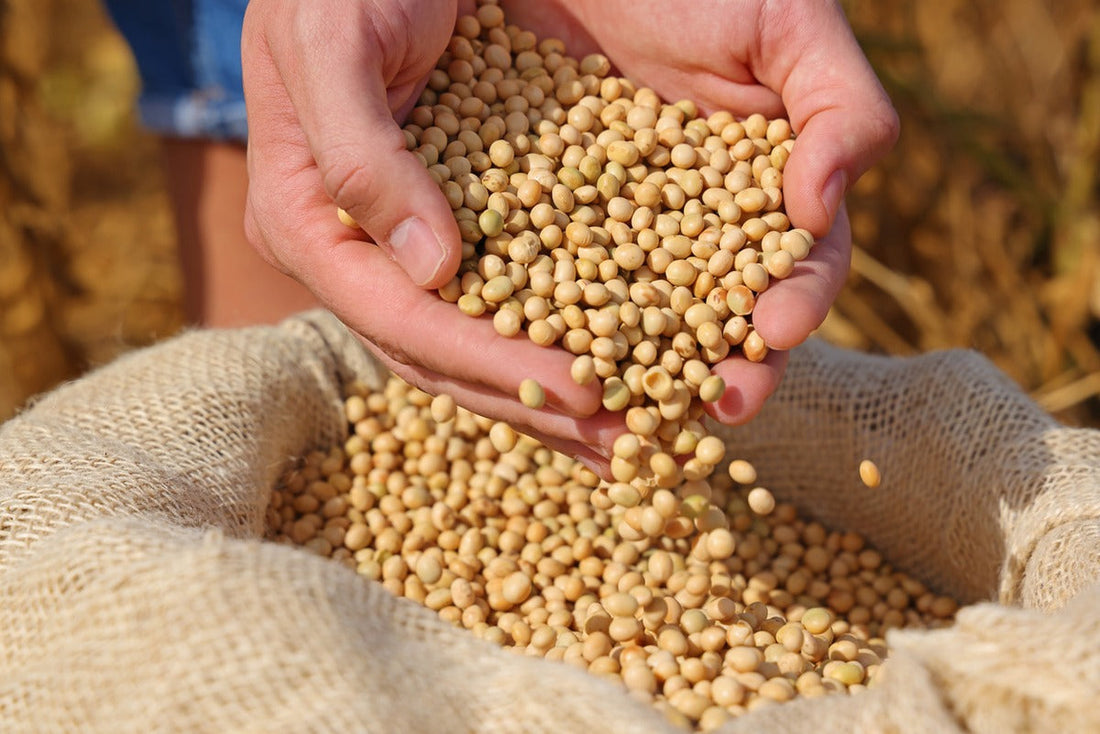
One pattern kept emerging from the research: cultures with the best health outcomes eat fermented foods daily. Miso and nattō in Japan. Kimchi in Korea. Fermented dairy across the Mediterranean. These foods do something modern diets simply don't — they actively support the gut, reduce systemic inflammation, and deliver nutrients like Vitamin K2 that are almost entirely absent from a typical British plate.
In the UK, fermented food consumption is largely limited to yoghurt and aged cheese. Fewer than 8% of Britons eat nattō, kimchi, miso, or sauerkraut on a weekly basis.
That gap has consequences.
Why this matters for you
The report found that 72% of UK adults said they would consider eating more fermented foods if they knew it would improve their health. Awareness, not willingness, is the barrier.
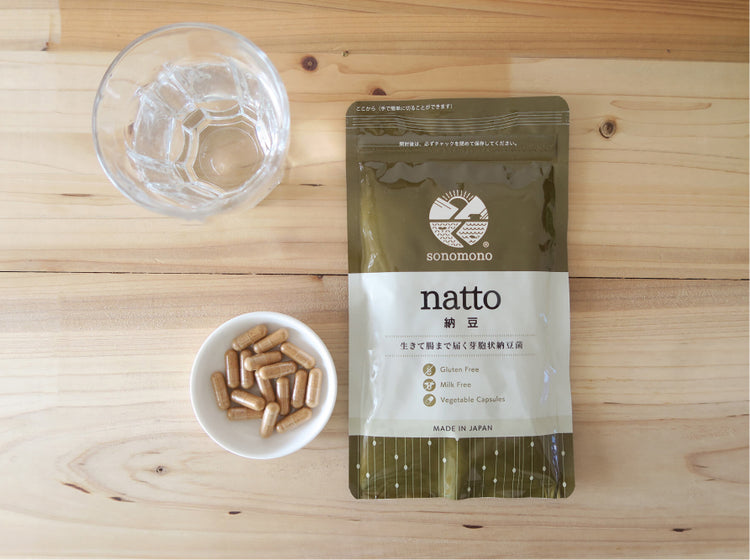
That's exactly why we built sonomono — to make the most clinically compelling fermented food on the planet, nattō, accessible in a format that works for a British lifestyle. No smell. No texture. One capsule a day.
But this report isn't a sales pitch. It's a resource. We want it read, shared, and acted on — by individuals, healthcare professionals, and policymakers alike.
Download the full report below.