Traditional Japanese Diet Secrets: What We Can Learn for Longevity
Discover how the traditional Japanese diet supports longevity by using whole foods, fermented ingredients, mindful portions, and balanced nutrition. Learn simple habits that help promote healthy aging and long-term well-being.

Japan is consistently ranked among the countries with the highest life expectancy in the world. While many factors influence longevity, diet plays a meaningful role. The traditional Japanese diet is not built around extreme restrictions or trendy superfoods. Instead, it focuses on balance, simplicity, and consistency. Meals are built from whole ingredients, eaten mindfully, and enjoyed in moderate portions. These small, sustainable habits practiced daily over decades offer valuable lessons for anyone interested in healthy aging and long-term well-being.
Core Principles of the Traditional Japanese Diet
Whole, Minimally Processed Foods
The traditional Japanese diet emphasizes foods in their natural state: fresh vegetables, whole grains like brown rice, seasonal fruits, and seafood. Heavily processed foods are rare. This approach provides the body with essential vitamins, minerals, and fiber without added sugars, unhealthy fats, or artificial ingredients. Eating nutrient-dense foods helps maintain stable energy levels and reduces the risk of chronic diseases.
High Vegetable Intake
Vegetables are central to most meals. Leafy greens, root vegetables, mushrooms, and sea vegetables add variety and micronutrients. A fiber-rich plate naturally supports gut health and encourages a diverse gut microbiome, which plays a role in immunity and metabolic balance.
Regular Fermented Foods
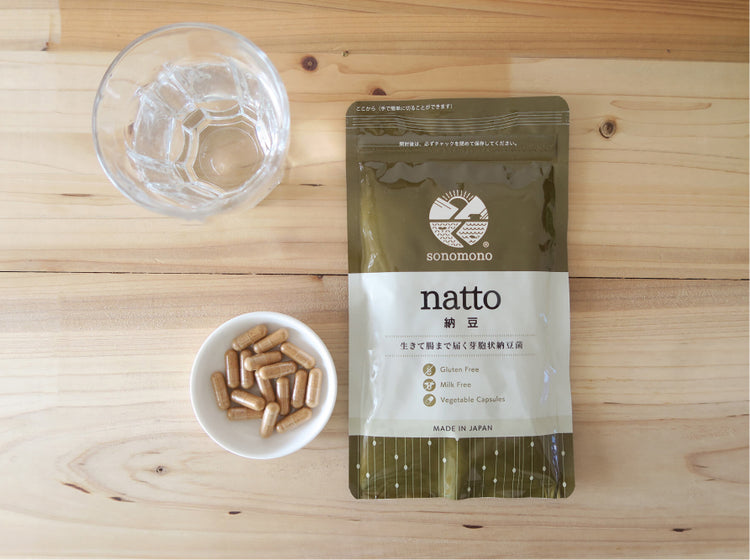
Fermented foods such as miso, natto, and pickled vegetables are eaten regularly. These foods introduce beneficial bacteria that support digestion and nutrient absorption. Natto, in particular, is a source of vitamin K2 (MK-7), a nutrient linked to cardiovascular and bone support, including maintaining bone health after 40. Fermentation also enhances nutrient availability, making meals both traditional and functional.
More Fish, Less Red Meat
Fish is the primary protein source in traditional Japanese meals. Oily fish like salmon, mackerel, and sardines provide omega-3 fatty acids that support brain function, reduce inflammation, and promote heart health. Red meat consumption is minimal, which may contribute to lower rates of heart disease and certain cancers. This balance of protein sources supports healthy aging without overburdening the body.
Hara Hachi Bu: Eat Until 80% Full
One of the most well-known practices is hara hachi bu, a cultural habit of eating until about 80% full. This gentle portion awareness helps prevent overeating without strict dieting. By slowing down and paying attention to hunger signals, people naturally maintain a healthier weight and more stable blood sugar levels.
What This Means for Longevity
These principles work together in subtle but powerful ways. A diet rich in vegetables, fish, and fermented foods promotes gut health and stable energy. Portion awareness reduces metabolic strain. Nutrient-dense foods supply essential vitamins and minerals without excess calories. When combined with an active lifestyle, this approach may lower inflammation and support healthy aging over time.
Modern habits, including processed meals and rushed eating, often move us in the opposite direction. Reflecting on how modern life disrupts gut health can help us appreciate the value of traditional eating patterns that prioritize balance and rhythm.
Conclusion
The secrets of the traditional Japanese diet are not mysterious. They revolve around whole foods, mindful portions, and consistency. Longevity is rarely the result of one single ingredient; it's built through everyday patterns that support gut health, metabolic balance, and steady nourishment. By adopting even a few of these principles, you can move toward healthier aging in a calm, realistic way.