What Is Low-Grade Inflammation and Why You May Have It Without Realizing
Low-grade inflammation rarely causes pain, yet it quietly disrupts energy, digestion, mood and weight regulation. Often unnoticed for years, it reflects how modern lifestyles keep the body in a constant state of defence rather than repair.

You do not need to feel ill to be unwell.
Low-grade inflammation is a common yet often overlooked cause of fatigue, digestive discomfort, persistent weight gain and low mood. Unlike acute inflammation, which is the body’s visible response to injury or infection, low-grade inflammation develops quietly over time, often without noticeable symptoms.
By the time medical tests detect it, the underlying damage may have been present for years.
Understanding Low-Grade Inflammation
Low-grade inflammation, also known as chronic systemic inflammation, occurs when the immune system remains mildly active at all times. Instead of deactivating in response to a threat, the body continues to produce inflammatory chemicals that disrupt normal function.
This ongoing immune activity disrupts:
- Hormonal balance
- Blood sugar regulation
- Gut barrier integrity
- Brain chemistry and neurotransmitters
As a result, the body remains in defense mode rather than shifting to repair.
Why It Has Become So Common
Modern lifestyles unintentionally encourage inflammatory pathways.
Key drivers include:
- Diets high in ultra-processed foods and refined carbohydrates
- Poor sleep quality and inconsistent routines
- Psychological stress and long working hours
- Lack of regular movement
- Imbalance in gut bacteria
- Excess abdominal fat
Even individuals who appear healthy may have internal inflammation caused by daily habits.
The Hidden Symptoms
Low-grade inflammation rarely causes pain. Instead, it presents as persistent but non-specific symptoms:
- Tiredness that does not improve with rest
- Poor focus or mental “fog”
- Bloating or digestive irregularity
- Cravings for sugar or salty foods
- Stiffness on waking
- Mood changes without clear triggers
These symptoms are often attributed to stress or ageing, which allows inflammation to persist.
The Gut Is the Starting Point
The digestive system plays a central role in regulating inflammation.
When the gut lining is compromised, bacterial by-products can enter the bloodstream and stimulate the immune system. This keeps inflammation active even in the absence of a true threat.
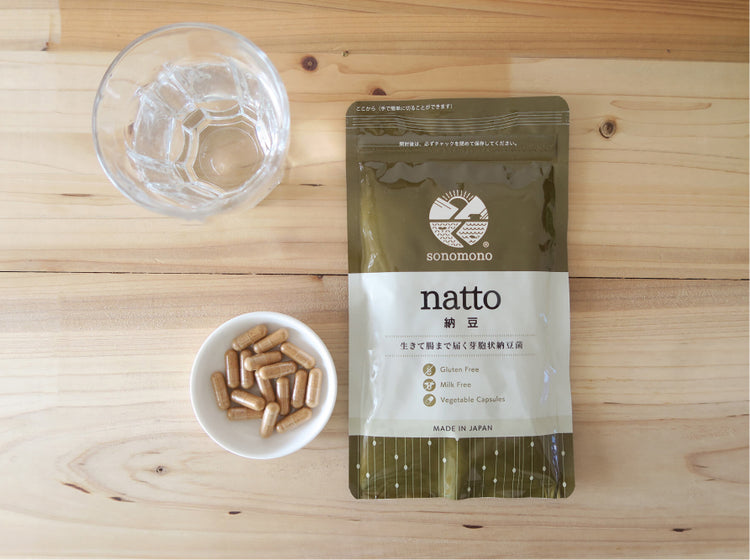
For this reason, Living Alpha places gut integrity at the centre of its wellness philosophy, using nutrition, lifestyle alignment and the traditional benefits of natto to support the microbiome and address inflammation at its source.
Why Inflammation Makes Weight Loss Harder
Inflammation impairs insulin sensitivity and disrupts hormones that regulate appetite, such as leptin and ghrelin. This results in:
- Increased fat storage
- Blunted fullness signals
- Heightened cravings
- Resistance to conventional dieting
For many, weight management challenges are not due to lack of willpower but are related to inflammation.
Restoring Balance Naturally
Reducing inflammation does not require extreme measures; rather, it requires consistent effort.
Effective foundations include:
- Regular sleep and waking times
- Gentle daily movement, such as walking
- Whole foods rich in fibre and fermented nutrients
- Limiting alcohol and ultra-processed meals
- Supporting gut health with targeted supplementation when appropriate
Living Alpha encourages these sustainable habits to help the body transition from defence to restoration.
Q&A: Low-Grade Inflammation Explained
Q1. Can I have inflammation without pain?
Yes. Most chronic inflammation is silent, presenting as fatigue, digestive issues and metabolic imbalance.
Q2. How is it detected?
Blood markers such as CRP may indicate inflammation, but symptoms usually appear long before test results change.
Q3. Does stress contribute?
Absolutely. Prolonged stress increases cortisol, which directly amplifies inflammatory activity.
Q4. Is weight gain the cause or the effect?
Both. Inflammation promotes fat storage, and fat tissue releases inflammatory compounds.
Q5. How quickly can improvement occur?
Many people notice positive changes within weeks when sleep, gut health, and lifestyle routines are consistently supported.
Low-grade inflammation often goes unnoticed. By recognising the signs, you can begin to restore balance quietly, naturally and for the long term.