Why Okinawa And Japan Continue To Fascinate Longevity Researchers
Explore why Okinawa and Japan remain global symbols of healthy ageing. Learn how lifestyle habits, traditional foods like Japanese natto, and a balanced longevity lifestyle continue to attract the attention of researchers worldwide.
Around the world, researchers are constantly searching for clues about how people can live longer, healthier lives. One place that continues to attract attention is Japan, particularly the island of Okinawa.
Known for its high number of older adults and centenarians, Okinawa has become a popular subject in discussions about Japanese longevity and healthy ageing. While there is no single secret behind long life, researchers believe that a combination of lifestyle habits, nutrition, and social connections may help explain why this region continues to fascinate experts.
Why Researchers Study Okinawa
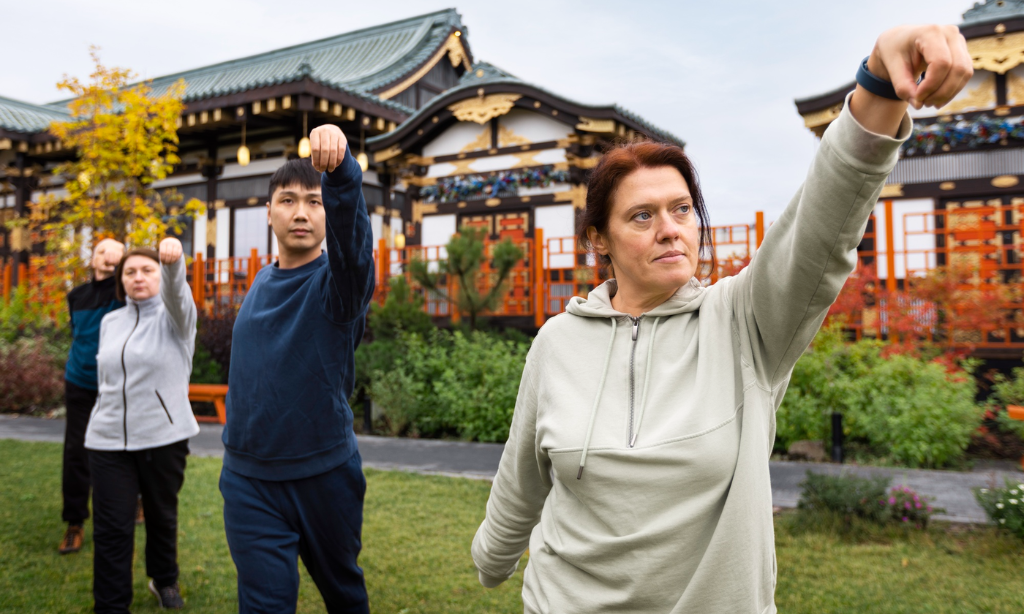
Okinawa is often mentioned when discussing populations that enjoy long and active lives. Many older residents remain physically active, socially connected, and engaged in their communities well into later life.
This has led scientists to investigate the factors that may contribute to Okinawa longevity. Rather than focusing on one food or habit, researchers typically look at the bigger picture, including diet, movement, relationships, and overall lifestyle patterns.
Why Japanese People Live Longer
When people ask why Japanese people live longer, there is rarely a simple answer.
Many experts point to a combination of factors, including:
-
Balanced eating habits
-
Regular physical activity
-
Strong social connections
-
A sense of purpose and community
-
Consistent daily routines
Together, these habits contribute to what many people describe as a longevity lifestyle. Instead of relying on quick fixes, the focus is often on sustainable behaviours that can be maintained for decades.
The Role of Traditional Foods
Food is another area that attracts significant interest among longevity researchers.
Traditional Japanese meals often include vegetables, fish, seaweed, legumes, and fermented foods. One example is Japanese natto, a fermented soybean food that has been enjoyed in Japan for generations.
Although natto's unique texture is not for everyone, it continues to be discussed because of its place within traditional Japanese diets. As people become more interested in Japanese wellness practices, foods like natto frequently appear in conversations about nutrition and healthy ageing.
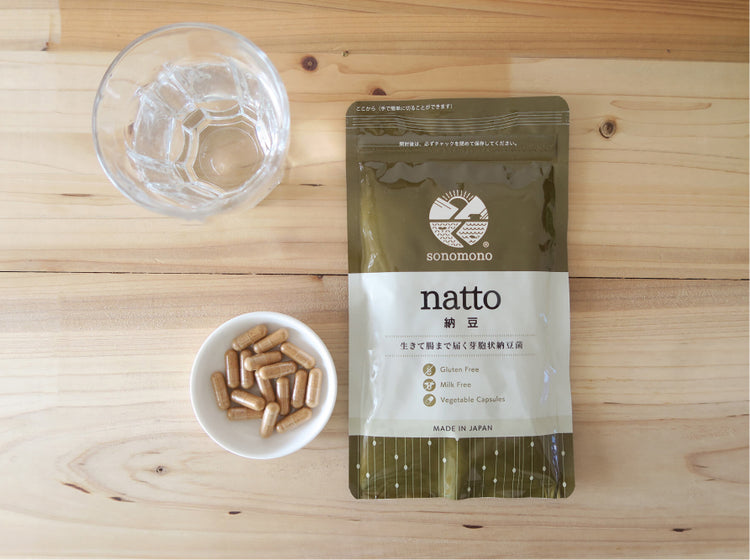
Some consumers who are curious about natto also research products connected to these traditions and compare options when exploring the best nattokinase supplements.
Key Lessons From Japanese Longevity
While every culture is different, there are several practical lessons that people can take from the Japanese approach to wellbeing:
-
Focus on consistency rather than perfection.
-
Stay physically active throughout life.
-
Prioritise social connections.
-
Enjoy a balanced and varied diet.
-
Make wellness habits part of everyday routines.
These simple principles can often be easier to maintain than complicated health plans.
Practical Tips for Everyday Life
If you're interested in applying some of these ideas to your own routine, consider:
-
Taking regular walks.
-
Spending more time with friends and family.
-
Choosing a variety of whole foods.
-
Practising moderation rather than restriction.
-
Building habits that you can maintain long term.
Small daily choices often have a greater impact than occasional bursts of motivation.
What Customers Say
One Sonomono customer shared:
"Eating natto every day is difficult, but these capsules are easy to swallow. I take 3 capsules daily. I'm not sure where the effects are showing, but I think my blood pressure has improved."
This reflects an important principle often associated with long-term wellness: habits are easier to maintain when they fit naturally into everyday life.
Frequently Asked Questions
1. Why is Okinawa famous for longevity?
Okinawa is known for its high number of centenarians and older adults who remain active and engaged in daily life. This has made the region a popular subject for longevity research.
2. Why do Japanese people live longer than many other populations?
Researchers believe that a combination of balanced nutrition, regular physical activity, strong social connections, and healthy lifestyle habits contributes to Japanese longevity.
3. What is the Okinawa diet?
The Okinawa diet is traditionally rich in vegetables, legumes, whole foods, and nutrient-dense ingredients. It is often discussed as part of Okinawa's reputation for healthy ageing.
4. What role does Japanese natto play in traditional diets?
Japanese natto is a fermented soybean food that has been consumed in Japan for generations. It remains a popular part of traditional Japanese food culture and wellness discussions.
5. What can we learn from Japanese wellness practices?
Japanese wellness practices often emphasise balance, consistency, daily movement, social connections, and mindful eating habits that can support long-term wellbeing and healthy ageing.