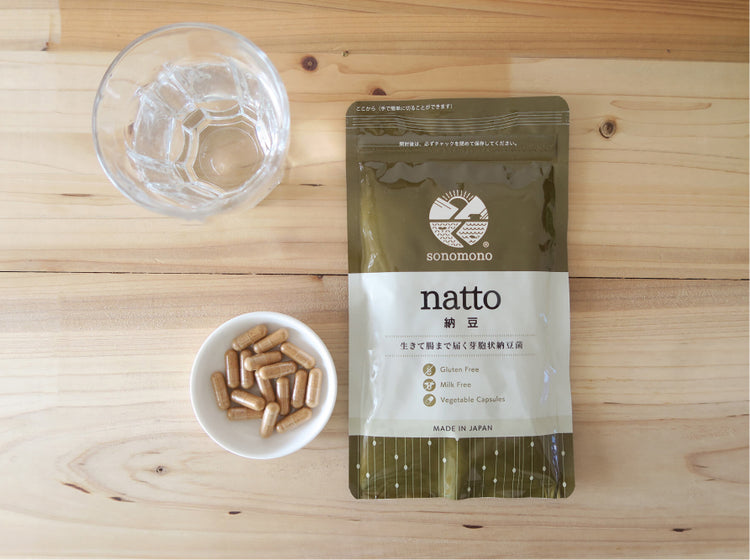
Why Vitamin K2 Intake Is Often Overlooked in Everyday Nutrition
Many people focus on calcium and vitamin D, but vitamin K2 often stays in the background. This guide explores what vitamin K2 is, where it comes from, and why steady intake matters for long-term nutrition.

Many people try to eat well by focusing on protein, calcium, or vitamins like D and C. Yet one important nutrient often stays in the background: vitamin K2. Despite its role in normal body processes, vitamin K2 intake is commonly overlooked in everyday nutrition.
What Is Vitamin K2?
Vitamin K is a fat-soluble vitamin that exists in different forms:
-
Vitamin K1, mainly found in leafy green vegetables
-
Vitamin K2, found in fermented foods and some animal sources
Vitamin K2 includes forms such as MK-7, which is often discussed because it remains active in the body for longer periods. Vitamin K2 supports the activation of certain proteins involved in calcium handling as part of normal physiology.
Why Vitamin K2 Is Easy to Miss
1. It’s Not Widely Talked About
Most nutrition advice focuses on calcium for bones or iron for energy. Vitamin K2 rarely gets the same attention, even though it plays a supportive role in how nutrients are used.
2. Modern Diets Include Fewer Fermented Foods
Traditional diets often included fermented foods regularly. Modern eating habits rely more on processed foods, which usually contain little to no vitamin K2.
Why Vitamin K2 Matters in Everyday Nutrition
Vitamin K2 is linked to the activation of proteins such as osteocalcin, which plays a role in normal bone physiology by helping guide calcium where it is needed.
In simple terms:
-
Calcium alone is not the full picture
-
Vitamin K2 supports how calcium is managed
-
Consistent intake matters more than occasional focus
This is supportive nutrition, not a medical treatment.
Why Consistency Is the Real Challenge
Vitamin K2 works best as part of a long-term nutrition pattern. Sporadic intake may not align with how the body uses this nutrient.
A realistic approach includes:
-
Repeatable food choices
-
Simple routines
-
Awareness rather than perfection
This consistency-first mindset often makes a bigger difference than chasing individual nutrients.
Who Should Be Careful
People taking medications that manage blood clotting, such as warfarin, should keep vitamin K intake stable. Sudden changes may not be appropriate.
Anyone with such considerations should consult a qualified healthcare professional before adjusting their diet.
Conclusion: Awareness Is the First Step
Vitamin K2 intake is often overlooked not because it’s unimportant, but because it’s misunderstood and underrepresented in modern diets. Learning where it comes from and why consistency matters helps bridge this gap.