Why Your Gut Feels Worse After Antibiotics and How to Support Recovery

Antibiotics are often necessary. They can be lifesaving when treating bacterial infections.
Many people notice that after finishing a course of antibiotics, they experience chronic bloating, discomfort, low energy, food sensitivities, or mood changes.
This is not accidental. Antibiotics target both harmful and beneficial bacteria, disrupting the gut's microbial balance. Understanding this process and how to support recovery can help the body regain equilibrium.
What Antibiotics Do to the Gut
Your gut contains trillions of bacteria that help with digestion, absorbing nutrients, supporting your immune system, and even your mental well-being. All these bacteria make up the gut microbiome.
Antibiotics kill the bacteria causing infection, but they can't always tell the difference between harmful and helpful bacteria. Because of this, taking antibiotics can:
- Reduce overall microbial diversity
- Disrupt digestion and nutrient metabolism
- Increase gut sensitivity and inflammation
- Change how the gut and brain communicate with each other
This disruption explains why your gut might feel worse after antibiotics instead of better.
Common Signs of Post-Antibiotic Gut Imbalance
People experience symptoms differently, but common signs are:
- Bloating or gas
- Irregular bowel movements
- New food sensitivities that you didn’t have before
- Fatigue or sluggish digestion
- Increased sugar cravings
- Brain fog or low mood
These symptoms don’t mean something is seriously wrong. They show your gut is adjusting.
Why Recovery Takes Time
Gut bacteria don’t come back right away. Some types recover in a few weeks, but others take longer, depending on things like:
- Duration and type of antibiotic used
- Stress levels during and after treatment
- Sleep quality
- Diet consistency
- Overall metabolic health
Taking a gentle, supportive approach works better than trying to reset your gut quickly.
Supporting Gut Recovery After Antibiotics
Gut recovery focuses on restoring rhythm and stability rather than forcing rapid change.
1. Focus on Digestive Consistency
Consistent meal timing supports digestive function. Skipping meals or eating irregularly can increase stress on a sensitive gut.
2. Support the Gut Barrier
Antibiotics may temporarily weaken the gut lining and increase sensitivity. Supporting the gut barrier with regular routines, adequate hydration, and nutrient-dense meals helps restore resilience.
3. Reduce Inflammatory Stressors
High stress, inadequate sleep, and ultra-processed foods can delay microbial recovery. Prioritizing rest and minimizing unnecessary stimulation support natural repair.
4. Consider Targeted Nutritional Support
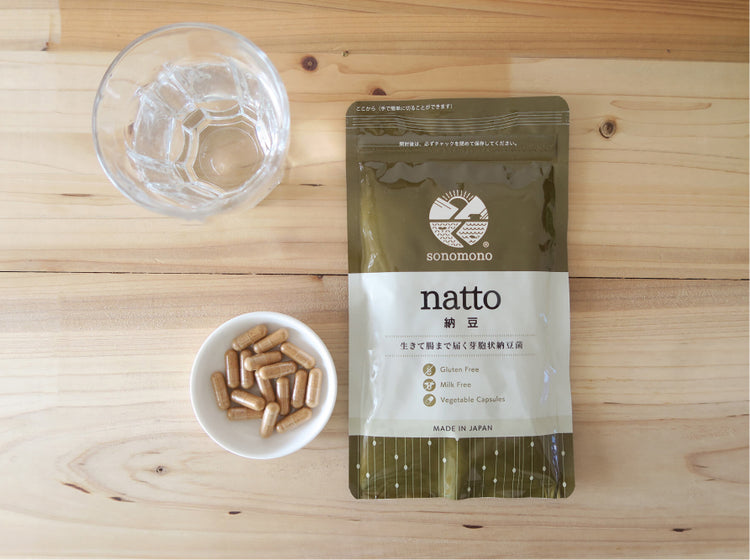
At Living Alpha, we offer structured daily gut support to help restore balance after disruption. Consistent support can stabilize the gut environment as microbial diversity returns.
Why “Fixing” the Gut Too Fast Can Backfire
After antibiotics, it can be tempting to try multiple interventions such as restrictive diets, heavy supplementation, or drastic cleanses. However, the gut typically responds better to steady, consistent care.
Overloading the system can increase bloating or discomfort, especially when the microbiome remains fragile. Gradual and predictable recovery is most effective.
The Gut–Brain Link After Antibiotics
Post-antibiotic gut imbalance doesn’t just affect digestion. Because the gut communicates with the brain through nerves, hormones, and immune signals, disruption may also influence:
- Mood stability
- Stress tolerance
- Mental clarity
Supporting gut recovery can help restore digestive comfort as well as emotional and cognitive balance.
A Long-Term Perspective on Gut Health
Antibiotics are sometimes unavoidable. The key is how the body is supported during recovery.
Gut recovery is not about perfection. It involves providing the conditions needed to re-establish equilibrium. Small, consistent steps often lead to sustainable improvements.
Living Alpha takes a long-term approach to gut health, emphasizing rhythm, stability, and daily support instead of extreme interventions.
Q&A: Gut Health After Antibiotics
Q: Is it normal for digestion to feel worse after antibiotics?
Yes. Antibiotics can disrupt beneficial gut bacteria, leading to a temporary digestive imbalance.
Q: How long does gut recovery take after antibiotics?
Recovery timelines vary. Some people notice improvement within weeks, while others may take a few months, depending on lifestyle and stress factors.
Q: Should I avoid certain foods after antibiotics?
Rather than strict avoidance, focusing on simple, consistent meals often supports better recovery.
Q: Can antibiotics affect mood and mental clarity?
They can indirectly. Gut imbalance can influence the gut–brain axis, affecting mood and focus.
Q: Is gut support after antibiotics always necessary?
Not always, but many people benefit from gentle, consistent support to help restore balance.