Beyond Calcium: What You Really Need for Strong Bones After 40
After 40, bone density naturally goes down. Learn why calcium alone isn't enough. Vitamin D, K2, magnesium, protein, and weight-bearing exercise all play a role in keeping bones strong.

After 40, taking care of your bones becomes more important than ever. Bone density naturally begins to decline with age, and this gradual loss can increase the risk of fractures later in life. Many people focus only on calcium, assuming it’s the single solution for strong bones. While calcium plays an essential role, it’s only one piece of a much bigger picture. True bone health after 40 depends on a combination of nutrients, movement, and daily habits that work together to protect and maintain your skeleton.
Why Calcium Alone Isn’t Enough
Bones are living tissue. They constantly break down and rebuild in a process known as remodeling. For this system to work properly, your body needs more than just calcium. Without the right supporting nutrients, calcium may not be absorbed efficiently or directed into your bones.
That’s where calcium and vitamin D work together. Vitamin D helps your body absorb calcium from food. Vitamin K2 supports the proper placement of calcium into bones instead of soft tissues. Magnesium contributes to bone structure and activates vitamin D, while protein provides the building blocks that maintain both muscle and bone strength. Together, these nutrients form a complete support system for maintaining healthy bone density.
Key Nutrients for Strong Bones After 40
Vitamin D
Vitamin D improves calcium absorption and supports overall bone density. Sunlight exposure and certain foods, like oily fish and fortified products, can help maintain healthy levels.
Vitamin K2 (MK-7)
Vitamin K2, especially in its MK-7 form, plays a crucial role in guiding calcium into bones where it belongs. It supports strong bones and is increasingly recognised in discussions around osteoporosis prevention.
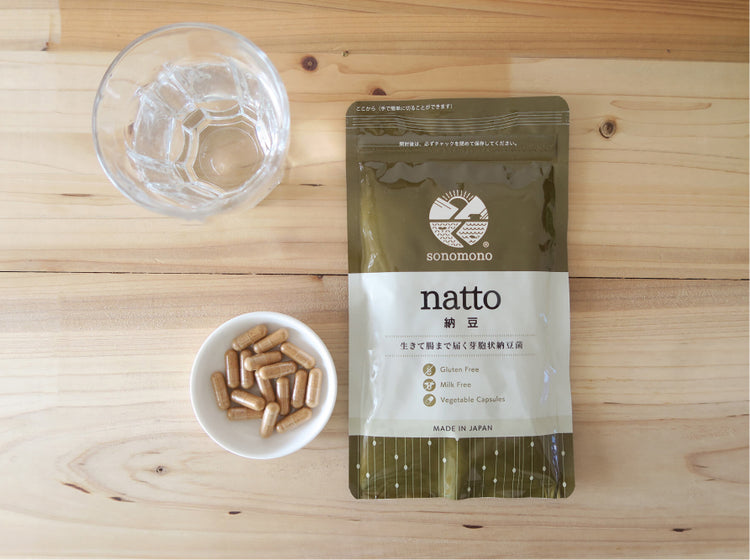
Traditional fermented foods like natto for bone health are natural sources of vitamin K2 and may support long-term bone strength.
Magnesium
Magnesium helps maintain bone structure and supports vitamin D activation. It’s found in leafy greens, nuts, seeds, and whole grains.
Protein
Protein is essential for preserving muscle mass, which protects bones and reduces fall risk. Adequate protein intake also supports bone remodeling and strength as you age.
Lifestyle Factors That Matter
Nutrition is only part of the equation. Weight-bearing exercises such as walking, strength training, and resistance workouts stimulate bone formation. Regular sunlight exposure helps maintain vitamin D levels. Eating enough protein daily supports both muscle and bone tissue. Gut health also plays a role, as nutrient absorption directly affects how well your body uses calcium and other minerals. Chronic stress can affect nutrient absorption, and understanding how modern life disrupts gut health may help you better support your bones. Small lifestyle adjustments can make a significant difference in maintaining bone health after 40.
Common Mistakes After 40
-
Taking calcium supplements alone without vitamin D, K2, or magnesium
-
Ignoring vitamin D deficiency, especially in winter months
-
Not eating enough protein, which weakens both bones and muscles
-
Living a sedentary lifestyle without weight-bearing movement
FAQs
Is calcium alone enough after 40?
No. While calcium is important, it works best when combined with vitamin D, vitamin K2, magnesium, and adequate protein intake.
What is the best vitamin for strong bones?
Vitamin D is essential for calcium absorption, and vitamin K2 helps guide calcium into bones. Both play important roles in maintaining strong bones.
Does vitamin K2 help bone density?
Yes. Vitamin K2 supports proper calcium utilisation, which may help maintain healthy bone density over time.
How can I prevent osteoporosis naturally?
Osteoporosis prevention involves strength training, adequate protein intake, maintaining healthy vitamin D levels, and ensuring a balanced intake of key nutrients that support bone health after 40.