How Vitamin K2 and Probiotics Work Together for Stronger Bones
Vitamin K2 and probiotics are increasingly discussed in relation to bone health and nutrient absorption. This guide explores the gut–bone connection, explaining how calcium regulation, microbiome balance, and long-term dietary habits may work together to support skeletal health.

Bone health is influenced by more than calcium alone. Nutrient absorption, gut function, and dietary patterns all play a role in how bones are supported over time. This is why the relationship between Vitamin K2 and probiotics is increasingly discussed in conversations about long-term skeletal health.
Understanding how these elements interact helps explain the growing interest in the gut–bone connection.
Why Nutrient Absorption Matters for Bone Health
Bones are living tissue that continuously remodels throughout life. For this process to function efficiently, the body must absorb and use nutrients effectively. This includes minerals such as calcium, as well as supportive nutrients that help guide where those minerals are utilised.
When digestion and absorption are compromised, nutrient availability may also be affected, which is why gut health is often considered alongside bone health.
What Vitamin K2 Is and Its Role in Bone Support
Vitamin K2 is a nutrient involved in calcium regulation within the body. Rather than increasing calcium intake, its role is often described as helping direct calcium toward bones and away from areas where it is not needed.
Because of this function, Vitamin K2 benefits are frequently discussed in the context of bone structure, mineral balance, and healthy aging. Interest in the advantages of Vitamin K2 has grown as research continues to explore how nutrient interactions influence skeletal health.
The Role of Probiotics in Gut Microbiome Balance
Probiotics refer to beneficial microbes that support the balance of the gut microbiome. This microbial environment plays an important role in digestion, nutrient breakdown, and overall metabolic processes.
A balanced microbiome may support how efficiently nutrients are processed, including those relevant to bone health. This is one reason probiotics for bone health are being explored in gut-focused research.
Understanding the Gut–Bone Connection
The gut–bone connection describes how digestive health and microbial activity may influence nutrient availability related to bone support. Since the gut is where many nutrients are absorbed, microbiome balance can indirectly shape how those nutrients are utilised.
This connection highlights that bone health is not only about what nutrients are consumed, but also how the body processes them.
How Probiotics May Influence Nutrient Absorption
Probiotics may support digestive processes that influence nutrient availability. This includes helping break down food components, supporting gut barrier function, and contributing to microbial diversity.
These factors can affect how nutrients linked to bone health are absorbed and used over time. While this area continues to be studied, it helps explain why gut microbiome support is often included in broader bone health discussions.
Why Vitamin K2 and Probiotics Are Discussed Together
Vitamin K2 and probiotics are frequently mentioned together because they represent two connected aspects of bone support. Vitamin K2 relates to calcium utilisation, while probiotics relate to the digestive environment where nutrient processing occurs.
Together, they reflect a more integrated view of health that considers both nutrient function and gut ecosystem balance.
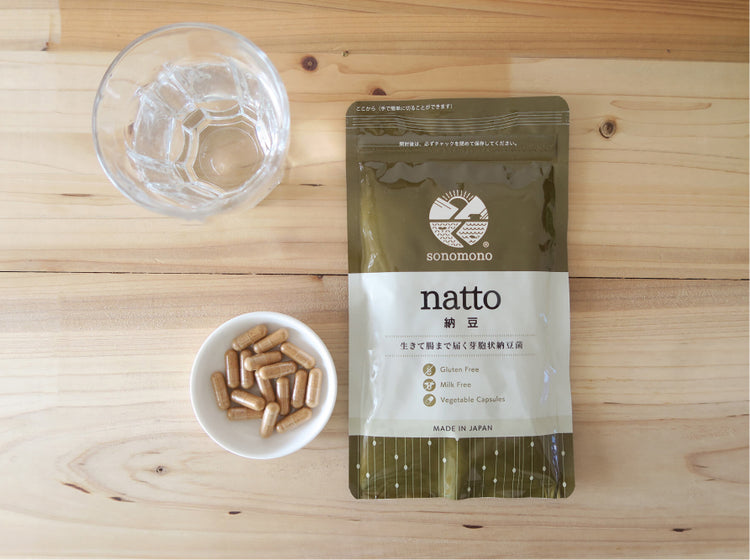
Natto is often highlighted within this conversation. This traditional fermented soybean food is associated with Vitamin K2 due to its fermentation process, and also provides beneficial microbes created during fermentation. This combination makes it a commonly referenced example when discussing fermented foods and bone health.
Practical Ways to Support Bone Health Through Diet
Supporting bone health through a gut-aware approach can include:
-
Eating a varied, nutrient-dense diet
-
Supporting dietary diversity to encourage microbial balance
-
Pairing mineral-rich foods with supportive nutrients
-
Focusing on consistent long-term habits rather than short-term changes
These patterns align with broader strategies for healthy aging and sustainable wellness.
A Long-Term Perspective on Bone Health
Interest in Vitamin K2 benefits and probiotics reflects a shift toward more connected health thinking. Bone health is increasingly understood as part of a wider system that includes digestion, nutrient absorption, and lifestyle patterns.
Rather than focusing on single nutrients in isolation, long-term support often involves dietary diversity, gut microbiome balance, and consistent habits. Over time, this integrated approach may help create conditions that support stronger bones and overall well-being.
FAQs
1. What is the advantage of Vitamin K2 for bone health?
Vitamin K2 is commonly discussed for its role in calcium regulation, helping guide calcium toward bones as part of normal mineral utilisation processes linked to skeletal health.
2. Can probiotics support bone health indirectly?
Probiotics may support digestion and nutrient absorption, which can influence how nutrients relevant to bone health are processed and utilised over time.
3. Which foods contain both Vitamin K2 and probiotics?
Some fermented foods are associated with both beneficial microbes and nutrients linked to bone health. Natto is one commonly referenced example due to its fermentation process and nutrient profile.