What Is Natto? Japan's Ancient Superfood Explained
Japanese natto has been part of traditional Japanese diets for centuries. Learn what makes this fermented soybean food so unique, why it's often called a superfood, and why it continues to attract interest in Japanese wellness and healthy ageing.
If you've looked into health or wondered why people in Japan live so long you might have heard of natto. For people outside Japan natto is still a mystery. In Japan this traditional food has been around for centuries.
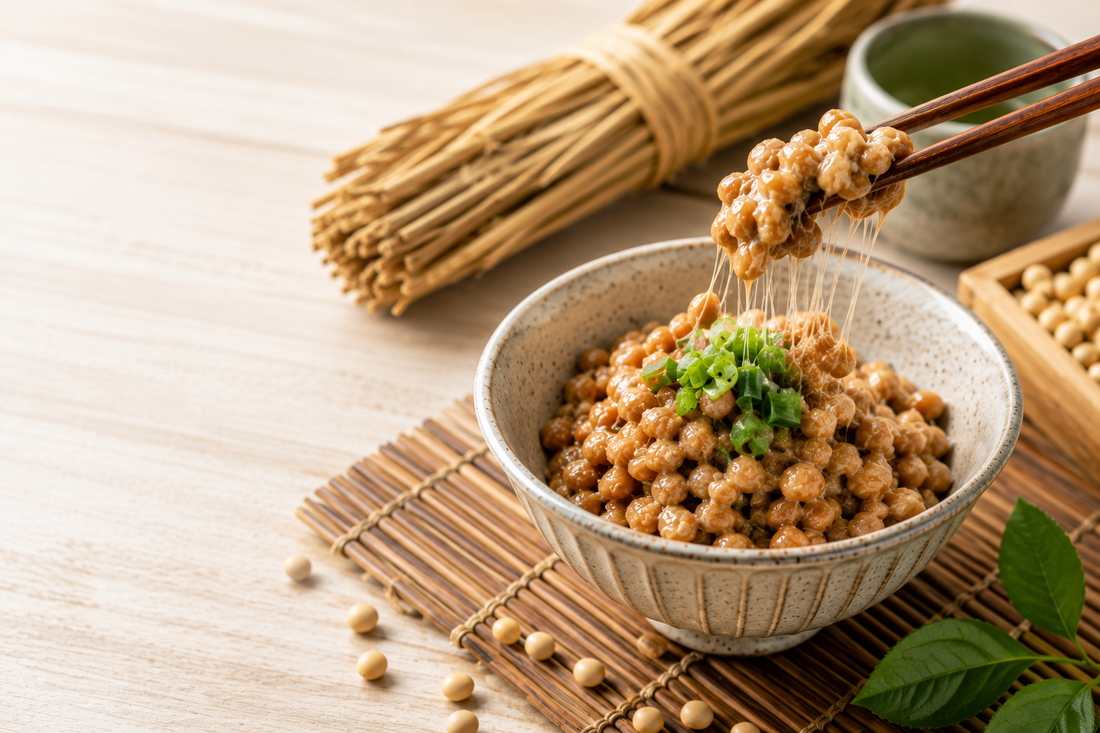
Natto is made from fermented soybeans. It has a texture and strong smell that might surprise you if you try it for the first time.Its long history and good nutrition explain why it's still popular.
What exactly is Japanese Natto?
Japanese natto is made by fermenting soybeans using a beneficial bacterium called Bacillus subtilis. This process turns soybeans into a food with a unique texture, taste and nutrition.
In Japan, people often eat natto for breakfast with rice, soup and vegetables. For families it's just a normal part of eating, not a special health food.
Even though natto looks strange, many people who try it come to like its taste and cultural importance.
Why Is Natto Considered a Superfood?
The term “superfood” is often used a lot, but natto really has a lot of good nutrients.
Some of the things in natto are:
-
Plant-based protein
-
Dietary fibre
-
Vitamin K2
-
Iron and magnesium
-
Naturally occurring compounds created during fermentation
Unlike many highly processed foods, natto remains a simple, traditional food that combines the nutritional value of soybeans with the benefits of fermentation.
The Connection Between Natto and Japanese Wellness
One reason Japanese natto receives so much attention is its association with Japanese wellness and healthy ageing.
However, what I found most interesting while researching natto was that people in Japan don't usually rely on a single food for health. Instead, natto is often consumed as part of a broader lifestyle that includes:
-
Regular physical activity
-
Balanced meals
-
Social connection
-
Good sleep habits
-
Long-term consistency
This approach might explain why Japanese people live long.
What Are the Benefits of Fermented Foods?
Interest in fermented foods has grown significantly in recent years. Foods like yogurt, kimchi, miso, sauerkraut, and natto have become increasingly popular among people looking to diversify their diets.
The fermentation process creates compounds and changes the nutrition in foods. This is why fermented soybeans and other traditional fermented foods are still studied and discussed.
For people adding fermented foods to their diet is just another way to support a healthy lifestyle.
Why Are People Interested in Nattokinase?
As interest in natto has increased globally, so has curiosity about nattokinase, an enzyme produced during the fermentation process.
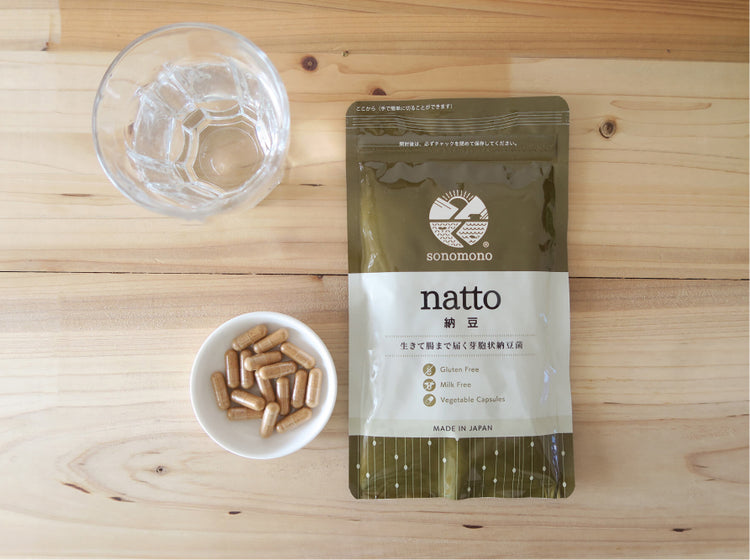
Many people interested in traditional Japanese nutrition explore products containing nattokinase, and some compare different options when researching the best nattokinase supplements available. For those who don't enjoy the taste or texture of natto itself, supplements can sometimes provide a more convenient alternative.
What Customers Say
One Sonomono customer shared:
"The capsules are small and easy to swallow. The smell is not noticeable at all, which is great. Eating natto every day is difficult, but these capsules fit easily into my routine. I've been happy to continue taking them."
This review shows something important: long-term healthy habits are often easier to keep when they fit naturally into everyday life.
FAQ:
1. What is Japanese natto?
Japanese natto is a traditional Japanese food made from fermented soybeans. It has been eaten in Japan for many generations.
2. Why is natto considered a superfood?
Natto is often called a superfood because it contains protein, fibre, vitamins, minerals, and nutrients produced during fermentation.
3. What are the nutritional benefits of natto?
Natto contains protein, fibre, Vitamin K2, iron, magnesium, and other nutrients that support a balanced diet.
4. Why do Japanese people eat natto regularly?
Many Japanese people eat natto because it has been part of their traditional diet for a long time and is easy to include in everyday meals.
5. Is natto associated with healthy ageing?
Yes. Japanese natto is often discussed alongside healthy ageing and Japanese wellness, although overall lifestyle habits also play an important role.