Fermented Foods vs Probiotic Supplements: Which Is Better?
Fermented foods and probiotic supplements both support gut microbiome health, but they work in different ways. This guide explains the key differences, benefits, and practical uses of each approach to help you choose a balanced, sustainable strategy for long-term digestive support.

Interest in probiotics for gut health has grown significantly in recent years. As awareness of the gut microbiome increases, many people begin exploring two main options: fermented foods and probiotic supplements. Both aim to support beneficial bacteria, but they work in slightly different ways.
Understanding how each approach contributes to gut microbiome support can help you choose a strategy that fits your lifestyle and long-term health goals.
What Are Fermented Foods?
Fermented foods are whole foods that have undergone a natural fermentation process, where beneficial microbes break down sugars and create bioactive compounds. This process can introduce live bacteria, enzymes, and nutrients that support digestion.
Common examples include yogurt, kefir, kimchi, sauerkraut, miso, and natto. These foods are often considered natural probiotics because they provide microbial exposure alongside fibre, vitamins, and other supportive nutrients.
Unlike isolated probiotic strains, fermented foods deliver a complex nutritional environment that may help support microbial diversity over time.
What Are Probiotic Supplements?
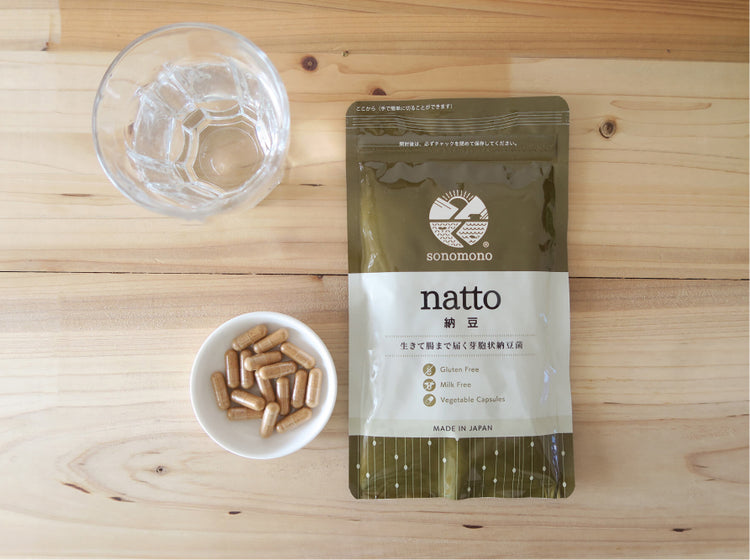
Probiotic supplements typically contain selected strains of beneficial bacteria in capsule, powder, or liquid form. They are designed to deliver targeted microbial support in a convenient and measurable way.
Many supplements focus on specific strains studied for particular digestive functions. This targeted approach can make supplements useful in situations where consistency, dosage clarity, or travel convenience matters.
For people new to gut health, supplements may feel easier to introduce because they require minimal dietary change.
Key Differences Between Whole-Food and Supplement Probiotics
The main difference lies in complexity and context.
Fermented foods provide microbes within a food matrix that includes fibre, enzymes, and nutrients that may help bacteria interact with the gut environment. Supplements, in contrast, provide isolated strains without the broader nutritional ecosystem.
Fermented foods tend to support gradual, long-term microbiome diversity, while supplements often focus on delivering specific strains in defined amounts.
This does not mean one approach is universally better, but rather that they serve different roles.
Benefits of Fermented Foods for Long-Term Gut Support
Regular consumption of fermented foods may support:
-
Microbial diversity
-
Digestive comfort
-
Adaptation to dietary fibre
-
Enzyme exposure that supports food breakdown
-
A food-first approach to natural probiotics
These factors contribute to why fermented foods' benefits are often discussed in the context of sustainable gut health rather than short-term change.
Among fermented foods, natto is frequently highlighted for its unique fermentation process. This traditional fermented soybean food provides beneficial bacteria along with enzymes created during fermentation. Its nutrient profile also includes compounds often associated with both gut microbiome support and broader healthy aging discussions.
When Probiotic Supplements May Be Useful
Probiotic supplements can be helpful in specific situations, such as:
-
When dietary variety is limited
-
During travel or routine disruption
-
When consistency of intake is important
-
For individuals who struggle to regularly consume fermented foods
They can act as a practical entry point into probiotics for gut health, particularly for those building new habits gradually.
Limitations of Relying Only on Supplements
Supplements provide selected strains but may not replicate the diversity, nutrients, and food-based context that fermented foods offer. Long-term gut health is influenced by overall diet, lifestyle, fibre intake, and microbial exposure from multiple sources.
Relying solely on supplements may overlook these broader factors that shape the gut ecosystem.
A Balanced Approach Combining Both
Rather than choosing one over the other, many people benefit from combining both approaches. Fermented foods can form the foundation of natural probiotics, while supplements may provide targeted or convenient support when needed.
Practical ways to combine them include:
-
Introducing small servings of fermented foods regularly
-
Rotating different natural probiotic foods
-
Using supplements during periods of routine change
-
Supporting probiotics with fibre-rich meals
This balanced approach reflects how the gut microbiome responds to consistency, diversity, and daily habits.
A Sustainable Perspective on Gut Health
The conversation around the best probiotics for gut health is shifting toward long-term patterns rather than quick solutions. Fermented foods and probiotic supplements each play a role, but neither replaces the importance of overall dietary diversity and lifestyle support.
Small, consistent changes often shape how the gut adapts over time. Focusing on natural probiotics alongside practical tools like supplements can create a more flexible and sustainable path toward gut microbiome support.
In the long run, supporting gut health is less about choosing a single solution and more about building daily habits that allow the microbiome to function effectively.
FAQs
1. Are fermented foods better than probiotic supplements for gut health?
Fermented foods and probiotic supplements serve different purposes. Fermented foods provide a wider range of nutrients, enzymes, and microbes that may support long-term gut microbiome diversity, while supplements offer targeted strains in a convenient format. Many people benefit from using both depending on lifestyle and needs.
2. Which fermented foods are best for beginners?
Beginner-friendly fermented foods often include yogurt, kefir, sauerkraut, kimchi, and miso. Starting with small portions and choosing foods that fit your usual meals can make it easier to build a consistent routine.
3.Can fermented foods cause temporary bloating at first?
Yes, some people may notice mild bloating when introducing fermented foods, especially if intake increases quickly. Starting with small servings and increasing gradually can help the gut adjust