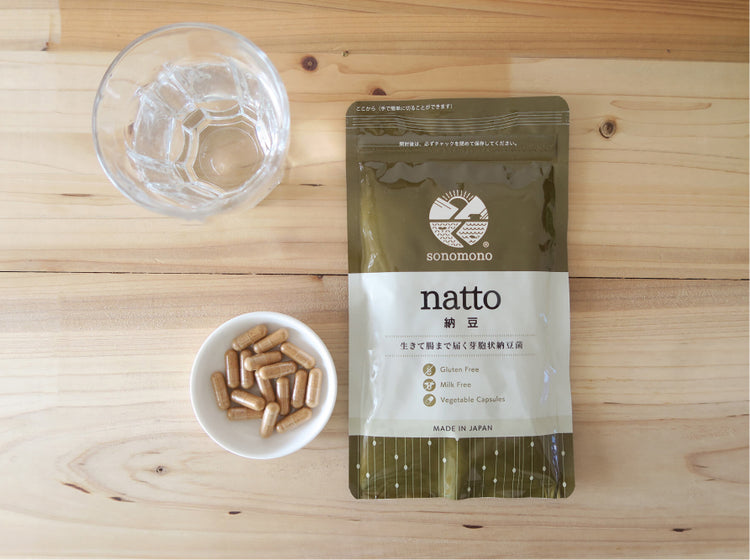
The Problem With Most Probiotic Supplements and Why Natto Is Different
Probiotic supplements are a convenient way to support gut microbiome balance, but they are only one part of long-term digestive health. This article explores how supplements compare to fermented foods, including natto, and why a food-first approach may offer broader support for sustainable gut health.
Interest in probiotics for gut health has increased as awareness of the gut microbiome continues to grow. Many people turn to probiotic supplements as a convenient way to support digestion, microbial balance, and overall well-being. While supplements can play a role, they are only one approach within a much broader picture of gut health.
Understanding how probiotic supplements differ from fermented foods helps explain why food-based probiotics are increasingly discussed.
What Probiotic Supplements Are
Probiotic supplements typically contain selected strains of beneficial bacteria delivered in capsules, powders, or liquids. They are designed to introduce specific microbes into the digestive system in a convenient and measurable format.
This targeted approach is one reason supplements became popular. They offer structure, portability, and a clear dosage, making them appealing for people looking for simple ways to support gut microbiome balance.
Why Probiotic Supplements Became Popular
Modern lifestyles often involve lower dietary diversity, higher intake of processed foods, and disrupted routines. As a result, supplements are frequently seen as a practical solution to support gut health without requiring significant dietary changes.
Marketing, increased research visibility, and growing awareness of the microbiome have also contributed to the rapid adoption of probiotic supplements.
Common Challenges With Probiotic Supplements
Although supplements can be useful, they have limitations that are increasingly discussed in gut health research.
Some of these include:
-
Strain specificity, meaning benefits depend on the exact strains used.
-
Survivability, as not all microbes reach the gut environment effectively
-
Lack of a food matrix that supports microbial interaction
-
Variability in individual response
These factors do not make supplements ineffective, but they highlight why results may differ from person to person.
Isolated Probiotics vs Food-Based Fermentation
A key difference between supplements and fermented foods lies in context. Supplements provide isolated strains, while fermented foods deliver microbes within a whole-food environment that includes fibre, enzymes, and nutrients.
This food matrix may influence how microbes interact with the digestive system. Because of this, fermented foods' benefits are often discussed in relation to long-term microbiome diversity rather than short-term changes.
Benefits of Fermented Foods for Gut Support
Fermented foods are widely considered among the best foods for gut health because they contribute to dietary diversity and natural probiotics.
Regular intake may support:
-
Microbial diversity
-
Digestive comfort
-
Enzyme exposure from fermentation
-
Gradual adaptation to fibre
-
A food-first approach to natural probiotics
These characteristics help explain why fermented foods are frequently included in sustainable gut health strategies.
What Makes Natto Different
Natto is often highlighted as a unique example of fermented foods created through traditional fermentation. This fermented soybean food provides beneficial microbes alongside compounds produced during the fermentation process.
What makes natto different is the combination of its food matrix, fermentation method, and enzymes formed during fermentation. Rather than delivering isolated strains, it represents a whole-food approach to gut microbiome support.
For this reason, natto benefits are often discussed within broader conversations about natural probiotics and dietary patterns.
When Supplements May Still Be Useful
Probiotic supplements can be helpful in specific situations, such as:
-
During travel or routine disruption
-
When dietary variety is limited
-
When consistency of intake is difficult through food alone
-
As a short-term support alongside dietary changes
In these contexts, supplements may complement a food-based approach rather than replace it.
Combining Supplements and Fermented Foods
A balanced strategy often involves both approaches. Fermented foods can form the foundation of natural probiotics, while supplements may provide targeted or convenient support when needed.
Practical ways to combine them include introducing fermented foods gradually, rotating different natural probiotic foods, and supporting probiotics with fibre-rich meals.
A Long-Term Perspective on Gut Health
The discussion around probiotics for gut health is shifting toward sustainability and dietary patterns. Supplements offer convenience, but long-term gut microbiome support is strongly influenced by what is eaten daily.
Food-based fermentation highlights the importance of diversity, consistency, and whole-food context. Over time, combining practical tools with dietary habits may create a more resilient approach to gut health.
FAQs
1. Are probiotic supplements enough for gut health?
Probiotic supplements can support gut microbiome balance, but long-term gut health is influenced by overall diet, fibre intake, and microbial diversity from whole foods.
2. Why are fermented foods considered natural probiotics?
Fermented foods contain beneficial microbes created during fermentation along with nutrients and enzymes that form part of a whole-food environment for gut support.
3. What makes natto different from probiotic supplements?
Natto provides microbes within a fermented food matrix rather than isolated strains, which is why it is often discussed as a food-based approach to natural probiotics.