Why You're Always Bloated and the One Natural Fix Most People Miss
Persistent bloating may signal gut imbalance rather than simple food intolerance. Learn how supporting the gut microbiome, especially through fermented foods, can help improve digestion and reduce discomfort.

Bloating is a common digestive complaint. It can feel like stomach tightness, pressure, or swelling. Occasional bloating is normal, but if it persists, it could signal a deeper gut issue.
Connecting bloating and gut health is key to lasting relief over quick fixes.
What Bloating Actually Is and Why It Happens
Bloating usually occurs when gas builds up in the digestive system or when digestion slows down. This can happen for many reasons, including how food is broken down, how gut bacteria interact with that food, and how efficiently the digestive system moves.
In many cases, bloating is not about a single food intolerance. Instead, it reflects overall digestive balance, especially the state of the gut microbiome.
Common Causes of Frequent Bloating
Persistent bloating is often linked to everyday lifestyle patterns rather than one obvious trigger. Some of the most common contributors include:
-
Gut microbiome imbalance
-
Low dietary diversity
-
Diets high in ultra-processed foods
-
Eating quickly or under stress
-
Low fibre intake followed by sudden increases
-
Reduced digestive enzyme activity
When microbial diversity is low, certain foods ferment differently in the gut. This can increase gas production and make the stomach feel uncomfortable even after normal meals.
Why Quick Fixes Often Do Not Work
Many people respond to bloating by removing foods, using short-term remedies, or searching for a single problem ingredient. While this can provide temporary relief, it often does not address the root cause.
Bloating frequently reflects how the gut ecosystem functions, not just what you eat, but how your gut processes it.
This is why approaches focused only on restriction may overlook an important solution, supporting the microbiome itself.
The Overlooked Natural Fix Supporting the Gut Microbiome
One of the most effective natural bloating remedies is improving gut microbiome support through fermented foods.
Fermented foods contain beneficial microbes, enzymes, and bioactive compounds that can support digestion. Rather than simply reducing symptoms, they help improve how food is processed in the digestive tract.
Over time, this may support better microbial diversity, a key factor in reducing excessive gas formation and improving overall gut comfort.
How Fermented Foods Help Reduce Bloating
Regular intake of fermented foods can support:
-
More balanced microbial activity
-
Improved digestion of complex carbohydrates
-
Better enzyme availability
-
Gradual adaptation of the gut to fibre
-
More efficient breakdown of nutrients
These changes may help explain why people often notice less bloating when fermented foods become part of their routine.
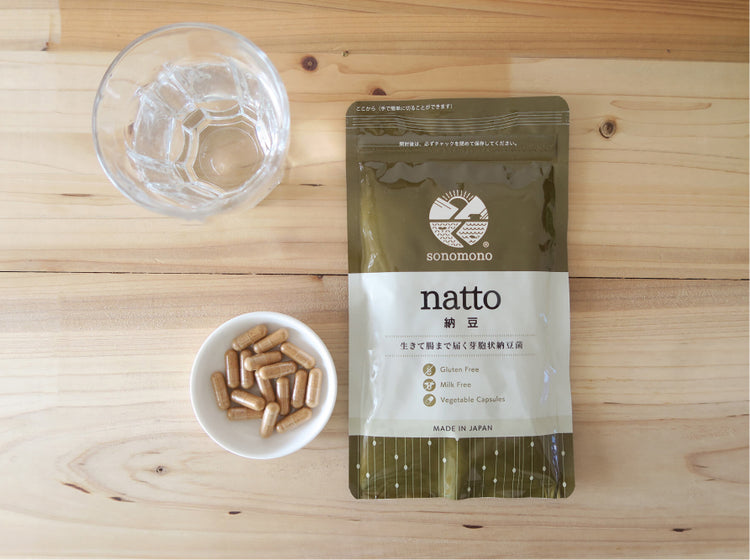
Among fermented foods, natto stands out as particularly unique. This traditional fermented soybean food provides beneficial bacteria along with enzymes created during fermentation. It is also known for its nutrient profile, including compounds linked to both gut and bone health, an area increasingly explored in longevity research.
Practical Ways to Add Fermented Foods Daily
Starting slowly is important. The goal is consistency rather than large portions.
Simple ways to begin include:
-
Adding a small serving of fermented foods alongside meals
-
Rotating different fermented foods across the week
-
Pairing fermented foods with fibre-rich meals
-
Introducing new foods gradually to allow gut adaptation
-
Prioritizing whole-food sources over heavily processed options
A steady approach helps the microbiome adjust, which may reduce the likelihood of temporary digestive discomfort.
A More Sustainable Way to Improve Gut Health
Persistent bloating often reflects the broader relationship between diet, lifestyle, and the gut microbiome. Instead of focusing only on removing foods, supporting microbial diversity offers a more sustainable direction.
Small, consistent dietary shifts, especially including fermented foods, can play a meaningful role in how digestion feels day to day.
Over time, improving gut health is less about quick fixes and more about creating conditions where the digestive system functions smoothly. Gentle, routine support tends to be where lasting change begins.